2026 Best Aluminum Casement Window Suppliers?
Choosing the 2026 best Aluminum Casement Window suppliers requires more than comparing catalogs, prices, or polished showroom photos. A reliable shortlist must connect laboratory performance with actual installation conditions. The International Energy Agency’s Buildings 2024 report identifies buildings as responsible for about 30% of global final energy consumption. That figure gives window selection practical weight, not just architectural appeal.
The U.S. Department of Energy reports that windows can account for 25% to 30% of residential heating and cooling energy use. Therefore, this guide examines suppliers through U-factor, solar heat gain coefficient, air leakage, water resistance, frame design, hardware quality, and warranty support. NFRC ratings and AAMA or FGIA testing provide useful reference points. Still, ratings do not guarantee a perfect installation. Poor flashing, uneven openings, or careless sealing can undermine an excellent product.
Building scientist Joseph Lstiburek offers a memorable warning: “Windows are holes in walls.” His statement sounds blunt, but it remains useful. Every opening must manage heat, rain, wind, noise, and daily operation. The strongest suppliers explain these risks clearly and provide documented solutions. Some comparisons may overemphasize thermal numbers. I think that is a weakness worth acknowledging. Coastal homes, cold-climate projects, and high-rise apartments need different priorities.
This 2026 supplier overview considers manufacturing consistency, customization, certifications, delivery capability, technical guidance, and after-sales service. The best choice may not be the cheapest quote. It should be the supplier whose Aluminum Casement Window system performs predictably in your climate, building design, and installation conditions.
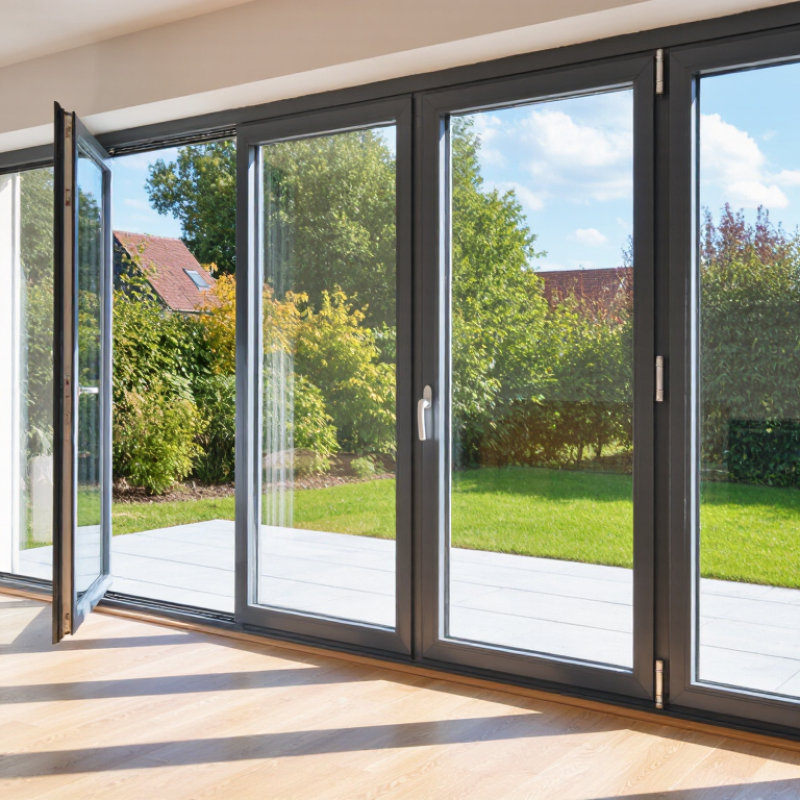
What Are Aluminum Casement Windows?
Aluminum casement windows are side-hinged windows that open outward with a crank or handle. Their sash moves like a narrow door. This design creates a clear opening for ventilation and wider outdoor views. When closed, the sash presses against a continuous weather seal, rather than sliding across it.
The frame uses extruded aluminum, a strong metal shaped through controlled pressure. It resists warping, insects, and moisture damage. Slim profiles also allow more glass and daylight. However, untreated aluminum transfers heat quickly. A thermal break, usually made from insulating polyamide, separates the inner and outer frame surfaces. This detail matters in hot and cold climates. Poor installation can still create drafts.
Performance deserves careful checking. The U.S. Department of Energy explains that windows may cause 25–30% of household heating and cooling energy use. The International Energy Agency’s Buildings 2023 report also identifies buildings as responsible for about 30% of global final energy consumption. These figures do not make every aluminum window inefficient. Low-emissivity glazing, insulated frames, and correct sealing can improve results. NFRC ratings help compare U-factor, solar heat gain, and air leakage. The word “best” remains imperfect. A coastal home, a high-rise apartment, and a cold rural house need different specifications. Ask for verified test reports, installation details, and warranty terms. Fancy hardware cannot repair a weak frame joint.
How to Evaluate Aluminum Casement Window Suppliers in 2026
How to Evaluate Aluminum Casement Window Suppliers in 2026
Choosing an aluminum casement window supplier requires more than comparing catalog prices. The U.S. Department of Energy reports that windows can cause 25–30% of residential heating and cooling energy use. Ask suppliers for tested U-values, solar heat gain coefficients, air leakage, and water penetration results. These figures should come from recognized laboratories, not informal factory claims.
Look closely at thermal breaks. A strong profile should include continuous polyamide insulation, accurate corner joints, and drainage paths that remain clear after installation. Request sample sections, coating specifications, and salt-spray test results. The 2024 Global Status Report for Buildings and Construction found that buildings consumed about 32% of global energy in 2023. Better window performance is not a minor detail.
Check the supplier’s real production habits. Visit the factory, inspect crimping equipment, and review quality records from recent projects. Ask how rejected frames are traced and repaired. Small details matter. Also compare warranty wording, replacement procedures, delivery capacity, and installation support. A low quotation may hide weak packaging or inconsistent hardware. I would still allow room for doubt: laboratory performance may change on a poorly leveled opening. Evaluate the complete system, not only the aluminum frame.
Which Features Define a High-Quality Aluminum Casement Window?
A high-quality aluminum casement window starts with thermal control, not shiny metal. Aluminum conducts heat quickly, so a continuous thermal break is essential. It separates the interior and exterior frames, reducing cold edges and condensation risks. The U.S. Department of Energy reports that windows can cause 25–30% of household heating and cooling energy use. Small frame details matter.
Check the NFRC label for U-factor and solar heat gain coefficient. Lower U-factor usually means better insulation. SHGC should match the local climate and window orientation. Strong casement hardware must pull the sash tightly against durable seals. Look for tested air leakage, water resistance, and structural performance under AAMA or FGIA procedures. Drainage channels should guide rainwater away, even after years of use. A beautiful finish is not enough.
Tips: Ask suppliers for full test reports, not only performance claims. Inspect a sample corner for thermal breaks, gasket joints, and drainage paths. Multi-point locks improve compression, but weak hinges can still cause sagging. I have seen impressive samples fail because installation tolerances were ignored. That part is easy to underestimate. Also check the coating standard, glass spacer type, warranty limits, and replacement hardware availability. Regional installers can reveal practical problems that laboratory data cannot.
2026 Best Aluminum Casement Window Suppliers: Features of a High-Quality Window
This standards-aligned quality index highlights the features buyers should compare when evaluating aluminum casement windows. The scores are benchmark priorities, not supplier or brand ratings.
Thermal performance, airtightness, water resistance, durable hardware, corrosion-resistant finishes, and safe glazing are key indicators of long-term window quality. Actual requirements may vary by climate, building code, and project specification.
How to Compare Supplier Products, Prices, and Certifications
Choosing the best aluminum casement window supplier in 2026 requires more than comparing catalog prices. Start with the product specification. Check the frame’s thermal-break design, wall thickness, glass configuration, drainage system, and hardware cycle testing. The U.S. Department of Energy estimates that windows can cause 25–30% of residential heating and cooling energy use. Therefore, a lower purchase price may create higher operating costs.
Use independent performance evidence. NFRC certification helps verify U-factor, solar heat gain coefficient, visible transmittance, and air leakage ratings. Ask suppliers for current NFRC records, laboratory test reports, and installation instructions. For project quality, also examine compliance with applicable AAMA/FGIA performance standards and ISO 9001 manufacturing controls. Certification logos alone are not enough.
Compare prices using the same specification sheet. Include glass upgrades, color finishes, packaging, delivery, installation accessories, taxes, and replacement parts. A useful quotation should show these items separately. During supplier audits, I have seen attractive prices change after hardware and reinforced packaging were added. That mistake is easy to repeat. Request a sample corner, inspect gasket compression, and operate the sash at least twenty times. Review warranty exclusions, lead times, test dates, and after-sales response records. The International Energy Agency’s Global Status Report for Buildings and Construction shows that building efficiency remains a major energy priority, but energy performance depends heavily on correct installation. A strong supplier provides both verified products and practical installation support.
What Should Buyers Check Before Choosing a Supplier?
Choosing among the 2026 best aluminum casement window suppliers requires more than comparing prices. Buyers should verify the alloy grade, thermal-break design, hardware quality, and coating process. Ask for test reports covering air leakage, water resistance, wind pressure, and heat transfer. These documents should identify the testing laboratory and product configuration clearly.
Inspect a working sample, not only polished catalog images. Open and close the sash repeatedly. Check handle resistance, gasket compression, corner joints, and drainage holes. Confirm whether the supplier can match actual wall conditions, glass thickness, and local climate. Request installation drawings, maintenance guidance, warranty terms, and spare-parts availability. Lead-time promises also deserve written confirmation. Ask for proof.
Tips: Compare at least three suppliers using the same checklist. Visit a production site when possible, or request timestamped inspection videos. Contact recent customers about delivery accuracy and after-sales response. A low quotation may exclude screens, hardware upgrades, packaging, or installation support. Read every line.
Experienced buyers sometimes focus too heavily on thermal performance. That can be a mistake. A window with excellent laboratory results may perform poorly after incorrect installation. Check the supplier’s installer training and site-support process. Also question vague claims, unusually short warranties, and certificates without model numbers. No supplier is perfect. A careful review should expose weaknesses before they become expensive repairs.