
2026 Best Farm Tarps for Global Buyers

Choosing the right Farm Tarps in 2026 requires more than comparing price, color, and thickness. Global buyers face stronger weather swings, higher freight costs, and stricter expectations for product durability. The World Meteorological Organization reported that 2023 was the warmest year on record, increasing pressure on farms exposed to heat, heavy rain, and sudden storms. A tarp is not a complete climate solution. It is one practical layer of protection.

The Food and Agriculture Organization states that agriculture accounts for roughly 70% of global freshwater withdrawals. This makes moisture retention, crop covering, and storage protection increasingly important. Meanwhile, the FAO’s State of Food and Agriculture 2023 estimated that hidden costs in global agrifood systems exceeded USD 10 trillion in 2020. That figure encourages buyers to examine service life, waste, and replacement frequency, not only the purchase invoice.

Field experience shows that fabric weight alone can mislead. A heavy polyethylene sheet may still fail when weak eyelets, poor stitching, or ultraviolet exposure are ignored. Coastal farms need corrosion-resistant hardware. Dry regions may prioritize UV stability and dust resistance. Cold climates require flexible materials that do not crack easily.

Small details matter.

This guide evaluates Farm Tarps through material quality, waterproofing, tear strength, UV performance, fastening design, and total ownership cost. It also considers regional shipping realities and supplier transparency. No single tarp fits every farm. That is the uncomfortable part. Product claims still need testing, documentation, and honest comparison before a global buyer commits.
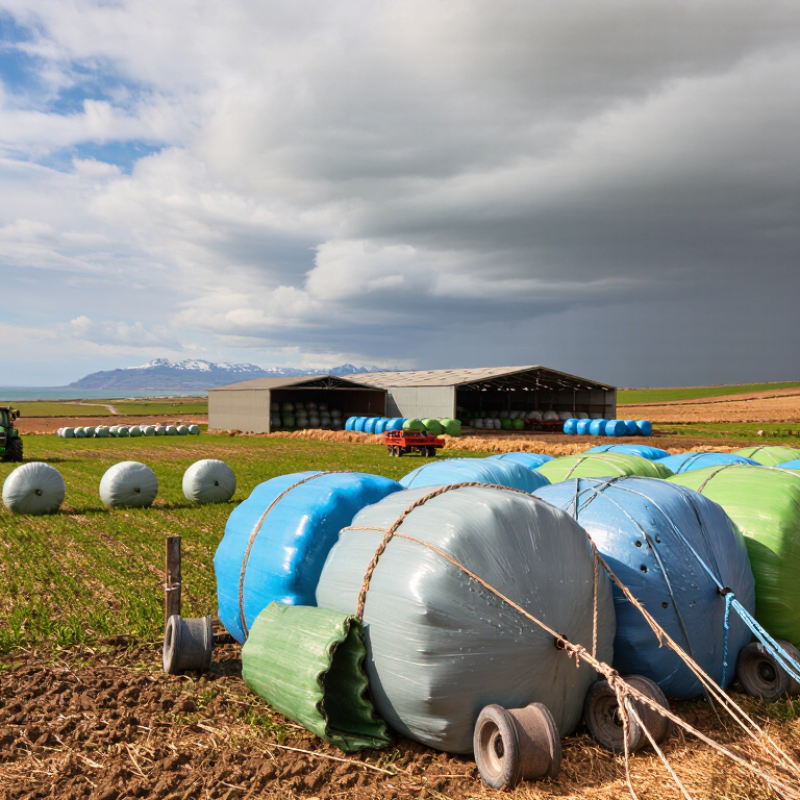
2026 Best Farm Tarps for Global Buyers

What Farm Tarps Are and Why They Matter in 2026

2026 Best Farm Tarps for Global Buyers

Farm tarps are heavy-duty covers used to protect crops, hay, soil, equipment, and temporary storage areas. They are usually made from woven polyethylene or coated fabric. Their value is practical: less moisture exposure, reduced sun damage, and cleaner handling during transport. A tarp is not a miracle. Poor tension can still let rain pool and tear the fabric.

The FAO’s The State of Food and Agriculture 2022 reports that 13.2% of global food is lost between harvest and retail. Better covering cannot solve every loss, but it can reduce avoidable exposure during short-term storage. This matters more as weather becomes less predictable. The WMO’s State of the Global Climate 2023 recorded 2023 as the warmest year in observed history, with unusual heat and rainfall affecting agricultural operations.

For global buyers, tarp selection should match the farm’s climate and workload. UV-stabilized fabric suits high-sun regions. Waterproof coatings help during monsoon periods, but ventilation remains important for hay and fresh produce. Check fabric weight, reinforced hems, rust-resistant eyelets, and repairability.

Wind is often underestimated. A strong tarp with weak tie-down points may fail first. Shade-colored material can lower surface heat, though performance varies by fabric construction. Buyers should request test data, dimensions, and chemical compliance documents before ordering. Country-specific import rules may also affect coated materials, packaging, and disposal. Small details matter here.


How to Compare Farm Tarp Materials, Strength, and Weather Resistance

2026 Best Farm Tarps for Global Buyers

How to Compare Farm Tarp Materials, Strength, and Weather Resistance

Material choice should follow the job, not the sales label. Woven polyethylene tarps are light, flexible, and practical for hay covers or temporary storage. PVC-coated polyester usually offers stronger abrasion resistance and longer service in repeated handling. A heavier fabric is not automatically better. Check fabric mass, denier, tear strength, and coating thickness together.

Weather exposure is becoming harder to predict. The World Meteorological Organization reported that 2023 was the warmest year on record, with serious rainfall and heat extremes in many regions. A farm tarp should therefore resist ultraviolet radiation, wind-driven rain, and temperature changes. Look for stated UV stabilization, hydrostatic pressure results, and reinforced hems. ASTM D751 provides recognized methods for testing coated fabrics, while ASTM D5034 helps assess textile breaking strength.

Small details matter.

Metal eyelets need reinforced patches, especially near corners. Seams should be welded or tightly stitched, with no visible gaps after stretching. For strong wind, compare tested tear resistance rather than relying on thickness alone. The FAO’s 2023 agrifood systems report shows how costly climate-related disruption can become, although tarp performance alone cannot prevent every loss. I would request laboratory reports, batch information, and a sample before ordering globally. Product sheets sometimes omit cold-weather flexibility. That omission deserves scrutiny.

Which Farm Tarp Types Fit Different Agricultural Applications

2026 Best Farm Tarps for Global Buyers

Which Farm Tarp Types Fit Different Agricultural Applications

Choosing a farm tarp starts with the job, not the lowest price. Woven polyethylene tarps suit machinery, firewood, fertilizer bags, and temporary hay storage. Their laminated surfaces resist rain, while reinforced hems reduce tearing around tie-down points. For exposed fields, buyers should check fabric weight, ultraviolet resistance, seam strength, and temperature range.

Silage covers require a different structure. Oxygen-blocking films help protect fermented forage from spoilage, especially when edges are sealed with weights. FAO research on food loss highlights the value of better storage practices across agricultural supply chains. A small puncture can still damage an entire covered stack. Inspect the surface after installation.

Crop protection needs more specialized materials. Breathable frost cloth protects seedlings without trapping excessive moisture, while shade cloth reduces heat and sunlight stress in nurseries. Netting-style tarps can also limit wind damage, but they are not suitable for heavy rain. FAO’s AQUASTAT data reports that agriculture accounts for roughly 70% of global freshwater withdrawals, making evaporation-control ground covers useful in water-stressed regions.

Ground tarps should block weeds, drain properly, and tolerate foot traffic. Hay tarps need strong UV protection and ventilation, because trapped condensation can reduce bale quality. Some buyers focus too heavily on thickness. That can be a mistake. In my field experience, correct application and anchoring often matter more than an extra millimeter of fabric. USDA Natural Resources Conservation Service guidance also emphasizes secure installation and site-specific material selection.waswo

2026 Best Farm Tarps for Global Buyers - Which Farm Tarp Types Fit Different Agricultural Applications
Farm tarp type Common material and construction Suitable agricultural applications Useful characteristics Selection considerations
Woven polyethylene (PE) tarp Woven PE fabric, often laminated on one or both sides; edges may be reinforced and fitted with grommets. Temporary coverage for hay, feed, equipment, firewood, and outdoor supplies. Lightweight and easy to handle. Laminated versions can shed rain, but seams and edges may still admit water if poorly secured or damaged. Check fabric weight, reinforcement, UV stabilization, and expected exposure. Secure it to limit wind movement and abrasion.
PVC-coated polyester tarp Polyester scrim coated with polyvinyl chloride (PVC), commonly with welded or reinforced seams. Repeated-use covers for machinery, storage areas, and supplies that need a robust rain barrier. Generally stronger and more abrasion-resistant than lightweight covers; the coated surface is designed to resist water. Compare weight, seam construction, flexibility in local temperatures, and handling requirements. Avoid trapping moisture around stored goods.
Silage or bunker cover film Agricultural polyethylene film; some systems use a separate oxygen-barrier film beneath an outer protective sheet. Covering silage in bunkers or piles to help limit air and water entry during storage. Purpose-made films support airtight storage when installed with suitable sealing and edge-weighting practices. Use film designed for silage rather than a general-purpose tarp. Follow the storage system’s installation guidance and promptly repair punctures.
Shade cloth Knitted or woven UV-stabilized high-density polyethylene (HDPE) mesh, commonly specified by its shade factor. Shade structures for nurseries, livestock areas, and crops that benefit from reduced solar exposure. Allows airflow and some light through; it is not a waterproof rain cover. Choose shade factor for the crop, climate, and structure. Consider ventilation, wind loading, and secure attachment.
Woven ground-cover fabric Usually woven polypropylene (PP) or PE fabric, made for landscape or crop-row use. Covering soil between crop rows, around nursery plants, or under container-grown crops to suppress weeds. Blocks light to inhibit many weeds while allowing water to pass through, depending on product construction. Confirm permeability and intended use. Anchor edges, manage drainage, and remove or replace material when it is torn or no longer effective.
Breathable mesh tarp Open-weave or knitted synthetic mesh, often made from PE or HDPE. Covering loads or materials where airflow is useful, or providing partial screening in farm settings. Reduces direct exposure while allowing air through; mesh construction usually provides less rain protection than solid laminated tarps. Select mesh openness for the required airflow and screening. Do not rely on it to keep stored goods dry.

Product performance varies with material construction, UV exposure, installation, weather, and maintenance. Match the cover to the intended use and local growing conditions.

How to Choose the Right Farm Tarp Size, Features, and Installation Method

Choosing a farm tarp starts with the load, not the catalog size. Measure the stack or equipment at its widest and longest points, then allow extra material for the sides and tie-downs. A hay stack needs enough coverage to shed rain without dragging across wet ground. For machinery, leave room around sharp corners, which can wear through fabric. Measure twice. It sounds obvious, but rushed estimates often leave one edge exposed.

Match the tarp’s construction to the weather and job. Woven polyethylene is a practical choice for many outdoor covers; check its stated weight, UV resistance, and reinforced edges. Solid tarps block rain, while breathable mesh can reduce wind pressure but will not keep contents dry. That trade-off matters. A heavier tarp is not automatically better if workers must handle it often or the structure cannot support wind loads. I would not rely on a product label alone; compare specifications and ask how they were tested.

Installation affects service life as much as fabric choice. Place the tarp with a slope so water can drain, and keep it clear of standing water. Use every available grommet or designed tie point, securing the cover evenly rather than pulling one corner tight. Check straps after the first windy day, then inspect for fraying or loose fittings. It is easy to miss a small tear early. That part takes attention. Don’t overtighten: movement can concentrate stress around the fasteners.

What Global Buyers Should Check Before Ordering Farm Tarps

Before ordering farm tarps, check the material against the job, not just the listed weight. A tarp covering hay needs reliable UV resistance and water shedding, while a ground cover may need stronger abrasion resistance. Ask for fabric weight, weave type, coating details, and test information. Numbers help, but they do not tell the whole story.

Inspect the construction details. Reinforced hems, evenly spaced grommets, and secure stitching can matter when wind pulls at a loaded tarp. Request a sample and check its edges, flexibility, and finish by hand. Small details matter. Confirm the finished dimensions, not only the cut size, and ask how products are folded and packed for shipment. Damaged packaging can leave fabric scuffed or wet before it reaches the farm.

Clarify expected exposure, temperature range, and intended service life with the supplier. Ask how UV performance and waterproofing are assessed, and whether specifications apply to the exact product being quoted. A heavier tarp is not always better; excess weight can make handling difficult. I still find it easy to focus on thickness and overlook seam quality. Compare samples under realistic conditions when possible, and keep the written specification with the purchase order.

Article Source:

Request Quote

Sign Up