
2026 Best Resin Insects for Global Wholesale Buyers?

Resin Insects are moving from novelty gifts into structured wholesale categories, including educational displays, home décor, jewelry components, and themed retail collections. For 2026 buyers, the strongest products will combine realistic detail with dependable production quality. Mold precision matters. So does consistency.

Market evidence supports this direction. Grand View Research identifies continued growth in the global epoxy resin market, driven by decorative, industrial, and consumer applications. Meanwhile, the International Trade Centre highlights e-commerce and cross-border product discovery as important forces for small and medium-sized exporters. These reports do not measure Resin Insects directly, but they reveal a useful commercial pattern: buyers increasingly expect attractive materials, repeatable supply, and transparent product information.

A practical wholesale review should examine resin clarity, bubble control, pigment stability, leg strength, edge finishing, and carton protection. A beetle with sharp wing lines can sell better than a larger piece with cloudy resin. Packaging also deserves attention, especially for long-distance shipments and humid warehouses. ASTM and ISO testing principles for plastics can guide durability and light-exposure checks, although small decorative products may require adapted procedures.

Compliance remains part of professional sourcing. Buyers should confirm that products use synthetic materials and do not contain protected wildlife parts. CITES guidance is relevant when merchandise includes real insects or biological specimens. Resin replicas usually follow a different compliance path, but documentation should never be assumed. That assumption can fail.

This guide compares practical designs, supplier evidence, pricing signals, and buyer risks. Some preferences will remain subjective. That is unavoidable. The best choice depends on destination markets, retail positioning, and how honestly suppliers describe quality.
2026 Best Resin Insects for Global Wholesale Buyers?

Resin Insects: Definition, Types, and Wholesale Market Overview

2026 Best Resin Insects for Global Wholesale Buyers?

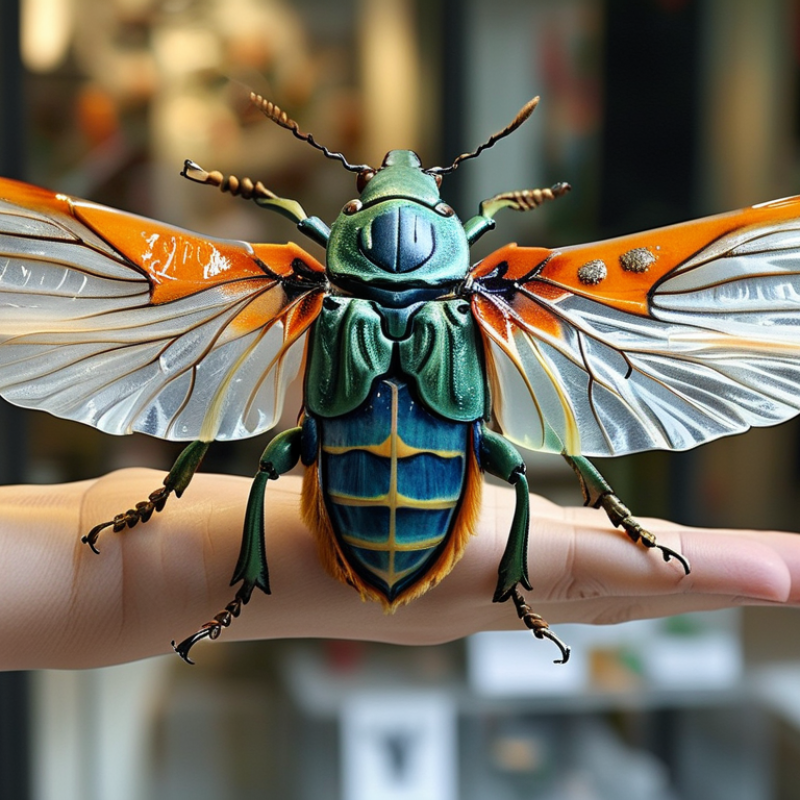
Resin insects are molded decorative or educational replicas made from epoxy, polyurethane, or polyester resin. They may imitate beetles, butterflies, dragonflies, cicadas, and other species. Common types include solid-cast models, translucent pieces, embedded displays, and small articulated figures. Each type serves a different wholesale channel. Gift shops often prefer bright translucent forms. Museums usually require accurate anatomy and safer display materials.

The global epoxy resin market reached about USD 12.1 billion in 2023, according to Grand View Research, with continued growth forecast through 2030. This wider market does not measure resin insects directly. That limitation matters. Trade databases also rarely classify these products separately, so buyers should avoid treating broad resin statistics as niche sales data. Material safety data sheets, cure records, and batch samples provide stronger evidence than attractive catalog claims.

For wholesale purchasing, evaluate mold sharpness, surface bubbles, color consistency, odor, packaging strength, and repeated production capacity. Ask for five to ten samples before approving a larger order. The best 2026 choices will likely combine realistic detail with low breakage during shipping. Smaller pieces reduce freight volume, but they may lose fine antennae or leg definition. Large displays attract attention, yet they need reinforced cartons and clearer damage policies. Prices should be compared by usable delivered cost, not factory quotation alone. Some suppliers still describe handmade variation as a defect-free standard. That deserves careful questioning.


How to Evaluate Resin Insect Quality for Global Wholesale

For global wholesale buyers, resin insect quality starts with visual inspection. Hold each piece under neutral light. Clear resin should reveal the insect without heavy yellowing, cloudy patches, or deep scratches. Small bubbles can be acceptable. Large bubbles near wings or legs weaken the display.

Check preservation details closely. Antennae, legs, wings, and body segments should remain complete and naturally positioned. Look for excess resin around the edges. It often suggests rushed molding. The surface should feel smooth, without sharp corners or sticky areas. Odor also matters. A strong chemical smell may indicate incomplete curing or poor storage.

I usually request samples before discussing large quantities. Measure several pieces, not just one. Size differences can affect packaging, retail consistency, and shipping costs. Ask for batch photos, material specifications, curing details, and lawful sourcing records where required.

Packaging deserves testing too. Drop-test a packed sample from a low height and inspect the insect afterward.

One inspection taught me to look twice. A clear front hid a cracked underside. I missed it initially. Buyers should also review color consistency across the batch. Natural insects are not perfectly identical, yet careless placement can look artificial. Request written quality tolerances, but leave room for reasonable variation. Strict standards help; unrealistic standards create disputes.

Top Resin Insect Categories for Different Buyer Markets in 2026

2026 Best Resin Insects for Global Wholesale Buyers?

Buyer markets are becoming more specific in 2026. Grand View Research valued the global epoxy resin market at about USD 10 billion in 2023. Its forecast also indicates steady growth through 2030. For wholesale insect products, that growth supports several practical categories. Educational buyers often prefer clear beetles, butterflies, and dragonflies with visible body structures. Museum shops usually need accurate replicas or legally sourced specimens. Home décor retailers may choose larger pieces with wood bases, dark backgrounds, and strong shelf appeal. Small insects work better for jewelry, craft kits, and compact gift stores. Market fit matters more than novelty.

Tourism retailers need lightweight products with secure packaging. UN Tourism reported approximately 1.4 billion international tourist arrivals in 2024, creating broad demand for local-looking souvenirs. However, souvenir buyers usually prefer affordable designs and simple labels. Premium galleries may accept higher prices for hand-finished wings, low bubbles, and consistent dimensions. Not every market wants realism. Some customers prefer colorful, stylized insects that feel less delicate.

Wholesale inspection should check resin clarity, UV resistance, edge finishing, and insect placement. Suppliers should provide sourcing records and avoid protected species. CITES documentation may be relevant for certain natural specimens, even when the item is sealed in resin. Packaging needs foam protection, barcode space, and humidity control. One weakness remains: many product photos hide bubbles and uneven wings. Buyers should request close-up samples before ordering. A beautiful catalog image is not quality evidence.

Materials, Craftsmanship, Safety, and Packaging Standards

2026 Best Resin Insects for Global Wholesale Buyers?

For global wholesale buyers, resin insect quality starts with material control. Clear, low-odor resin should cure evenly without sticky surfaces or yellow patches. Ask suppliers for resin specifications, safety data, and batch records. A reliable producer can explain curing temperature, mixing ratios, and pigment limits. Some samples look excellent under showroom lights but reveal bubbles near the wings. Inspect them in natural light.

Craftsmanship matters in small details. Antennae should be firmly embedded, not loosely attached. Wing edges need smooth finishing, while body patterns should remain sharp and consistent. Hand-painted pieces may show slight variation. That can add character, but uneven eyes or missing legs suggest weak inspection. I would request pre-production samples and compare them with approved standards. Do not trust photographs alone.

Safety and packaging require equal attention. Finished products should be fully cured, dry, and free from strong residual odor. Suppliers should provide relevant test documents for the destination market, including material safety and restricted-substance checks where applicable. Packaging should separate each insect with foam, molded pulp, or sealed sleeves. Small parts need clear handling information, especially when products may reach children. Drop testing is useful, though one test cannot represent every shipping route. Cartons should resist moisture, crushed corners, and temperature changes. A small labeling error can still delay a large shipment.

Wholesale Sourcing, Customization, Pricing, and Export Considerations

2026 Best Resin Insects for Global Wholesale Buyers?

Wholesale buyers should compare more than unit price. Grand View Research valued the global epoxy resin market at about USD 12.1 billion in 2023, with continued growth projected through 2030. This supports broader material availability, but resin quality still varies between suppliers. Request cured samples, hardness data, color references, and packaging tests. Beetles, butterflies, and dragonflies usually offer strong visual appeal. Synthetic replicas reduce sourcing concerns. Custom options may include scale, translucent wings, embedded textures, color matching, and retail-ready cartons. Pricing changes sharply with mold complexity, manual finishing, order quantity, and defect rates. A low quote can hide expensive rework.

Start with a practical sample order. Not every design scales well. A delicate wing may look excellent in one sample but break during packing. Buyers should calculate tooling, inspection, inner protection, freight, duty, and payment costs together. The World Bank’s 2023 Logistics Performance Index highlights customs efficiency, shipment tracking, and delivery reliability as key trade factors. These details matter more than a small factory-price difference. Ask for lead times, batch tolerance, carton dimensions, and clear replacement terms.

Export documents should match the actual product composition and destination rules. Confirm the correct HS classification with a qualified customs broker, especially when products contain metal parts, magnets, or natural materials. Fully cured resin is generally handled differently from liquid chemical resin, but suppliers should provide composition and safety information when requested. Use moisture-resistant cartons, drop testing, and compliant shipping marks. Incoterms should be stated clearly. FOB and DDP are not interchangeable.

Article Source:

Request Quote

Sign Up