2026 Best Suspended LED Panel for Global Buyers?

Choosing the 2026 best Suspended Led Panel requires more than comparing wattage or visual design. Global buyers must examine efficacy, glare control, color consistency, driver quality, and installation support. A bright panel can still create uncomfortable reflections on polished desks. A low-cost driver can also produce visible flicker, audible noise, or early failures.

The International Energy Agency reports that lighting uses approximately 15% of global electricity. It also links lighting with about 5% of global greenhouse-gas emissions. These figures make efficient commercial lighting a practical procurement priority. The U.S. Department of Energy’s Solid-State Lighting research also highlights improved efficacy, controls, and lifetime as central LED performance areas. However, published figures require careful reading. Rated lifetime may assume ideal temperatures and stable voltage. Real ceilings are less forgiving.

James R. Benya, PE, a respected lighting designer and engineer, has said, “Light is the single most important element in architecture.” His observation matters for every Suspended Led Panel project. The best solution should support comfortable work, clear faces, balanced brightness, and adaptable layouts. Buyers should verify UGR data, CRI values, color-temperature options, emergency compatibility, certifications, warranty terms, and replacement access. European offices, Asian factories, and North American schools may require different specifications. There is no universal winner. That conclusion is inconvenient, but useful. This guide compares leading options through measurable performance, installation experience, and long-term value, rather than attractive product photography alone.

2026 Best Suspended LED Panel for Global Buyers?

What Is a Suspended LED Panel and How Does It Work?

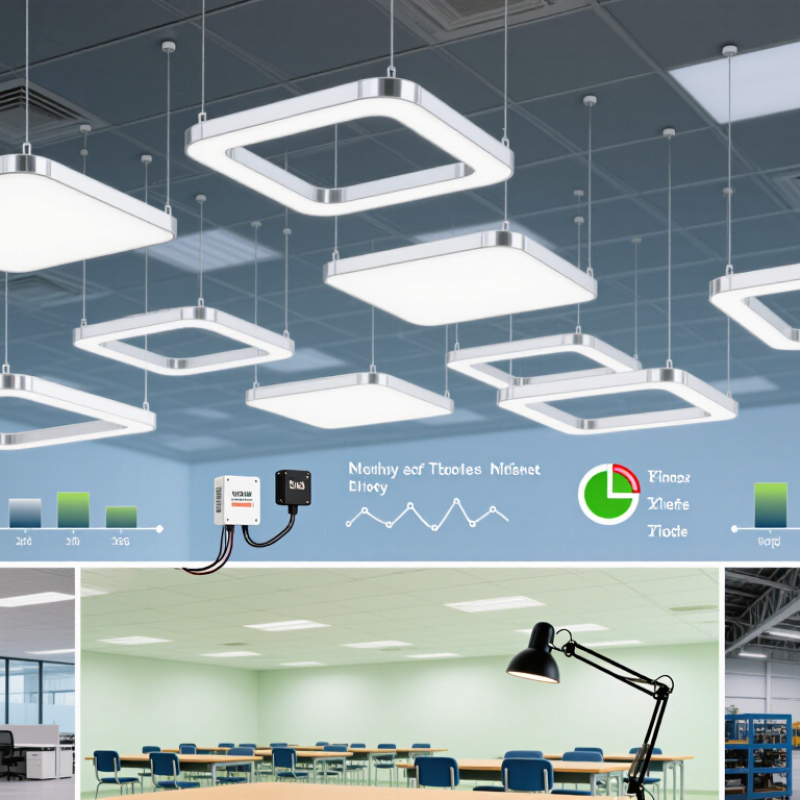
A suspended LED panel is a thin ceiling luminaire hung on adjustable cables. It provides light from a lower position than recessed fixtures. This arrangement can reduce ceiling shadows and create a cleaner visual rhythm over desks, counters, or corridors. Most panels use edge-lit LEDs, a light guide, a diffuser, and an electronic driver. The driver changes mains electricity into controlled direct current. The light guide spreads illumination across the panel. The diffuser then softens bright points and limits glare.

Direct light faces downward. Indirect light reflects from the ceiling. Many suspended models combine both distributions. Dimming controls or occupancy sensors can adjust output when spaces are empty. The U.S. Department of Energy’s 2023 SSL research report notes that LED packages can exceed 200 lumens per watt in laboratory conditions. Real fixtures usually perform lower because of optics, heat, and driver losses. The International Energy Agency estimates lighting consumes about 15% of global electricity. Better control matters, not only higher efficacy.

In field installations, uneven suspension heights often create visible glare and awkward shadows. The ceiling plan is rarely perfect.

Tips: Check mounting height, beam distribution, color consistency, and glare rating before purchase. A 4000K panel may suit offices, but warmer light can feel calmer in hospitality spaces. Measure the room first. Do not judge brightness from wattage alone. Review delivered lumens, power factor, warranty terms, and driver replacement access. Some specifications look impressive, yet maintenance becomes difficult after installation.

Key Features of the Best Suspended LED Panels in 2026

The best suspended LED panel in 2026 should combine efficient light with human comfort. The International Energy Agency reports that lighting uses about 15% of global electricity. High-efficacy panels can reduce demand, but efficiency alone is not enough. Look for at least 120 lumens per watt, a CRI of 90 or higher, and stable output across long operating hours. A panel may look bright on paper yet feel harsh at a shared desk.

Glare control is essential. Choose a low UGR rating, ideally below 19 for offices, with deep optics or micro-prismatic diffusers. Flicker performance also matters, especially for cameras, classrooms, and sensitive users. The U.S. Department of Energy’s solid-state lighting research identifies controls, thermal management, and color quality as major improvement areas. Occupancy sensors, daylight dimming, and adjustable color temperature can reduce wasted energy. Acoustic panels may improve open offices, though their effect depends on ceiling height and room surfaces. I would not trust a product sheet alone.

Tips: Request LM-79 photometric test results, LM-80 LED data, and a published warranty. Check emergency lighting compatibility before installation. Test one panel at desk height. A small trial often reveals glare, shadows, or unwanted buzzing. Also inspect the driver’s replacement plan. This detail is easy to miss.

How to Compare Suspended LED Panels for Global Applications

For global buyers, comparing suspended LED panels starts with the application, not appearance. In offices, glare control matters when screens sit below the fixtures. In schools, even illumination supports reading and reduces harsh shadows. Warehouses demand flexible suspension and stronger protection against dust. During site assessments, I measure ceiling height, spacing, task areas, and daylight direction. A panel that looks bright in a showroom may perform poorly beside large windows. Small details matter.

Check delivered lumens, not only wattage. Efficacy, color temperature, color rendering, and flicker performance affect daily comfort. Request UGR data for workspaces with computers. Compare suspension length, cable adjustment, mounting hardware, and driver compatibility. Regional electrical requirements vary, so recognized test reports are more useful than vague claims. Ask for photometric files and a physical sample. Do not trust one photograph.

Ownership costs include installation, replacement drivers, cleaning, and warranty response. For cross-border projects, packaging quality and spare-part access can affect schedules. Confirm carton dimensions, lead times, technical documents, and service contacts before purchasing. A pilot installation of several panels can reveal cable alignment, glare, and color consistency. I have seen slight color shifts become obvious across long corridors. Catalog data rarely reflects every ceiling. Buyers should record measured results and revise specifications when site evidence challenges the original assumptions.

2026 Best Suspended LED Panel for Global Buyers?

How to Compare Suspended LED Panels for Global Applications

The chart compares practical specification targets for suspended LED panels used in common global applications. Higher efficacy helps reduce electricity consumption, while the recommended UGR level supports visual comfort. Final selection should also verify voltage compatibility, dimming protocol, emergency-lighting requirements, ingress protection, photometric files, and regional safety certification.

Installation, Safety, and Maintenance Requirements

2026 Best Suspended LED Panel for Global Buyers?

A suspended LED panel needs more than attractive brightness. Installation begins with a load-rated ceiling anchor, suitable suspension wires, and a level frame. The ceiling must carry the complete fixture weight, not just the panel. Check the driver location, cable length, and ventilation space before drilling.

Power must remain isolated during installation. A qualified electrician should verify voltage, grounding, polarity, and local electrical requirements. Use protective gloves and eye protection when cutting or lifting panels. Emergency lighting systems may require separate testing. Never hide a driver inside insulation or an enclosed cavity. Heat needs an escape route.

Safety labels matter.

Maintenance should include monthly visual checks in dusty or humid spaces. Look for loose wires, darkened LEDs, buzzing drivers, or uneven brightness. Clean the diffuser with a soft, dry cloth. Do not spray liquid onto the panel. Test suspension points after nearby ceiling work or vibration. Record faults, dates, and replacement parts for easier audits.

Field experience shows that many failures come from rushed cable connections, not LED chips. A neat ceiling can still hide poor grounding. Product data may also omit real ceiling conditions. Buyers should request installation drawings, driver specifications, dimming compatibility, replacement guidance, and tested safety documentation. Requirements differ by country, so local professionals must confirm the final installation.

2026 Best Suspended LED Panel for Global Buyers? - Installation, Safety, and Maintenance Requirements

Evaluation Dimension Recommended Requirement for Global Buyers Practical Acceptance Criteria Installation, Safety, or Maintenance Evidence
Panel construction Use a rigid, low-glare LED panel with a metal housing and a suitable optical diffuser. No sharp accessible edges, loose diffuser, visible deformation, or rattling parts after installation. Visual inspection, mechanical inspection, and installation instructions.
Suspension system Select adjustable suspension cables, rods, or mounting kits rated for the complete luminaire assembly. Four-point support is preferred for rectangular panels; the panel must remain level and stable during normal use. Load rating, anchoring method, ceiling assessment, and completed installation checklist.
Ceiling and anchor compatibility Match anchors and fixings to concrete, steel, timber, or suspended-ceiling construction. Never rely on ceiling tiles alone to carry the luminaire unless the ceiling system is specifically engineered for that load. Substrate identification, anchor specification, and site-level structural approval where required.
Input voltage and frequency Choose a driver compatible with the destination country’s nominal voltage and frequency. Common global configurations include 100–240 V AC, 50/60 Hz, but the product label and driver datasheet must be verified before purchase. Electrical rating label, driver datasheet, wiring diagram, and local electrical inspection.
Electrical protection Provide protective earthing where the luminaire is Class I and install suitable overcurrent protection. Protective conductor continuity, secure terminals, strain relief, and no exposed live parts. Continuity test, insulation test, polarity verification, and electrical installation record.
Applicable safety standards Require conformity documentation relevant to the destination market, such as IEC/EN 60598-1 or equivalent national requirements. Documentation should identify the exact model, electrical ratings, test scope, and applicable market. Declaration of conformity, safety test report, risk assessment, and installation manual.
Ingress protection Use an IP rating appropriate to the installation environment. IP20 is generally intended for dry indoor locations; damp or dusty areas require a product specifically rated for those conditions. IP marking, test documentation, environmental assessment, and correct sealing of cable entries.
Thermal management Keep the driver and LED housing ventilated and do not cover heat-dissipating surfaces. No insulation, packaging, or other material should obstruct designed ventilation paths. Clearance check, operating-temperature data, and inspection for overheating or discoloration.
Emergency lighting interface Where emergency illumination is legally required, use a luminaire and emergency driver designed and tested for that function. Normal lighting alone must not be treated as emergency lighting without the required emergency equipment and testing. Emergency duration test, battery or central-supply documentation, and local compliance records.
Dimming and controls Confirm compatibility between the driver, dimming protocol, control wiring, and building-control system. No flicker, unexpected shutdown, audible noise, or control conflict throughout the dimming range. Control wiring diagram, commissioning record, and functional test at minimum and maximum settings.
Glare and visual comfort Prefer a diffuser and optical design suitable for the task, viewing angle, and ceiling height. Check glare risk at normal working positions; UGR data should be used only when calculated for the actual room layout. Photometric file, lighting calculation, sample-room inspection, and user feedback.
Light quality Specify color temperature, color-rendering performance, and consistency for the intended application. Typical indoor options are 3000–4000 K; verify the declared color-rendering value and color tolerance in the datasheet. IES or equivalent photometric file, color data, and incoming-goods sampling inspection.
Power efficiency Compare system efficacy rather than LED-chip efficacy alone. Calculate lumens per watt using delivered lumens divided by total luminaire input watts, including the driver. Independent or manufacturer test data, measured input power, and delivered-lumen report.
Installation clearance Maintain the manufacturer’s specified separation from walls, insulation, sprinklers, HVAC equipment, and combustible materials. The panel, driver, and cables must not interfere with fire-protection, ventilation, access, or building-maintenance systems. Reflected ceiling plan, site coordination drawing, and final clearance inspection.
Cleaning requirement Clean the diffuser and housing with a soft, dry or slightly damp, lint-free cloth. Do not use abrasive pads, solvents, high-pressure water, or aggressive chemical cleaners unless expressly approved. Cleaning procedure, maintenance log, and inspection for yellowing, cracks, or clouding.
Routine inspection interval Inspect suspended fittings, cables, connectors, housing, and light output at least annually in normal indoor use. Use shorter intervals in high-vibration, dusty, humid, corrosive, or publicly accessible locations. Dated inspection checklist, defect report, and corrective-action record.
Electrical servicing Isolate and lock out the electrical supply before opening, rewiring, or replacing the driver. Only qualified personnel should perform electrical work in accordance with local regulations. Isolation procedure, electrical work permit where required, and post-service testing.
Spare parts and serviceability Prefer replaceable drivers, connectors, suspension components, and diffusers when the design permits. Replacement parts must match electrical ratings, dimensions, temperature limits, and safety requirements. Parts list, wiring diagram, service instructions, and documented compatibility information.
End-of-life handling Separate electrical equipment from general waste and follow the destination country’s recycling requirements. Remove the luminaire safely, protect workers from falling parts, and use authorized waste channels where required. Product material information, disposal instructions, and waste-transfer documentation.
Buyer verification note: Electrical ratings, safety markings, installation methods, emergency-lighting requirements, and inspection intervals must be confirmed against the product documentation and regulations of the destination country. Suspended luminaires should be installed and serviced by appropriately qualified personnel.

Top Selection Criteria for Buyers in Different Markets

2026 Best Suspended LED Panel for Global Buyers?

Choosing the best suspended LED panel in 2026 depends less on appearance than market fit. Buyers should check local voltage, frequency, fire-safety rules, and electrical documentation. European projects may require strict declarations and recyclable materials. North American buyers often focus on dimming compatibility, emergency operation, and ceiling-grid coordination. In hot, humid markets, sealed housings and corrosion-resistant suspension parts deserve close attention. Cold regions may need drivers tested for low starting temperatures.

Light quality also changes by application. Offices usually benefit from low-glare optics, neutral color temperature, and controlled brightness. Retail spaces may need stronger color rendering for fabrics, food, or displays. Schools require comfortable illumination across desks, not just a bright center. Ask for independent photometric reports, flicker data, lifetime testing, and driver details. Marketing claims are not enough.

One detail is often missed. Check installation access before ordering. A narrow lift, high ceiling, or uneven slab can increase labor costs quickly. I recommend testing one panel in the actual room, with its controls and suspension length. Small samples reveal glare that drawings hide. No checklist is perfect. I once underestimated local spare-part availability, and the project waited longer than expected. Buyers should compare warranty terms, replacement drivers, packaging strength, and service response in their own market. The cheapest panel may become expensive after installation.

Request Quote

Sign Up