2026 Top Guide to Schedule 80 Pipe Uses and Applications?
In the world of piping systems, the “schedule 80 pipe” stands out for its strength and versatility. Often used in industrial and commercial applications, it is known for its ability to handle high pressure and demanding environments. Architects and engineers frequently recommend schedule 80 pipe due to its durability and resistance to corrosion. This makes it suitable for a variety of industries, including water treatment, chemical processing, and construction projects.
Understanding the diverse uses of schedule 80 pipe can enhance decision-making when selecting piping materials. From complex plumbing systems to robust drainage solutions, its applications are numerous. Some users may overlook the need for proper installation techniques, which is essential for maximizing performance. Reflecting on these practices can lead to better outcomes and fewer future issues.
Overall, the schedule 80 pipe revolutionizes how we approach piping solutions. Its specifications provide clarity in choosing the right material. Emphasizing reliable installation and long-term maintenance ensures optimal functionality. In this guide, we will delve deeper into practical applications, benefits, and the nuances of schedule 80 pipe.

Uses of Schedule 80 Pipe in Industrial Applications
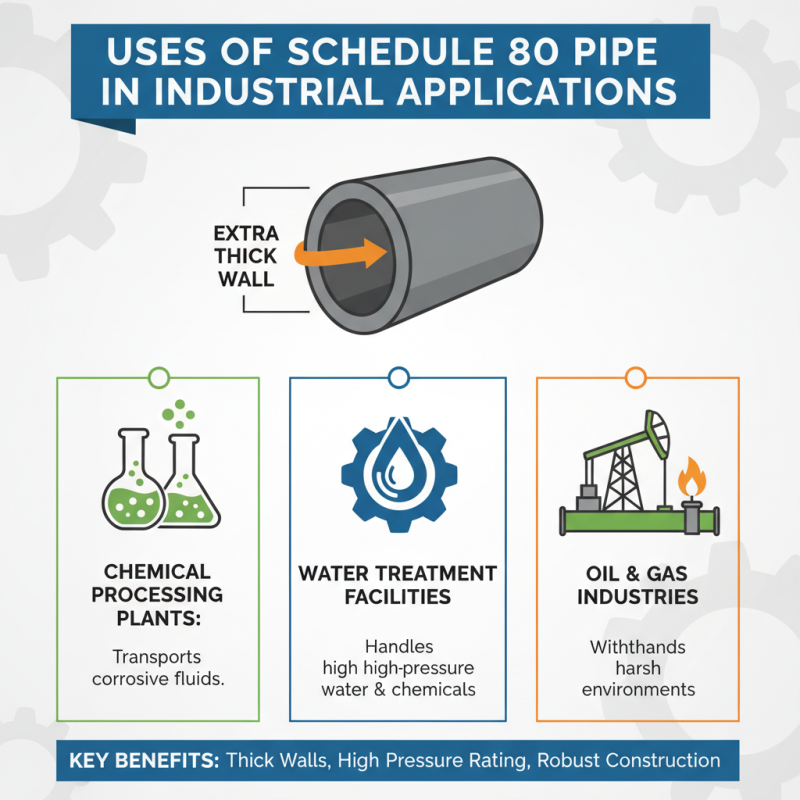
Schedule 80 pipe is a popular choice for various industrial applications due to its thick walls and high pressure rating. This type of pipe is commonly used in chemical processing plants, water treatment facilities, and oil and gas industries. Its robust construction allows it to withstand harsh environments and corrosive materials, making it ideal for transporting fluids securely.
When using Schedule 80 pipe, consider the environment it will operate in. Ensure the pipe material aligns with the chemical properties of the substances being transported. Overlooking compatibility can lead to failures. It's also crucial to maintain proper installation techniques. Even minor errors can compromise the pipe's integrity over time.
Tip: Regular inspections can identify potential issues early. This proactive approach extends the lifespan of your piping system. Additionally, using the right fittings is essential. Mismatched fittings can create weak points that may fail under pressure. Remember, not all installations are perfect. Learning from mistakes can lead to better practices in the future.
Schedule 80 Pipe for Plumbing and Water Systems
Schedule 80 pipe is widely known for its robust applications in plumbing and water systems. Its thicker walls provide greater durability compared to Schedule 40 pipe. This makes it an excellent choice for high-pressure environments. Many plumbers prefer Schedule 80 for both cold and hot water distribution. It can handle higher temperature variations effectively.
In residential setups, Schedule 80 pipe is often used for underground piping systems. Its resistance to cracking makes it suitable for various soil conditions. Additionally, it’s common in industrial settings where heavy-duty systems are needed. Users sometimes forget that installation requires specialized fittings due to its dimensions. Proper care during installation can prevent leaks and failures.
Considerations for using Schedule 80 pipe include potential over-engineering. While it offers strength, it may be more than necessary for lighter applications. Understanding the specific requirements of your plumbing system can lead to better choices. Cost-effectiveness is also a factor; sometimes, less robust options may suffice. Proper assessment ensures that you're using the right materials for the right job.
Chemical Resistance and Applications of Schedule 80 Pipe
Schedule 80 pipe has become a popular choice in various industries due to its impressive chemical resistance. This type of pipe is designed with thicker walls than standard options, making it suitable for high-pressure applications. It holds up well against corrosive substances, which is crucial for processes involving chemicals. Industries such as pharmaceuticals and oil and gas frequently rely on Schedule 80 pipe for safe and reliable transport.
In terms of applications, Schedule 80 pipe finds its way into systems that have to handle harsh environments. For example, wastewater treatment plants use it to manage aggressive chemicals. The durability of Schedule 80 ensures that it remains intact under pressure. However, not all applications may find this pipe suitable. Factors such as temperature extremes can challenge its effectiveness, requiring careful selection.
Additionally, it is vital to consider the installation and maintenance of Schedule 80 pipe. Proper handling during installation is essential to prevent future issues. Some users report difficulties with fittings that can complicate repairs. Continuous evaluation of the systems in which Schedule 80 pipe is used can lead to better long-term results. Thus, while it offers strong resistance and reliability, ongoing attention is crucial for optimal performance.
2026 Top Guide to Schedule 80 Pipe Uses and Applications
| Application |
Industry |
Chemical Resistance |
Temperature Range (°F) |
| Water Distribution |
Municipal |
Good |
32 to 140 |
| Chemical Process Piping |
Chemical |
Excellent |
0 to 180 |
| Wastewater Treatment |
Environmental |
Good |
32 to 120 |
| HVAC Systems |
Construction |
Fair |
40 to 140 |
| Fire Protection Systems |
Safety |
Good |
32 to 180 |
Installation Guidelines for Schedule 80 Pipe in Various Settings
When installing Schedule 80 pipe, accuracy is key. The thicker walls provide increased strength, making them suitable for high-pressure applications. You'll often find this type of pipe in industrial settings, such as chemical processing and waste management. Installing in a tight space? Ensure you measure twice and cut once. A small mistake can lead to complications.
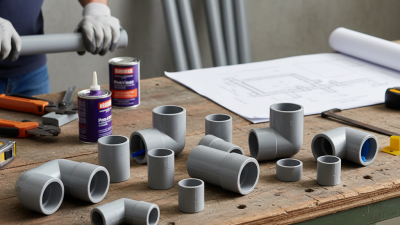
Before installation, consider the environment. Schedule 80 pipes resist corrosion and can handle extreme temperatures. This makes them ideal for outdoor installations as well. Make sure to use the right fittings for added security. Proper sealing methods will prevent leaks. Tips for sealing include using thread sealant for threaded connections and ensuring a clean surface for solvent welds.
Confirmation of alignment is crucial during installation. Misalignment can cause stress on the pipe joints, leading to potential failure. It's important to routinely check your work. If you're new to this, asking for input from experienced professionals can provide valuable insights. Embracing feedback will enhance your installation skills over time.