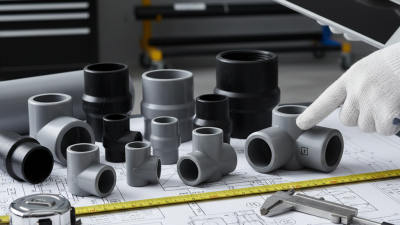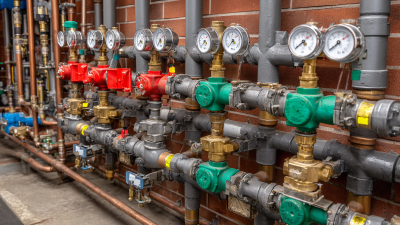
For global buyers, selecting the right hdpe pipe fittings in 2026 requires more than comparing prices. Each fitting must match the pipe diameter, SDR rating, pressure class, and joining method. A mismatch can appear as a small gap during installation, then become a costly leak under pressure.
This guide examines common types, including butt fusion fittings, electrofusion couplers, socket fusion components, flanged adapters, elbows, tees, reducers, and service saddles. It also considers practical buying details. These include resin quality, dimensional accuracy, UV protection, factory testing, and batch traceability. Experienced contractors often inspect the fitting surface, packaging, and markings before installation. Clear technical documents matter too. Buyers should request pressure data, material certificates, fusion instructions, and relevant conformity records from established manufacturers.
Small details matter.
A reliable supplier should explain how each fitting performs in water, irrigation, mining, industrial, or municipal applications. However, no buying guide is flawless. Regional standards, site conditions, temperature changes, and installer skills can alter the best choice. A fitting that works well on a buried water line may not suit an exposed chemical process pipe. That point deserves careful review. Global purchasers should compare verified specifications instead of trusting attractive product photos or broad marketing claims. This introduction provides a practical foundation for evaluating hdpe pipe fittings, reducing uncertainty, and asking better questions before the purchase order is released.
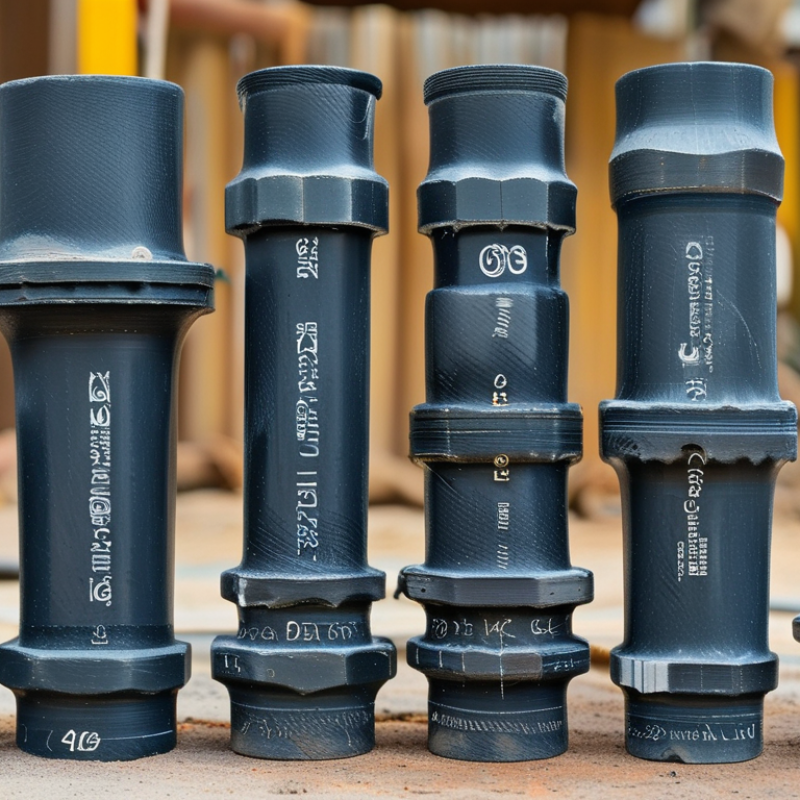
HDPE pipe fittings are molded or machined components that connect, control, or redirect polyethylene piping systems. Common types include elbows, tees, reducers, couplings, stub ends, and flange adapters. Their main material is high-density polyethylene resin, often strengthened with carbon black, antioxidants, and processing stabilizers. PE100 and PE4710 grades are widely selected for demanding water, industrial, and drainage applications.
Key characteristics include flexibility, low weight, strong chemical resistance, and reliable performance in wet or corrosive environments. Fusion joining can create a continuous connection with fewer leakage paths. The smooth internal surface also supports efficient flow and reduces sediment buildup. However, fitting performance depends on resin quality, wall thickness, SDR, pressure class, and temperature. Not every fitting suits every pipe. This point is often overlooked. Poor alignment or incorrect heating can weaken even a well-made joint.
Tips: Check the fitting’s dimensions and pressure rating before installation. Keep fusion surfaces clean, dry, and protected from dust. Follow documented heating, cooling, and inspection procedures. Store fittings away from sharp objects and prolonged sunlight. Field teams should record batch details and fusion conditions. Small records can reveal larger problems later. Even experienced installers sometimes rush cooling time, and that mistake deserves review.

HDPE pipe fittings support reliable water, irrigation, mining, drainage, and industrial networks worldwide.
The main types include elbows, tees, reducers, couplers, flanges, stub ends, and service saddles. Each shape controls direction, branching, diameter changes, or equipment connection. Elbows suit restricted layouts, while tees divide flow into separate lines. Reducers connect different pipe sizes without forcing an unstable transition.
Connection methods matter as much as fitting shape.
Butt fusion creates a continuous joint between matching pipe and fitting surfaces. Electrofusion uses embedded heating elements and works well where access is limited. Socket fusion suits smaller diameters and controlled workshop assembly. Compression fittings allow mechanical installation, useful for repairs or temporary connections. They also require careful tightening.
Too little pressure may cause leakage, while excessive force can damage the sealing area.
Global buyers should check pressure ratings, temperature limits, SDR compatibility, and local standards such as ISO 4427 or equivalent requirements.
Material traceability and dimensional inspection improve purchasing reliability. A fitting may look correct but still fail after installation. That assumption can fail.
Field teams should clean fusion zones, control heating time, and record joint parameters. Flanged connections also need aligned bolts and suitable gaskets; uneven tightening can create stress. In challenging ground, flexible HDPE fittings reduce movement problems, but designers still need accurate soil and load data. Selection is not always obvious. A lower-cost fitting can become expensive when access is difficult or replacement requires excavation.
2026 Top HDPE Pipe Fittings Types for Global Buyers
HDPE fittings should be selected by size, pressure, and connection method, not appearance alone. The U.S. EPA’s 2023 Drinking Water Infrastructure Needs Survey estimates $625 billion in future investment needs. That demand increases pressure for durable, repairable systems.
Start with outside diameter and wall thickness. ISO 4427 classifies polyethylene pipe through dimensions and pressure performance. For PE100 systems at 20°C, SDR11 is commonly rated near PN16, while SDR17 is near PN10. Actual ratings depend on temperature, service life, material classification, and design factors. Plastics Pipe Institute guidance also stresses that fusion quality affects joint strength. A perfect fitting cannot rescue poor alignment.
Butt fusion suits larger, straight pipelines with matching wall thickness. Electrofusion works well near valves, repairs, and restricted work areas. Mechanical fittings can simplify transitions to metal equipment, but they need correct gaskets and controlled bolt torque. I have seen projects select by diameter alone. The result was a pressure mismatch that looked acceptable during installation.
Tips: Measure twice. Confirm SDR, PE grade, temperature, and pressure before ordering. Check whether the fitting matches the pipe’s outside diameter, not its nominal label. Record fusion temperature, pressure, and cooling time on site. Leave room for uncertainty; field conditions often differ from drawings. Standards guide decisions, but site inspection still matters.
| Fitting Type | Typical Application | Common Nominal Size Range | Typical Pressure Class Selection | Primary Connection Method | Key Selection Considerations | Common Reference Standards |
|---|---|---|---|---|---|---|
| HDPE Butt-Fusion Elbow | Directional changes in buried water, irrigation, mining, and industrial pipelines. | 63–1600 mm, depending on the design system. | Commonly SDR 11–SDR 26; approximately PN 16–PN 6 for water at 20°C, subject to the applicable standard and temperature derating. | Butt fusion. | Match the elbow angle, outside diameter, SDR, fusion procedure, and allowable bend geometry to the pipe system. | ISO 4427; EN 12201; ASTM F714; ASTM F2620. |
| HDPE Electrofusion Elbow | Repairs, confined spaces, tie-ins, and locations where a butt-fusion machine is difficult to use. | 20–630 mm is common; larger sizes are available in selected systems. | Often SDR 11–SDR 17 for pressure water and gas applications; verify the fitting rating. | Electrofusion. | Confirm barcode or fusion-control requirements, scraping depth, clamping, alignment, and cooling time. | ISO 4427; EN 12201; ISO 8085; ASTM F1055; ASTM F1290. |
| HDPE Butt-Fusion Tee | Branch connections for municipal water, wastewater, irrigation, and process piping. | 63–1600 mm main size; branch sizes depend on the design. | Typically selected in the same SDR as the adjoining pressure pipe; common systems include SDR 11, 13.6, 17, and 26. | Butt fusion or fabricated butt fusion. | Check equal or reducing branch configuration, flow direction, reinforcement design, and pressure rating of the branch outlet. | ISO 4427; EN 12201; ASTM F714; ASTM F2620. |
| HDPE Electrofusion Tee | Compact branch connections and repair work in existing distribution networks. | 20–630 mm, with branch combinations determined by the fitting range. | Commonly SDR 11–SDR 17; use the lower rating where the branch or transition component governs. | Electrofusion. | Ensure the outlet size matches the service line and that the fitting is approved for the fluid and operating pressure. | ISO 4427; EN 12201; ISO 8085; ASTM F1055. |
| HDPE Reducer | Transitions between different pipe diameters in a pressure pipeline. | Typically from 63 mm upward; exact combinations vary by manufacturer and standard. | Use the pressure rating of the lowest-rated component; SDR 11–SDR 26 are common selections. | Butt fusion or electrofusion. | Select concentric or eccentric geometry according to hydraulic, installation, and drainage requirements. | ISO 4427; EN 12201; ASTM F714. |
| HDPE Coupler | Joining two HDPE pipes of the same outside diameter and SDR. | 20–1600 mm for butt-fusion systems; smaller ranges are common for electrofusion. | Generally matched to the pipe SDR; common pressure selections are SDR 11, 13.6, 17, and 26. | Butt fusion or electrofusion. | Verify identical outside diameter, SDR, resin compatibility, ovality limits, and fusion equipment capacity. | ISO 4427; EN 12201; ASTM F714; ASTM F1055. |
| HDPE Stub End and Flange Adaptor | Removable connections to valves, pumps, filters, steel pipe, ductile iron pipe, and other flanged equipment. | Commonly 20–1600 mm; flange drilling patterns vary by market and standard. | Often SDR 11–SDR 26; the flange, backing ring, gasket, and bolts must be rated for the same service. | Butt fusion to HDPE plus bolted flange connection. | Match DN or NPS, pressure class, bolt circle, number of holes, gasket type, and flange facing. | ISO 4427; EN 12201; EN 1092-1; ASME B16.5 where applicable. |
| HDPE Male or Female Thread Adaptor | Connections to threaded meters, valves, small-diameter service lines, and equipment. | Usually 20–110 mm HDPE pipe size; thread sizes are typically 1/2–4 inches. | Commonly used in lower-diameter systems; confirm the pressure rating of the threaded insert and mating component. | Butt fusion, electrofusion, or mechanical compression plus threaded connection. | Identify thread type, material, sealing method, torque limit, and risk of over-tightening or galvanic corrosion. | ISO 4427; EN 12201; ISO 7-1; ASME B1.20.1 where applicable. |
| HDPE Saddle Branch | Creating a service or branch outlet from an existing main pipe. | Main pipes commonly 63–1200 mm; outlet sizes often 20–315 mm. | Pressure rating depends on saddle design, outlet size, main-pipe SDR, and installation method. | Electrofusion saddle or branch saddle with outlet fusion. | Check minimum main diameter, tapping procedure, clamp support, branch reinforcement, and cool-down requirements. | ISO 4427; EN 12201; ISO 8085; ASTM F1055. |
| HDPE End Cap | Permanent termination, pressure testing, temporary isolation, or future extension of a pipeline. | 20–1600 mm, depending on connection technology. | Select the same or higher pressure class than the adjoining pipe; common systems are SDR 11–SDR 26. | Butt fusion, electrofusion, or mechanical end cap. | Do not use an unrestrained temporary cap where test pressure or thrust exceeds the fitting design limits. | ISO 4427; EN 12201; ASTM F714; ASTM F1055. |
| HDPE Mechanical Compression Fitting | Small-diameter potable water, irrigation, agricultural, and service-line connections. | Typically 16–110 mm outside diameter. | Often PN 10 or PN 16, but the actual rating depends on size, temperature, and fitting construction. | Mechanical compression; no heat-fusion equipment required. | Confirm pipe outside diameter, insert requirement, potable-water approval, pull-out resistance, and installation torque. | ISO 14236; EN 12201; ISO 3501 where applicable. |
| HDPE Repair Coupler | Repairing damaged or cut pipe sections where axial movement or limited access prevents standard joining. | Commonly 20–630 mm; larger sizes require project-specific solutions. | Choose a rating equal to or above the operating pressure; verify whether the coupling is restrained and fully pressure-rated. | Electrofusion or mechanical restrained coupling. | Check allowable pipe gap, axial restraint, surface preparation, joint deflection, and installation clearance. | ISO 4427; EN 12201; ASTM F1055; applicable utility specifications. |
2026 Top HDPE Pipe Fittings Types for Global Buyers
HDPE Fitting Standards, Certifications, and Quality Requirements
Global buyers should evaluate fittings through standards, test evidence, and traceability. ISO 4427-3 covers polyethylene fittings for water supply systems, while EN 12201-3 addresses similar European requirements. ASTM D3261 applies to molded HDPE fittings, and ASTM F714 specifies pipe dimensions used with many fitting systems. These standards define dimensions, pressure performance, fusion compatibility, and testing procedures.
The Plastics Pipe Institute’s TR-4 report lists a 1,600 psi hydrostatic design basis for PE4710 at 73°F (23°C). This figure supports engineering decisions, but it does not automatically approve every fitting. Resin grade, wall thickness, SDR, fusion quality, and temperature affect real performance. Buyers should request third-party certification, factory test reports, material certificates, and batch-level traceability. For potable water, NSF/ANSI/CAN 61 certification is often required by project specifications. Certification scope matters. A certificate for pipe may not cover fittings.
Tips: Check the certificate number, production lot, SDR range, and test temperature. Ask for fusion procedure records. Inspect ovality, socket depth, and visible surface damage before installation.
One practical concern is easy to miss: documents can look complete while test coverage remains narrow. Independent inspection and witnessed pressure testing reduce that risk. No certificate replaces skilled installation.
The chart shows the nominal pressure relationship between PE100 pipe SDR classes at 20°C. Lower SDR values indicate thicker walls and higher nominal pressure capability. Common HDPE fitting types include butt-fusion elbows, tees, reducers, stub ends, electrofusion couplers, electrofusion saddles, and flanged adapters.
For international procurement, verify conformity with ISO 4427-3 or EN 12201-3 for water applications, ASTM D3261 for butt-fusion fittings, and ASTM F1055 for electrofusion fittings. Potable-water projects may additionally require NSF/ANSI/CAN 61 or an equivalent local approval.
Reference basis: ISO 4427 and EN 12201 PE100 pressure classifications at 20°C. Actual fitting and system ratings depend on the fitting design, resin grade, joining method, temperature, application medium, and project regulations.
Installation quality often determines whether HDPE fittings perform for decades. Butt-fusion fittings suit straight pipelines and large diameters. Electrofusion couplings help repair work in narrow trenches. Flanged adaptors simplify connections to valves, pumps, and metal equipment. Installers should check pipe ovality, fusion temperature, scraping depth, and cooling time. A clean, dry fusion zone matters. Small contamination can create a serious joint weakness.
The World Health Organization and UNICEF reported in the 2023 Joint Monitoring Programme update that 2.2 billion people lacked safely managed drinking water in 2022. This gap increases demand for dependable water infrastructure, especially in developing regions. Buyers should request pressure ratings, dimensional records, resin classification, and batch traceability. ISO 4427 remains a key reference for polyethylene water systems. However, standards are not interchangeable automatically. Confirm local requirements before ordering.
Maintenance is usually simple, but not effortless. Inspect exposed fittings for impact marks, movement, ultraviolet damage, and unusual settlement. Buried networks benefit from pressure testing and documented repair histories. Global purchasers should also compare shipping protection, spare-fittings availability, customs documents, and technical support. Forecasts from Grand View Research indicate continued growth in the HDPE pipes market through 2030, yet purchasing decisions still need field evidence. I would not choose a fitting only because its price is low. A cheaper batch can require more testing, and that cost is easy to underestimate.

Sign up for our mailing list to stay informed and up to date with our latest news and products!
(905) 832 – 0600
2175-A Teston Road
Maple, Ontario
L6A 1T3
(780) 451 – 0238
24790 – 117 Avenue
Acheson, Alberta
T7X 6C2
(604) 882 – 1564
9511 – 194A Street
Surrey, British Columbia
V4N 4G4
(306) 955 – 6005
3926 Arthur Rose Avenue Saskatoon, Saskatchewan
S7P 0C9
(450) 687 – 2721
2750 Rue Bernard-Lefebvre
Laval, Quebec
H7C 0A5