
Choosing the right Sink Stopper is a small decision with daily consequences. It affects drainage speed, odor control, cleaning effort, and the lifespan of your sink hardware. A loose rubber plug may cost little, yet it can trap food particles around the drain. A mechanical pop-up stopper looks cleaner, but its lift rod may collect grime beneath the basin.
Industry research supports closer evaluation. Grand View Research identifies replacement demand, material durability, and fixture performance as important factors in the kitchen sinks market. The Freedonia Group also links plumbing fixture demand with repair activity and household renovation. These findings suggest a practical truth: buyers want dependable parts, not attractive designs alone.
Richard Trethewey, a longtime plumbing expert known for This Old House, offers a useful principle: “Reliable plumbing should work quietly and stay out of your way.” That idea fits every Sink Stopper choice. A bathroom basin may need a corrosion-resistant pop-up model. A kitchen sink may benefit from a basket strainer with a removable stopper. A utility sink may need a simple rubber seal.
There is no universal winner. That assumption can fail.
This guide compares lift-and-turn, push-button, flip-top, rubber, basket, and smart drain stopper designs. It considers sealing performance, installation, cleaning, materials, and long-term maintenance. The best option depends on your sink, habits, water conditions, and budget. I may initially favor mechanical models because they feel more refined. However, a simple stopper can remain easier to repair. Practical experience often challenges showroom appeal.
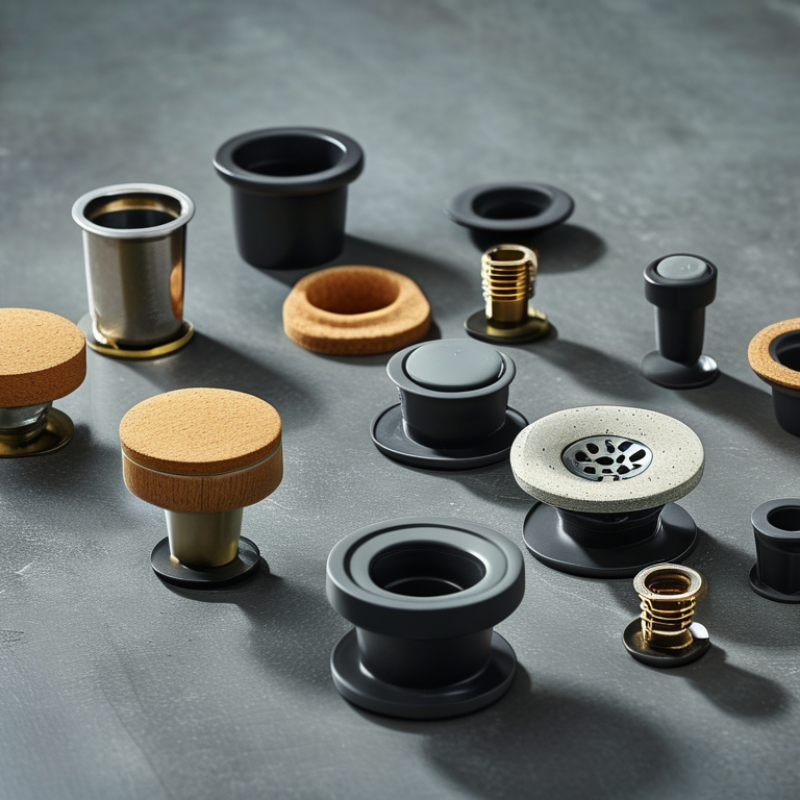
A sink stopper is not just a plug. Its design controls water flow, debris, and cleaning effort. Most models use a rubber or silicone seal against the drain opening. When the seal sits evenly, water stays in the basin. A tilted stopper can leak within minutes.
Pop-up stoppers connect to a lift rod beneath the faucet. Pulling the rod raises the stopper through a linkage system. They offer convenient control but may collect hair around the moving stem.
Lift-and-turn models use a threaded post. Pressing and twisting locks or releases the stopper. They have fewer hidden parts and often suit deeper basins.
Toe-touch designs open with gentle foot pressure, which is useful when both hands are wet.
Flip-style stoppers use a rotating disk and usually need less maintenance. However, their seal may weaken if grit gathers underneath.
Choosing the best type depends on the drain opening, basin depth, and cleaning habits. Measure the opening before buying. A stopper that looks correct may still leave a narrow gap. I once underestimated this detail, and the basin drained slowly despite a new seal. That mistake was avoidable.
Check whether the mechanism is accessible from below the sink. Also inspect the seal regularly for flattening, cracks, or hardened edges.
A simple design is often more reliable, but convenience can matter in busy kitchens. Purely visual choices can disappoint.
2026 Top Sink Stopper Types: Which One Is Best?
Choosing a sink stopper depends on drainage habits, cleaning routines, and the sink’s existing hardware. Pop-up stoppers use a rear lift rod to open and close the drain. They offer a familiar bathroom look, but hair and soap can collect around the linkage. Installation may also require adjusting a small rod beneath the basin.
Lift-and-turn stoppers work through a simple twist. They have fewer moving parts and suit homeowners who prefer straightforward maintenance. However, tight threads can become difficult to operate when mineral deposits build up. A little cleaning matters. Push-button stoppers open and close with one press, making them convenient for wet hands. Their internal spring may lose tension over time, especially with frequent use. Replacement is usually manageable, but compatibility must be checked carefully.
Flip-flop stoppers use a rotating disc or hinged surface. They look clean and are easy to wipe, yet their sealing performance varies between designs. In my experience, they are practical for light daily use, but not every model holds water equally well. I once chose a stopper mainly for appearance and regretted ignoring the drain diameter. Measure first. A reliable choice should match the basin opening, seal firmly, resist corrosion, and remain accessible for cleaning. No type wins every situation; convenience, durability, and repair access must be weighed together.
Comparison of common sink stopper designs using practical criteria: sealing reliability, cleaning ease, operation simplicity, and compatibility with overflow-equipped sinks. Scores range from 1 (lower) to 5 (higher).
Overall takeaway: Push-button stoppers provide the best balance of convenient operation, dependable sealing, and broad compatibility. Lift-and-turn models are a strong choice for durability and easy cleaning, while flip-flop stoppers are the simplest to remove and clean but may provide a less consistent seal.
A sink stopper should be judged by sealing performance, not appearance alone. In daily use, I check the drain opening, overflow channel, and stopper lift before choosing a model. A rubber or silicone seal usually grips smooth ceramic and stainless-steel surfaces well. Silicone tolerates heat and remains flexible, but low-quality silicone may deform. Chrome-plated metal looks durable, yet its underside can corrode when the coating is damaged.
Drain compatibility often causes failure. Measure the opening diameter, overflow position, and linkage depth before purchase. Standard pop-up drains may accept a pivoting stopper, while a basket strainer usually needs a flat, removable plug. The U.S. Environmental Protection Agency WaterSense program reports that household leaks can waste more than 10,000 gallons annually. A weak stopper can contribute to unnoticed losses, especially when the basin slowly drains overnight. That figure does not measure stopper failures directly. It still shows why small sealing defects deserve attention.
Material choice also affects maintenance. Hair, soap film, and mineral scale collect around narrow sealing edges. A wider silicone flange is easier to clean than a thin metal rim. The Water Research Foundation’s Residential End Uses of Water Study identifies faucets as a significant share of indoor household water use. This supports careful faucet and drain maintenance, although it is not a stopper-specific finding. My practical mistake was trusting a universal label without checking the overflow design. It fitted, but it never sealed evenly. A reliable stopper should close quietly, resist standing water, and remain removable without tools.
2026 Top Sink Stopper Types: Which One Is Best?
Choosing the best sink stopper depends on the household, not only the sink’s appearance. A pop-up stopper suits frequent handwashing and quick draining. Its built-in rod feels convenient, but food debris can collect around the linkage. A lift-and-turn stopper offers stronger sealing for soaking dishes. It needs two hands, though. A toe-touch model works well when hands are greasy, especially beside a kitchen preparation area. It can become stiff if soap residue remains inside the spring.
For bathrooms, a removable rubber plug is inexpensive and easy to replace. It fits many standard drains, but it may slide on wet porcelain. A basket-style strainer is better for kitchens that handle vegetable scraps. It catches debris before the pipe, although it cannot hold water unless paired with a sealing insert. Measure the drain opening first. Small size errors cause slow leaks.
The U.S. EPA WaterSense Residential Kitchen Faucet Specification limits qualifying faucets to 1.8 gallons per minute. WaterSense also reports that efficient bathroom faucets can save an average household hundreds of gallons annually. A stopper does not lower faucet flow, but a reliable seal prevents unnecessary refilling during washing. That distinction matters here. ASME A112.18.2/CSA B125.2 drainage standards also emphasize functional, compatible waste fittings. For rental homes, choose a simple removable plug. For busy family kitchens, choose a corrosion-resistant basket or toe-touch design. My less-perfect preference is practical: the easiest stopper to clean often beats the most elegant one.
| Sink Stopper Type | How It Operates | Best Household Use | Common Materials | Overflow Compatibility | Water-Sealing Performance | Main Advantages | Potential Limitations | Cleaning & Maintenance | Overall Suitability |
|---|---|---|---|---|---|---|---|---|---|
| Pop-Up Stopper | Connected to a lift rod and pivot linkage; the stopper opens and closes when the rod is raised or lowered. | Traditional bathroom sinks Homes wanting a built-in, familiar drain control. | Chrome-plated brass, stainless steel, plastic, rubber seals. | Usually designed for sinks with an overflow opening. | ★★★★★ Very good when correctly adjusted. | Integrated appearance; convenient one-handed operation; widely compatible with standard bathroom drain assemblies. | The rod and pivot ball can collect hair and soap residue; adjustment may be needed after installation. | Remove the stopper periodically, clean the pivot area, and replace worn washers or seals. | Best for a classic bathroom sink setup |
| Push-and-Pull Stopper | Pressed down to close and pulled up to open; it does not require a lift rod. | Simple bathroom upgrades Users who prefer straightforward operation. | Brass, stainless steel, plastic, silicone or rubber gasket. | Available for both overflow and non-overflow drain configurations. | ★★★★☆ Good with an undamaged gasket. | Easy to install and remove; fewer moving parts; simple to operate. | The threaded post and sealing washer may loosen over time; visible hardware remains in the drain. | Unscrew the stopper for cleaning and inspect the gasket for flattening or cracking. | Best for low-complexity maintenance |
| Lift-and-Turn Stopper | Lifted and rotated to open; rotated back and lowered to create a seal. | Bathroom sinks Households seeking a durable manual mechanism. | Brass, stainless steel, plastic, rubber or silicone seal. | Commonly available in versions for sinks with or without overflow openings. | ★★★★☆ Strong seal when the stopper is aligned. | Durable; simple internal design; generally easy to replace. | Requires two motions to operate; threads can become difficult to turn when coated with mineral deposits. | Clean the threads and drain seat; apply only manufacturer-approved lubricant if required. | Best for durability and manual control |
| Toe-Touch Stopper | Pressed with a finger or toe to alternate between open and closed positions. | Modern bathroom sinks People who want hands-free-style convenience without a lift rod. | Brass, stainless steel, plastic, silicone or rubber gasket. | Models are available for overflow and non-overflow sinks. | ★★★★☆ Good, provided the spring and gasket remain clean. | Convenient push operation; clean-looking installation; no external lift rod. | The spring mechanism can become stiff or fail; small parts may be less convenient to service. | Remove the cap or stopper as directed, clear debris, and check the spring and seal. | Best for convenience in frequently used sinks |
| Flat Rubber Sink Stopper | A flexible rubber or silicone disk is pressed over the drain opening to hold water. | Utility sinks Temporary repairs Rentals, laundry areas, and irregular drain sizes. | Rubber, silicone, or flexible thermoplastic elastomer. | Works independently of the sink overflow system, but it does not block the overflow passage. | ★★★☆☆ Depends heavily on a clean, flat drain surface. | Low cost; portable; requires no tools or permanent installation; fits many nonstandard openings. | May shift during use; can deteriorate with heat, cleaning chemicals, or prolonged sunlight; does not provide a built-in control. | Wash regularly with mild soap, remove trapped residue, and replace it when it becomes hard or cracked. | Best for flexibility and temporary use |
| Basket Strainer Stopper | A removable basket catches food particles while a stopper or sealing plate holds water when needed. | Kitchen sinks Households that need food-debris control and occasional water retention. | Stainless steel, chrome-plated metal, rubber gasket, and plastic components. | Normally intended for kitchen sinks without a bathroom-style overflow opening. | ★★★★☆ Good when the flange and gasket are properly fitted. | Catches larger food particles; removable for cleaning; suitable for standard kitchen drain openings. | Grease and food residue can build up; the basket must be emptied regularly; not intended to replace a garbage disposal safety screen. | Empty after use, wash with warm soapy water, and clean the flange and gasket to prevent odors and leaks. | Best for kitchen debris management |
| Drain Grid or Strainer Cover | A fixed or removable perforated cover allows water to pass while restricting larger objects and debris. | Utility sinks Laundry rooms Areas where overflow protection is more important than filling the basin. | Stainless steel, coated steel, brass, or durable plastic. | Generally suitable for non-overflow sinks; it does not seal the overflow channel. | ★☆☆☆☆ Usually designed for drainage rather than water retention. | Reduces the chance of large objects entering the drain; low maintenance; good for continuous drainage. | Cannot normally hold water; fine debris may pass through; some covers are difficult to remove without tools. | Lift or unscrew the cover, rinse away lint and debris, and check for corrosion or damaged edges. | Best for prevention rather than basin filling |
| Hair-Catcher Drain Stopper | A perforated or mesh insert sits inside the drain and traps hair before it reaches the plumbing. | Bathroom sinks Homes with frequent hair or grooming residue in the drain. | Silicone, stainless steel mesh, plastic, or a combination of these materials. | Usually used in non-overflow drain openings; overflow compatibility depends on the design. | ★★☆☆☆ Many models allow drainage but are not intended to hold water. | Helps reduce clogs; easy to remove; useful as a preventive maintenance accessory. | Must be emptied frequently; mesh can restrict flow when covered with hair or soap residue. | Remove and rinse frequently, scrub the mesh or holes, and disinfect as appropriate for the material. | Best for preventing hair-related blockages |
Installing, cleaning, and replacing a sink stopper is easier with the right method. A pop-up stopper suits many bathroom sinks, while a lift-and-turn stopper offers simple manual control. Before installation, place a towel under the drain and keep a small bucket nearby. Remove the old stopper and clean the drain opening with a nylon brush. Check the rubber seal for cracks. A damaged seal can cause slow leaks. Insert the stopper, connect the pivot rod, and adjust the retaining nut until the stopper moves smoothly. Do not overtighten it. The first adjustment may feel awkward.
Run water for two minutes. Watch the pipe connections closely. If water appears, loosen the nut slightly and reseat the washer. For cleaning, lift out the stopper and remove hair, soap film, and mineral deposits. Warm water and mild dish soap usually work well. Avoid sharp tools that could scratch the drain surface.
I once cleaned only the stopper and ignored the pivot rod. The drain still moved poorly. That small mistake taught me to inspect every moving part.
Tips: Photograph the old assembly before removal. Test the stopper in both open and closed positions. Replace brittle washers instead of stretching them. If the drain remains blocked after cleaning, the problem may be deeper in the pipe. A licensed plumber can check it safely. Keep the cabinet dry. Leaks often hide beneath stored items.

Sign up for our mailing list to stay informed and up to date with our latest news and products!
(905) 832 – 0600
2175-A Teston Road
Maple, Ontario
L6A 1T3
(780) 451 – 0238
24790 – 117 Avenue
Acheson, Alberta
T7X 6C2
(604) 882 – 1564
9511 – 194A Street
Surrey, British Columbia
V4N 4G4
(306) 955 – 6005
3926 Arthur Rose Avenue Saskatoon, Saskatchewan
S7P 0C9
(450) 687 – 2721
2750 Rue Bernard-Lefebvre
Laval, Quebec
H7C 0A5