
Top 10 ATEX IECEx Certified Explosion Proof LED Lights

Choosing lighting for a hazardous location takes more than comparing brightness or price. Gas, vapor, dust, temperature, and installation conditions all shape the decision. A fixture that suits one processing area may be unsuitable for another. Details matter.

This guide to the Top 10 ATEX IECEx Certified Explosion Proof LED Lights introduces options for demanding industrial environments. It focuses on practical factors, including light output, beam distribution, housing materials, mounting style, and resistance to heat or corrosion. The phrase atex iecex certified explosion proof led describes an important category, but buyers should confirm each product’s actual markings and supporting certificates. Certification scope can differ by model and configuration. Check the nameplate, certificate number, protection concept, gas or dust group, and temperature rating against the site’s documented requirements. A familiar label alone is not enough.

Field experience also reminds us that specifications do not tell the whole story. A heavy fixture may be robust, yet awkward to service above a production line. A broad beam can brighten a walkway but create glare near an operator’s workstation. Not always obvious. The selections ahead are intended to help readers compare credible features and ask better questions before purchasing. Final suitability depends on the hazardous-area classification and installation conditions, so qualified professionals should review the proposed equipment and documentation. There is no universal winner.
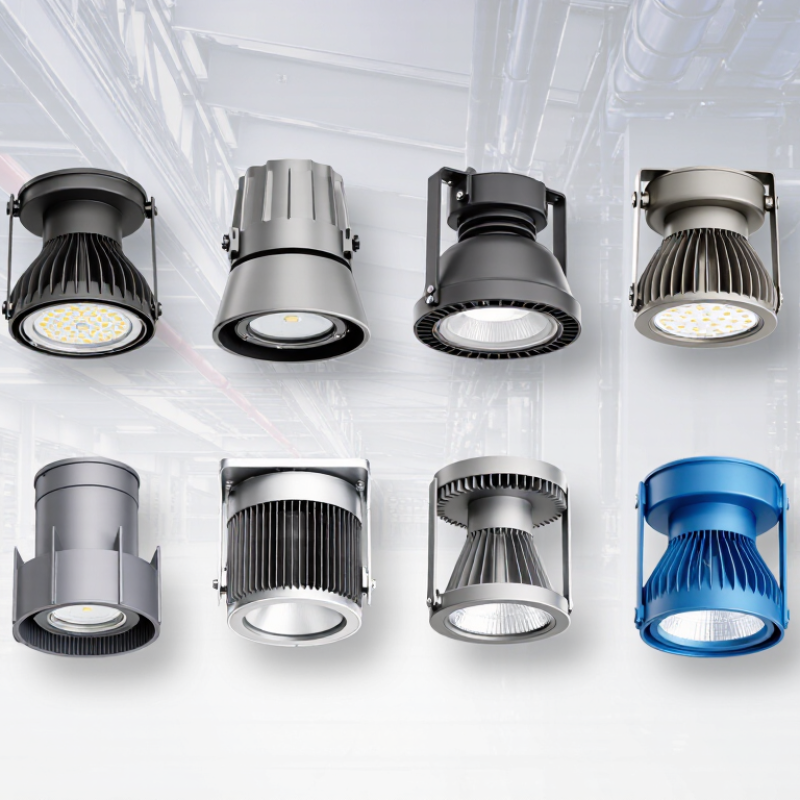
Top 10 ATEX IECEx Certified Explosion Proof LED Lights

What ATEX and IECEx Certification Means for Explosion-Proof LED Lights

ATEX and IECEx are not decorative labels on an explosion-proof LED light. They indicate that the equipment has been assessed for use in defined hazardous environments. ATEX relates to European requirements for equipment used in explosive atmospheres. IECEx is an international certification system, though local acceptance rules may differ. They are related, not interchangeable.

The certificate and product marking specify important limits. These can include the hazardous zone, gas or dust group, temperature class, and permitted ambient temperature. For example, a light approved for a particular gas group may not suit an area with different dust hazards. Check the exact model and certificate details, not just a product-page claim. Small print matters.

Certification does not make every installation safe. The cable glands, wiring, mounting position, and maintenance practices must also suit the site conditions. A poorly fitted gland can undermine an otherwise suitable fixture. It is worth checking the lighting plan with a qualified hazardous-area professional before purchase. Even then, documents can be confusing; certificates should be verified against the equipment actually supplied.


How Hazardous-Area Zones and Equipment Protection Levels Are Classified

Hazardous-area classification starts with the atmosphere, not the light fitting. Gas and vapour risks use Zones 0, 1, and 2, based on how often and how long an explosive atmosphere may be present. Zone 0 indicates continuous or frequent presence; Zone 1, occasional presence during normal operation; and Zone 2, unlikely presence that would last only briefly. Dust hazards use Zones 20, 21, and 22 under a similar principle. The numbers are not a measure of how severe an explosion would be.

Equipment Protection Levels add another layer. For gas hazards, Ga, Gb, and Gc correspond broadly to very high, high, and enhanced protection. Dust equipment uses Da, Db, and Dc. Zone 0 generally requires Ga equipment, while Zone 1 commonly requires Gb or a higher level. Zone 2 may allow Gc or a higher level, subject to the applicable certification and installation requirements. Check the marking and certificate conditions, not just a product description.

Details matter. A fitting selected for a gas zone may not suit combustible dust, and temperature limits must match the material being handled. Ambient temperature, gas group, dust layers, and cable-entry requirements can affect selection. On site, boundaries are not always tidy. A loading point or vent may create conditions different from the wider room, so confirm the area classification with qualified personnel before choosing among certified LED lights. A label alone is not the whole assessment.

Key Features Used to Compare Certified Explosion-Proof LED Lights

A useful comparison starts with the certificate, not the product name. Confirm that the exact light model and its installation conditions match the certificate. Check the gas or dust group, zone or equipment protection level, temperature class, and permitted ambient-temperature range. These details affect where a fitting can be installed. IEC 60079 standards address equipment construction and protection methods; an IP rating alone does not indicate explosion protection. Small details matter. Inspect certificate conditions, especially limits on cable entries, mounting position, or supply voltage.

Then compare performance under real operating conditions. Review maintained lumens, efficacy in lumens per watt, beam angle, glare, driver access, and resistance to heat or corrosion. The U.S. Department of Energy’s Energy Saver guidance reports that LEDs use at least 75% less energy and last up to 25 times longer than incandescent lighting. Those figures describe LED technology generally, not every certified fixture, so verify product-specific test data. Ask for photometric results and expected output at the stated ambient temperature. A bright initial reading can mislead. Maintenance access matters too, particularly where replacing a lamp requires careful planning. One comparison can still miss something: site conditions often expose weaknesses that a datasheet does not show.

Top 10 ATEX and IECEx Certified Explosion-Proof LED Lights

Choosing among the Top 10 ATEX and IECEx Certified Explosion-Proof LED Lights starts with the site, not the product photo. These luminaires are intended for hazardous areas where flammable gas, vapor, or dust may be present. Check that the certificate covers the complete light, including its housing and electrical components. Then match its marking to the area classification, gas or dust group, temperature class, and ambient temperature range. Small details matter. A unit rated for one zone or temperature class may not suit another. Compare light output, beam angle, mounting style, and operating temperature against the actual task. A bright fitting can still leave dark corners beneath pipes or platforms.

Tips: Request the certificate and product marking before purchase. Check the installation instructions, cable entries, and permitted ambient range. Do not rely on “explosion-proof” wording alone.

For a useful top-ten comparison, look beyond headline wattage. Review tested ingress protection, impact resistance, expected service life, and maintenance access. Ask how the light performs after hours of operation in heat or dust. Real installations can be less tidy than specification sheets suggest. That is worth considering. Qualified personnel should confirm suitability and installation details for the specific site.

How to Select, Install, and Maintain Lights for Hazardous Areas

Selecting an ATEX or IECEx certified explosion-proof LED light starts with the hazardous-area classification. Match the equipment marking to the site’s zone, gas or dust group, temperature class, and ambient conditions. A fixture rated for one atmosphere may not suit another. Check the actual certificate and product instructions, not just a sales description. Then consider light output, beam spread, mounting height, glare, and emergency-lighting needs. A bright fitting can still leave dark patches between racks.

Installation matters just as much as selection. Use the specified cable entries, glands, fasteners, and mounting method; substitutions can compromise the enclosure’s protection. Have competent personnel install and inspect the fixture, following site procedures and applicable requirements. Isolate power before opening any enclosure. Never force a cover that does not seat cleanly. Small details count.

Set a maintenance schedule based on the environment and the manufacturer’s instructions. Inspect the lens for cracks, clouding, or heavy deposits, and check for corrosion, loose supports, damaged cables, and compromised seals. Clean with approved materials; harsh solvents may damage components. Record findings and replace damaged parts only with specified equivalents. Dust hides trouble. Inspection can still miss early deterioration, so review the interval when conditions change or recurring faults appear.

ATEX Equipment Category by Hazardous Zone

Use the zone classification as a starting point when selecting explosion-protected LED lighting. The chart shows the minimum equipment category for each zone.

How to read it: Gas Zones 0, 1 and 2 correspond to minimum categories 1G, 2G and 3G (EPL Ga, Gb and Gc). Dust Zones 20, 21 and 22 correspond to 1D, 2D and 3D (EPL Da, Db and Dc). Higher-protection categories may also be suitable.

Before installation, verify the light’s certification, gas or dust group, temperature class and permitted ambient range against the area classification. Install, inspect and maintain it in accordance with its certification and the applicable instructions and standards, including IEC 60079-14 and IEC 60079-17.

Request Quote

Sign Up