Top 10 Benefits of Using Plastic Pipe in Construction?
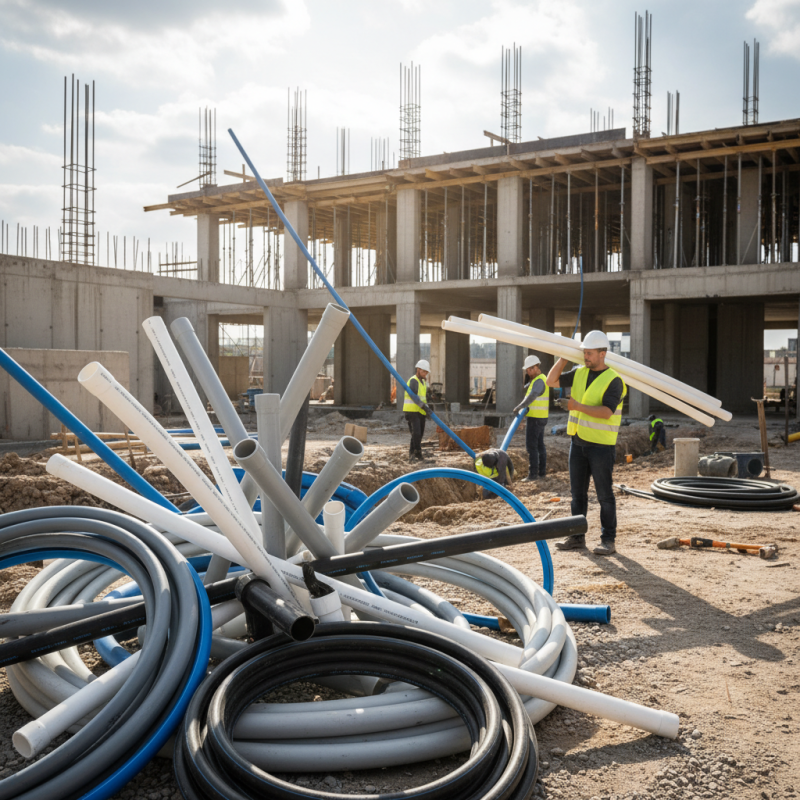
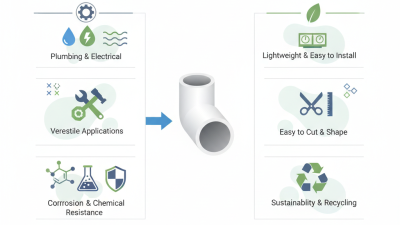
In modern construction, plastic pipe has emerged as a game changer. Its versatility offers numerous advantages that can enhance building projects. Unlike traditional materials, plastic pipe is lightweight and easy to handle. This makes installation faster and more efficient.
One of the primary benefits of plastic pipe is its resistance to corrosion. This longevity can translate into significant cost savings over time. Another important aspect is the flexibility of plastic pipe. It can adapt to various environments, making it suitable for diverse applications.
However, some may question its strength compared to metal options. While plastic pipe excels in many areas, there are essential factors that need consideration. Understanding the balance between benefits and limitations can help guide choices in construction projects. Ultimately, selecting the right material is a critical decision in achieving lasting results.
Benefits of Plastic Pipe: Cost Efficiency in Construction Projects
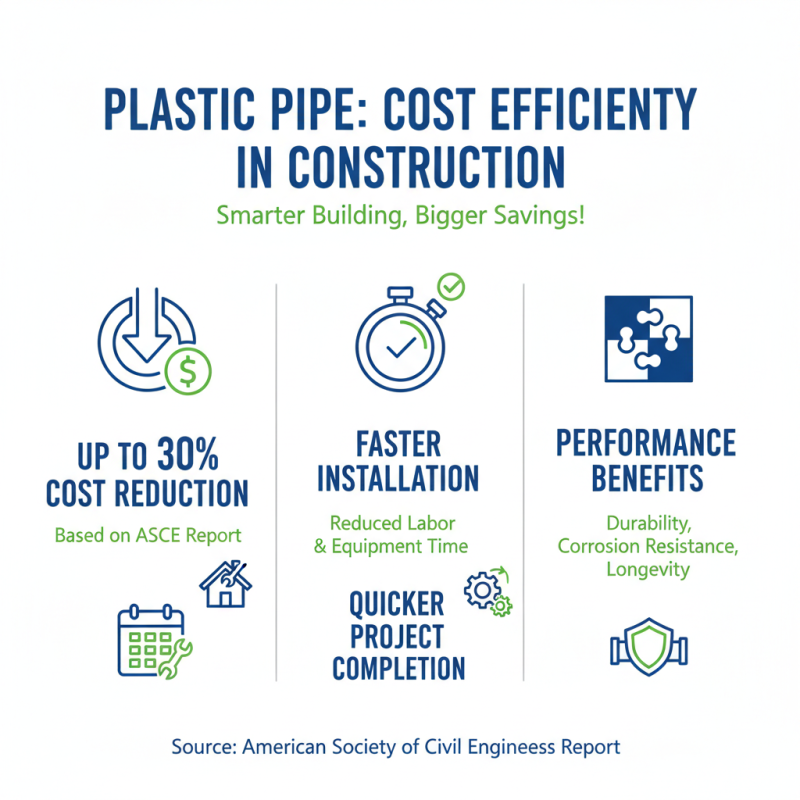
Plastic pipes have become a popular choice in construction due to their cost efficiency and performance benefits. A report by the American Society of Civil Engineers states that using plastic pipes can reduce project costs by up to 30%. This significant saving makes them an attractive option for builders and contractors. Additionally, plastic pipes require less installation time, which can lead to faster project completion.
One crucial consideration is the durability of plastic pipes. Unlike traditional materials, they are resistant to corrosion and chemicals. A study by the Plastic Pipe Institute reveals that plastic pipes can last over 100 years when installed properly. They also require minimal maintenance, further reducing long-term costs.
Tip: When selecting materials for your project, consider the long-term savings. Look for pipes with warranties exceeding 50 years.
Moreover, plastic pipes offer advantages in weight. They are lighter than metal pipes, making transport and handling easier. However, not all projects may benefit equally from their use. It's essential to evaluate project-specific needs and environmental impacts before making a decision.
Tip: Take time to review case studies. They provide real-world insights into using plastic pipes effectively in various scenarios.
Durability and Longevity: The Resilience of Plastic Pipes
Plastic pipes are gaining attention for their impressive durability and longevity in construction. Research indicates that these pipes can last over 50 years, significantly outpacing traditional materials. According to estimates by industry experts, plastic pipes resist corrosion and are unaffected by chemicals. This resilience dramatically reduces maintenance costs in the long term.
While the benefits are clear, challenges exist. Improper installation can lead to failures. A study revealed that up to 15% of plastic pipe failures stem from installation errors. Additionally, some types can become brittle in extreme temperatures. This highlights the need for proper training for workers.
The ability to withstand high pressure makes plastic pipes favorable for many applications. They can handle pressures up to 150 psi in certain settings. Such strength, coupled with their light weight, ensures easier transportation and installation. However, it's essential to consider the environmental impact of plastic production. As the industry evolves, a balance between durability and ecological responsibility is critical.
Top 10 Benefits of Using Plastic Pipe in Construction
This chart illustrates the top 10 benefits of using plastic pipes in construction, highlighting their scores based on various factors such as durability, cost-effectiveness, and longevity. Each benefit's score represents its significance in the construction industry, demonstrating plastic pipes' advantages over traditional materials.
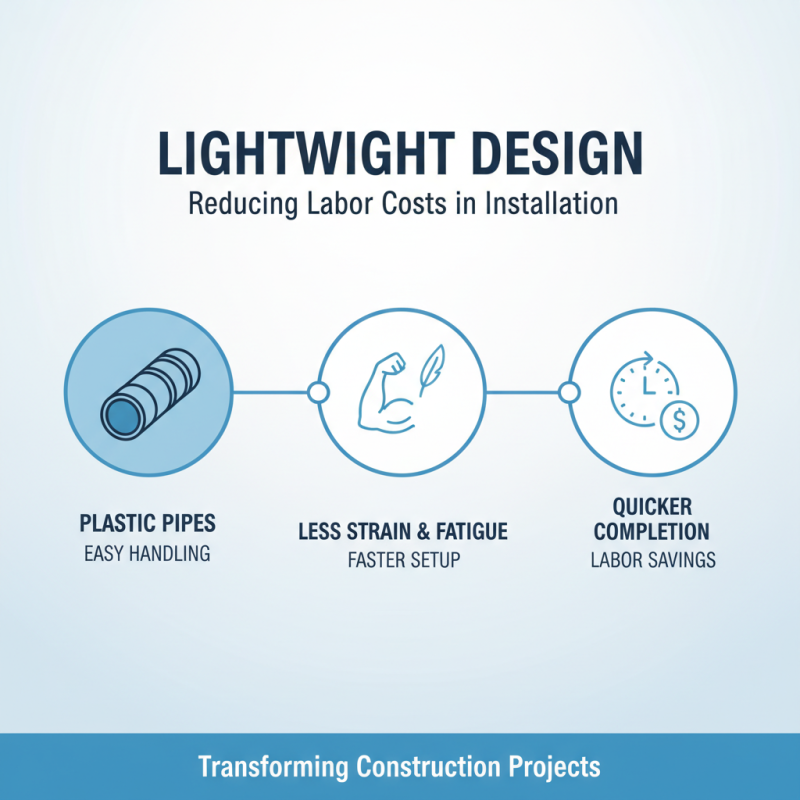
Lightweight Design: Reducing Labor Costs in Installation
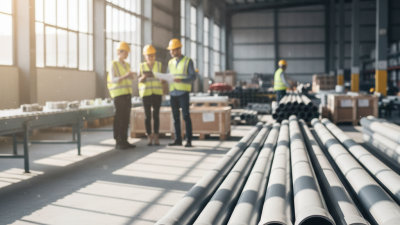
Lightweight plastic pipes are transforming construction projects. Their design significantly reduces installation labor costs. Teams can handle these pipes easily, cutting down the time spent on setups. Lifting and transporting heavy materials can be exhausting. With plastic, workers experience less strain and fatigue. This can lead to quicker project completion times, translating to savings on labor.
The practicality of plastic also extends into safety. Traditional materials often require heavy machinery for installation. This can create hazards on-site. In contrast, plastic pipes don’t need extensive equipment, reducing the risks of accidents. However, not every situation favors plastic. Extreme temperatures can affect its longevity, and not all projects may benefit from its lightweight properties. It's essential for engineers and builders to weigh these factors carefully.
Flexibility is another advantage. Plastic can bend and adapt to various layouts with ease. This flexibility allows for creative designs without the weight constraints of metal or concrete. Still, over time, some plastic types can deteriorate due to UV exposure. Proper maintenance and protection are vital for maximizing their lifespan. As construction evolves, finding the right balance between lightweight materials and their limitations will be crucial.
Corrosion Resistance: Enhancing Pipe Lifespan and Performance
Corrosion resistance is a vital feature of plastic pipes in construction. Traditional metal pipes face significant challenges due to corrosion caused by moisture and chemicals. According to a report by the Plastic Pipe and Fittings Association, corrosion can lead to up to 30% of a pipe’s lifespan being compromised. In contrast, plastic pipes, such as PVC and HDPE, remain unaffected by many corrosive environments. This property can significantly enhance the overall longevity of piping systems.
In construction projects, the decreased degradation of plastic pipes can lead to considerable cost savings. A study from the American Society of Civil Engineers indicates that maintenance and replacement costs related to corrosion can balloon to 1.2 trillion dollars annually in the U.S. alone. By choosing plastic piping, stakeholders can mitigate these financial burdens. However, the challenge lies in the proper installation and material selection. Not every type of plastic pipe is suitable for every application, requiring thorough evaluation and expertise.
While the advantages are evident, plastic pipes also have limitations. They may not always handle extreme temperatures as well as metal. Additionally, environmental factors can affect performance in some cases. The construction industry is continuously evolving, and material selection must consider these factors for optimal efficiency.
Environmental Impact: The Sustainability of Plastic Pipe in Building
The environmental impact of plastic pipes in construction presents a compelling case for their use. According to the Plastic Pipe and Fittings Association, plastic pipes can lead to a significant reduction in greenhouse gas emissions. Studies show that using PVC pipes can reduce carbon emissions by over 70% compared to traditional materials like concrete or metal. This advantage is crucial as the construction industry aims to lower its carbon footprint.
Plastic pipes are lightweight and durable, which translates to lower transportation emissions. A report by the National Institute of Standards and Technology highlights that lighter materials require less energy for transport, directly correlating with increased sustainability. However, concerns exist regarding the end-of-life impact of plastic pipes. While they are recyclable, many installation sites still rely on disposal rather than recycling.
Furthermore, the manufacturing process of plastic pipes has environmental challenges. The extraction of raw materials for plastics can contribute to pollution if not managed well. Nonetheless, when used responsibly, reinforced plastic pipes offer a practical solution for many construction challenges, promoting sustainability while also addressing durability. The balance between innovation and environmental responsibility remains essential in advancing the use of plastic in construction.