
10 Best Drying Oven Manufacturers for Global Buyers

Choosing among Drying Oven Manufacturers is not just a matter of comparing prices or brochure specifications. A drying oven may run for hours each day, so temperature stability, usable chamber space, airflow, and service access can affect routine production. A model that looks suitable online may struggle with bulky trays, uneven loads, or frequent door openings. Small details matter.

This guide introduces ten manufacturers for global buyers and considers the practical factors behind a sound shortlist. These include product range, stated temperature performance, control options, construction, customization, documentation, and access to technical support. Buyers should compare specifications against their actual materials and batch sizes, then confirm details such as calibration procedures, installation needs, and spare-part availability directly with suppliers. A compact benchtop unit and a large industrial oven serve different needs; neither is automatically the better choice.

A shortlist is only a starting point. Manufacturer claims can be useful, but they do not replace a clear quotation, written specifications, and answers to application-specific questions. Even a well-built oven may disappoint if its chamber is poorly matched to the process. That deserves a second look. The manufacturers discussed here offer different approaches, and their suitability will depend on the buyer’s operating conditions, budget, and support requirements. This overview is intended to help readers ask sharper questions, not to suggest that one supplier fits every facility.
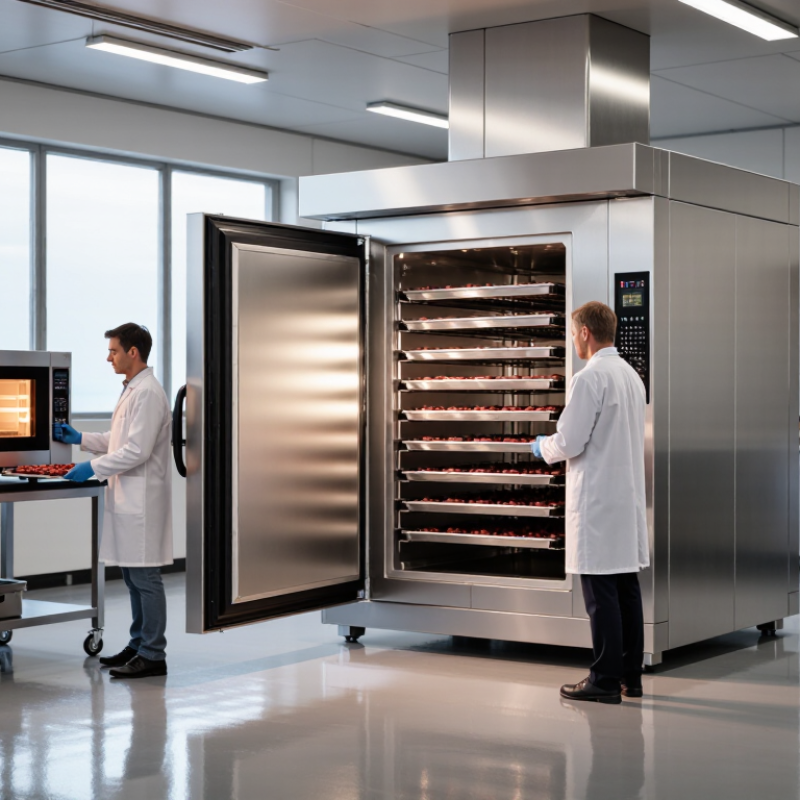
10 Best Drying Oven Manufacturers for Global Buyers

What Drying Ovens Are and How They Work

Drying ovens are insulated chambers that use controlled heat and airflow to remove moisture from materials. A heater warms the chamber, while fans may move air across shelves or trays. This helps carry moisture away from exposed surfaces. Airflow matters. Without enough space between items, drying can become uneven.

Many ovens use temperature sensors and adjustable controls to maintain operating conditions. Some models rely on natural air movement; others use forced convection for more even circulation. The right method depends on the material, its thickness, and the required finish. A set temperature alone does not prove that every item is dry. Operators should follow material guidance and check results with suitable measurements. It is easy to assume a load is uniform, but dense or overlapping items may need more time.

Tips: Arrange samples with visible gaps, avoid blocking vents, and record temperature and drying time. Check the load at several points when consistency matters. Start with a small test batch if the material is unfamiliar, then adjust carefully. Overheating can damage sensitive materials, so a lower setting may be worth testing.


How drying ovens work: Warm air helps moisture evaporate from materials. This chart shows water’s saturation vapor pressure, which rises with temperature; actual drying performance also depends on airflow, humidity, material, and oven settings.

Key Criteria for Evaluating Drying Oven Manufacturers

Choosing a drying oven manufacturer starts with the process, not the catalog. Ask for temperature-uniformity data at your actual load size, shelf layout, and operating range. A chamber that reads 100°C at its sensor may still show cooler corners when trays are crowded. Request test methods, calibration records, and clear acceptance limits. Small details matter. Also check airflow design, insulation, controller alarms, and whether chamber materials suit your samples.

Tips: Send the supplier a representative load description, including container type, moisture level, and batch weight. Ask what changes when the oven runs near full capacity. Confirm installation needs, operator training, spare-part availability, and typical service response times in your region. Get answers in writing.

Compare quotations against the same technical requirements; a low purchase cost can hide high energy use or lengthy recovery times. Review how the unit performs after the door opens and whether data can be exported for routine records. Discuss failure scenarios, such as a sensor fault or uneven drying, before signing. Not every supplier will provide identical evidence. That gap deserves a second look. No checklist guarantees a perfect fit; pilot testing with representative samples may reveal issues that specifications miss.

Ten Drying Oven Manufacturers Serving Global Buyers

Global buyers comparing ten drying oven manufacturers should look beyond chamber size. The right supplier can document temperature uniformity, usable load volume, airflow design, and control accuracy. Ask for test conditions, not just a quoted tolerance. A probe map across a loaded chamber is more useful than a single empty-chamber reading. Small details matter: tray spacing, door seals, and how quickly parts cool after a cycle.

Energy performance also deserves scrutiny. The U.S. Department of Energy’s 2015 Improving Process Heating System Performance sourcebook estimates that process heating accounts for about 70% of manufacturing process energy use. This makes insulation, heat recovery, and cycle programming practical comparison points. Global service coverage matters, too. Buyers should confirm commissioning support, spare-part lead times, manuals, and training in the operating region. Ask how performance is verified after installation.

Not every supplier publishes comparable test data. That makes ranking difficult. A careful review of ten manufacturers should separate standard equipment from custom-built systems, then check references in similar industries and load conditions. Request a sample batch record. It can reveal uneven heating that a polished specification sheet may miss. Be cautious with broad efficiency claims; real results depend on product mass, moisture, loading pattern, and operator practice.

Comparing Product Ranges, Certifications, and Support

When comparing drying oven manufacturers, start with the product range, not the catalogue’s longest feature list. Check whether standard models cover your sample size, temperature range, and daily workload. Small benchtop units suit limited batches; larger chambers need practical shelf spacing and consistent airflow. Ask for temperature-uniformity data at the working load, not only an empty-chamber result. Details matter.

Certifications deserve careful reading. Confirm which standards apply to the exact model and electrical configuration, and request current documentation rather than relying on a general company statement. Calibration records, test reports, and clear operating manuals help assess technical reliability. Requirements can vary by destination and application, so buyers should verify local expectations with qualified personnel. A certificate alone does not prove the oven will fit a particular process.

Support can shape the real cost of ownership. Compare warranty terms, spare-part availability, installation guidance, and response times across time zones. Ask how service teams handle a failed sensor or a door seal that no longer closes evenly. Small problems become costly when parts take weeks to arrive. A live demonstration or reference call may reveal more than polished product photos. Even careful comparisons leave gaps; delivery timelines and service quality can change after purchase, so record commitments in writing.

10 Best Drying Oven Manufacturers for Global Buyers - Comparing Product Ranges, Certifications, and Support

An anonymized buyer’s comparison of ten common manufacturer specializations. These are supplier categories, not named or ranked companies; certifications and service coverage must be verified for the specific model and destination market.

Supplier specialization Typical product range Useful features to compare Certifications and documents to verify Support questions for global buyers
1. Laboratory general-purpose ovens Benchtop and cabinet ovens for routine drying, heating, and conditioning. Usable chamber volume, temperature range and uniformity, timer, over-temperature protection. Destination-market electrical conformity; manuals and test data. Ask whether temperature mapping is available. Local installation, spare-part availability, warranty terms, and response times.
2. Industrial batch-oven manufacturers Floor-standing or walk-in ovens for batch processing and larger loads. Load capacity, airflow design, door configuration, heat-up and recovery performance. Applicable machinery and electrical safety documentation; confirm requirements for the installation country. Site survey, commissioning, operator training, and service availability for the installed system.
3. Cleanroom and electronics-process oven specialists Ovens configured for clean manufacturing or electronics drying and curing workflows. Air cleanliness options, controlled airflow, programmable profiles, and compatible materials. Request material and cleanliness specifications, control-system records, and applicable electrical documentation. Ask about cleanroom-compatible installation, process qualification, and replacement filters or components.
4. Vacuum drying oven manufacturers Vacuum ovens for drying materials where reduced-pressure processing is required. Vacuum level, chamber size, seal materials, temperature control, and pump compatibility. Request pressure-vessel or chamber documentation where applicable, electrical conformity, and operating instructions. Clarify pump supply, maintenance responsibilities, consumables, and regional technical support.
5. Flammable-solvent drying oven specialists Ovens engineered for specified solvent-related processes and risk controls. Exhaust and ventilation design, monitoring, interlocks, and suitability for the process hazard. Require a documented hazard review and confirmation of applicable local codes; do not infer suitability from a general oven certificate. Confirm application engineering, site ventilation requirements, commissioning, and safety training.
6. High-temperature oven manufacturers Ovens designed for elevated-temperature drying, heating, or materials processing. Maximum operating temperature, insulation, heating elements, uniformity, and cooling behavior. Verify the rated operating conditions, electrical safety documentation, and any process-specific validation records. Check element replacement lead times, maintenance guidance, and availability of qualified service technicians.
7. Pharmaceutical and regulated-process oven suppliers Configured systems for documented processes in regulated manufacturing environments. Recipe management, access controls, audit-trail options, data records, and validation support. Request validation documentation and assess applicable regulatory requirements; equipment alone does not establish process compliance. Ask about qualification support, documentation updates, training, and software service lifecycle.
8. Food and agricultural drying-equipment manufacturers Cabinet, tray, or larger drying systems for specified food or agricultural applications. Tray capacity, airflow distribution, cleanability, moisture-removal requirements, and product handling. Verify food-contact materials where relevant and check local hygiene, electrical, and machinery requirements. Confirm cleaning instructions, spare trays and seals, installation support, and operator training.
9. Custom-engineered oven builders Application-specific chambers, conveyors, controls, or integrated production systems. Documented process requirements, integration interfaces, throughput, and maintainability. Request a compliance matrix identifying which standards apply to the complete system and each supplied component. Establish project milestones, acceptance tests, documentation scope, and long-term parts support.
10. OEM and private-label oven suppliers Standard or configurable units sold through distributors or under customer labels. Model consistency, customization limits, control options, and traceability of supplied units. Check that declarations and test reports identify the actual manufacturer, model, and applicable market. Identify who handles warranty claims, technical questions, parts, and service in the destination country.

Certification note: CE or UKCA marking concerns applicable market conformity; UL or CSA certification depends on the product and intended market. ISO 9001 applies to an organization’s quality-management system, while ISO/IEC 17025 applies to testing or calibration laboratories. None should be assumed for a particular oven without checking current, model-specific documentation.

How to Select a Manufacturer for Your Application

10 Best Drying Oven Manufacturers for Global Buyers

How to Select a Manufacturer for Your Application

Start with the material and process, not a catalog headline. A drying oven for delicate components may need gentle airflow, while dense loads can require stronger circulation. Ask manufacturers for the usable chamber dimensions, temperature range, and uniformity data under stated test conditions. Check whether those figures apply to an empty chamber or a representative load. That difference matters.

Tips: Request a sample test using your actual containers and load pattern. Confirm calibration options, door-seal replacement, spare-part availability, and response times for technical support. Get the service terms in writing.

Compare construction and controls against your working environment. Stainless steel interiors can simplify cleaning, but finish and weld quality still deserve inspection. Ask how alarms work and whether settings can be recorded for routine checks. For larger installations, confirm electrical requirements, ventilation needs, delivery access, and operator training before ordering. A polished brochure can still leave practical questions unanswered. I would also ask for references from users with similar materials and batch sizes; comparable use is more informative than a long feature list.

Request Quote

Sign Up