
Choosing the best Park Music Fountain in 2026 means looking beyond height, color, and spectacle. A polished show may draw a crowd, but visitors also notice whether music carries clearly, water patterns stay visible, and seating offers an unobstructed view. Small details matter. So does the experience after the first song.
The National Recreation and Park Association’s 2024 Engagement with Parks report found that 84% of U.S. adults consider local parks, trails, and open spaces important to their quality of life. That finding does not measure fountain preferences, but it underscores the public value of inviting park spaces. The TEA/AECOM 2023 Theme Index reported a 23.1% attendance increase across the world’s 25 most-visited theme parks. Those figures describe different settings, yet both offer useful context: people make time for shared outdoor experiences. A fountain can still disappoint. Poor sound coverage, inaccessible paths, or frequent maintenance problems can weaken an otherwise beautiful show. This guide compares practical criteria, including choreography, water and lighting quality, accessibility, operating demands, and fit with the surrounding park. No single design suits every site. The strongest choice is the one that works for its visitors, budget, and setting—and keeps working after opening night.
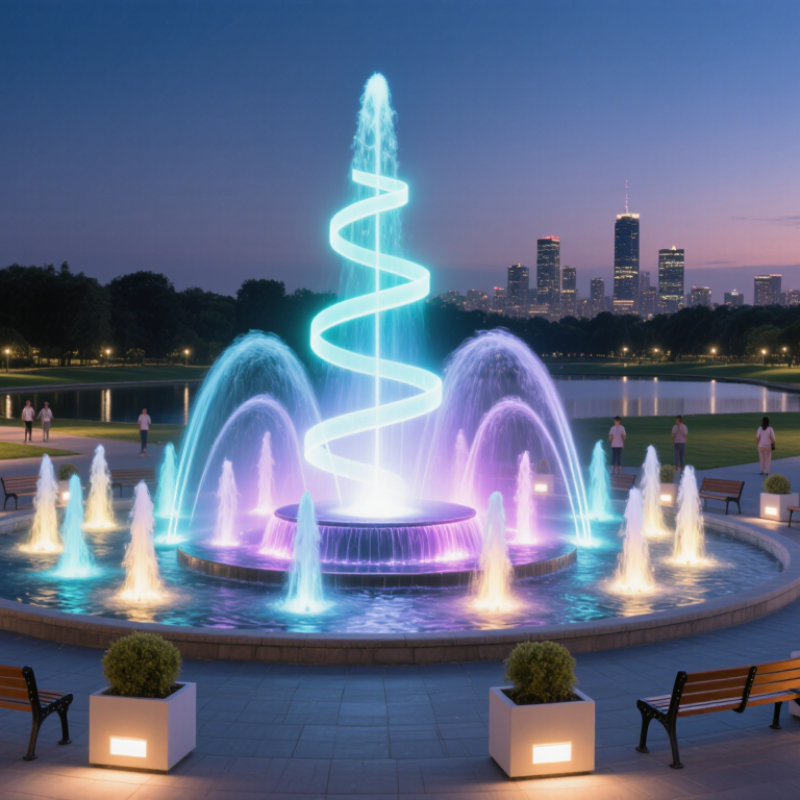
A park music fountain combines water jets, music, lighting, and a programmed control system. Pumps move water through pipes to nozzles, which shape the streams into arcs, columns, or fine sprays. Valves adjust water flow, while controllers coordinate each effect with the music’s rhythm and volume. Some fountains also use colored lights, adding detail after sunset. The effect can feel surprisingly immersive. Yet it depends on careful design, not just powerful pumps.
Tips: Watch from several viewing spots. Check whether the speakers are clear without overpowering conversation. Notice if the spray drifts toward paths on a breezy day. Small details matter.
In practice, the system follows a prepared sequence: sensors or software send commands to pumps, valves, and lights at chosen moments. The timing may be precise, but it is not magic; maintenance, weather, and water quality can affect performance. A well-planned fountain should suit its park, with safe paths, accessible viewing areas, and sound levels appropriate for the setting. Sometimes a quiet interval feels better than nonstop effects. That balance is easy to overlook.
| Feature or System | How It Works | What to Look For in a Park | Visitor Experience | Practical Consideration |
|---|---|---|---|---|
| Music and show controller | A programmed controller coordinates the music track with cues for pumps, valves, lights, and other show equipment. | Look for well-timed transitions, clear sound, and a schedule that is easy to find. | Creates the structure of the performance and helps water and lighting changes follow the music. | Outdoor audio and electrical equipment need suitable weather protection and routine inspection. |
| Pumps and water circulation | Pumps move water from a basin or reservoir through pipes to fountain nozzles. Water commonly returns to the basin for recirculation. | Observe whether the water display appears steady and whether the basin area is kept clean. | Provides the water flow needed for jets, sprays, and other fountain effects. | Filters, pump strainers, and water-quality controls help manage debris and maintain operation. |
| Nozzles and water patterns | Nozzle shape and water pressure influence the form of the display, such as vertical jets, arcs, or fan-shaped sprays. | A varied show can combine different patterns while keeping water within the intended display area. | Creates visual variety and gives the performance movement and scale. | Wind can affect spray direction, so site layout and operating conditions matter. |
| Variable-speed pumps and valves | Controls can change pump output or open and close valves to adjust water flow during a sequence. | Look for changes in height and intensity that appear deliberate and synchronized with the soundtrack. | Allows the display to shift between calmer passages and more energetic moments. | Moving equipment and controls require maintenance; operating settings should suit the fountain's design. |
| Lighting | Submersible or suitably protected lights illuminate water from within or around the basin. Color and intensity may be controlled as part of the show. | Even illumination and good visibility after dark can make the water patterns easier to see. | Adds contrast and color, particularly during evening performances. | Electrical components near water need appropriate installation, protection, and inspection. |
| Sound system | Speakers reproduce the soundtrack for the audience; system layout and sound levels affect how evenly it can be heard. | Choose a viewing area where the music is clear without being uncomfortably loud. | Connects the visual sequence to the music and makes the show easier to follow. | Outdoor sound can be affected by distance, nearby activity, and local noise requirements. |
| Basin, drainage, and water management | The basin collects returning water. Drainage and water-management equipment support cleaning, circulation, and safe operation. | A clean, well-maintained viewing area is a useful sign of attention to upkeep. | Provides the foundation for a reliable display and a comfortable park setting. | Water loss, debris, seasonal weather, and cleaning needs should be considered in ongoing operations. |
| Accessibility and viewing areas | Paths, seating, and designated viewing spaces determine how visitors approach and enjoy the performance. | Look for step-free routes, clear sightlines, seating options, and space for different visitor needs. | Makes the show more comfortable and welcoming for a wider range of visitors. | Viewing areas should be planned around circulation, wet surfaces, and the fountain's operating zone. |
| What makes a park music fountain “best”? | There is no single universal ranking: a strong experience combines coordinated programming, dependable operation, suitable sound and lighting, and a well-maintained public space. | Consider show quality, accessibility, cleanliness, reliable schedules, and how well the design fits the park. | The best fit is the fountain that offers an enjoyable, coherent show in a setting visitors can comfortably use. | Features and schedules vary by location; check the park's current visitor information before planning a visit. |
A park music fountain combines water, sound, lighting, and control equipment. Its exact design, show schedule, and operating features vary by site.