2026 Best Plastic Water Pipe Options for Global Buyers?
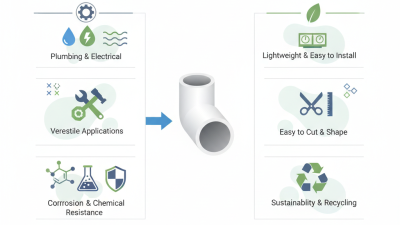
The demand for plastic water pipes continues to surge globally as industries seek durable and cost-effective solutions. According to recent market reports, the plastic pipe market is projected to reach $80 billion by 2026. Consumers increasingly favor plastic water pipes due to their lightweight and corrosion-resistant properties. They offer a versatile alternative to traditional materials like metal.
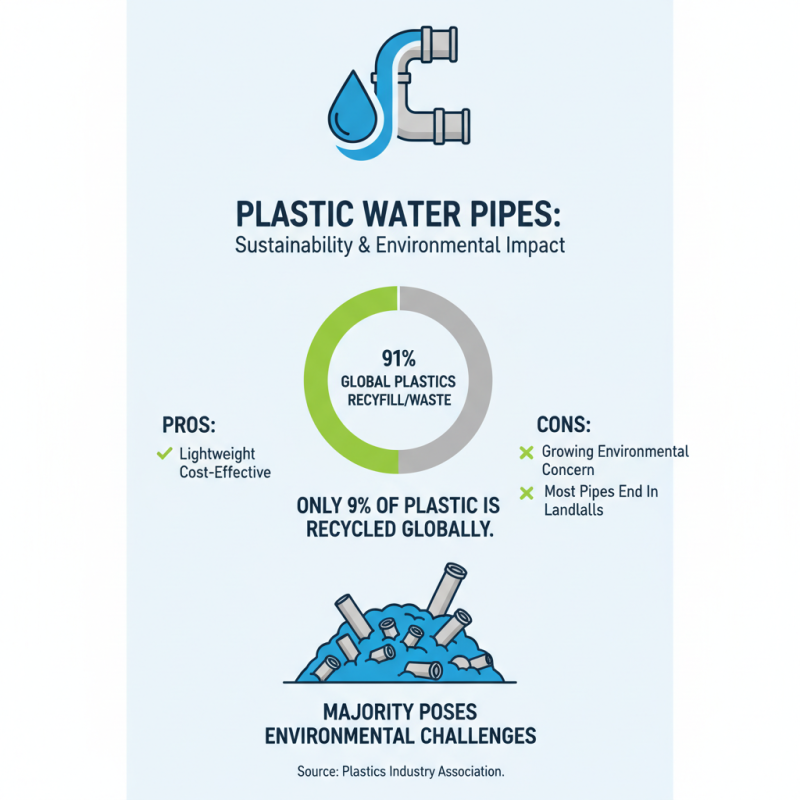
However, while plastic water pipes present numerous advantages, there are also concerns to consider. The environmental impact of plastic waste is a pressing issue. Some studies indicate that only 9% of plastic waste is recycled. This underscores the necessity for sustainable practices in production and disposal. Manufacturers are exploring biodegradable options, yet these innovations are still in early stages.
As the market evolves, global buyers must navigate through a variety of choices. Understanding the varying qualities and types of plastic water pipes is crucial. Selecting the best options requires careful consideration of reliability and safety standards. Balancing performance and environmental responsibility remains a challenge. This ongoing dialogue within the industry is vital for fostering innovation and sustainability.
Overview of Plastic Water Pipes: Types and Materials
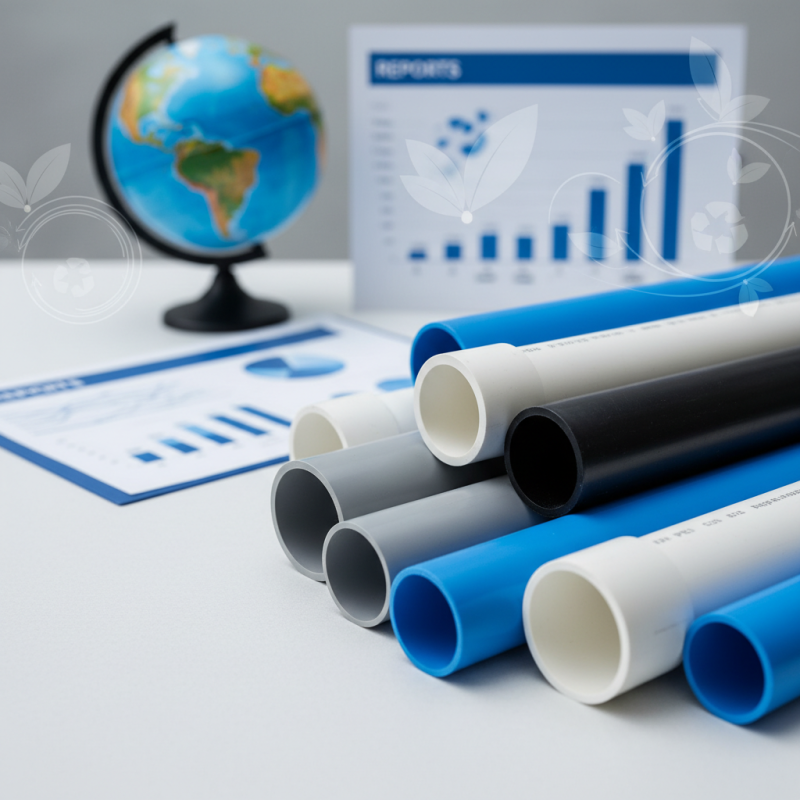
Plastic water pipes come in various types and materials. Each type serves a specific purpose. Knowing the differences can help you make an informed choice.
One common type is PVC (Polyvinyl Chloride). It's light, strong, and resistant to corrosion. Many industries prefer PVC because it's easy to install. However, its temperature tolerance is limited. This might not be suitable for hot applications.
Another option is HDPE (High-Density Polyethylene). It offers excellent flexibility and durability. HDPE pipes resist impact and stress, making them ideal for underground installations. They can endure harsh conditions. However, HDPE can be more expensive than other materials. Lastly, PP (Polypropylene) pipes are also prevalent. They are resistant to chemicals and do not rust. However, they may not provide the same strength as PVC or HDPE. Understanding these materials can help in choosing the right option for your needs.
Key Features to Consider When Choosing Plastic Water Pipes
When selecting plastic water pipes, key features play a vital role in ensuring performance and longevity. Material quality is paramount. High-density polyethylene (HDPE) is a common choice due to its resistance to corrosion and environmental stress. According to recent industry reports, HDPE pipes can last over 50 years under optimal conditions. Their flexibility also allows for easier installation in various terrains.
Size and pressure ratings are crucial as well. Buyers should carefully consider the pipe diameter and the maximum operating pressure. A study by the Plastic Pipe Institute indicated that choosing the correct size minimizes the risk of leaks and failures. Improper sizing can lead to costly repairs. Additionally, look for pipes with NSF certification for safety and reliability.
Environmental impact is another consideration. Some plastic pipes contain recycled materials, reducing their ecological footprint. However, not all recyclables derive from sustainable sources. Research suggests that consumers should prioritize eco-friendly options when feasible. Balancing cost with sustainability is often challenging, yet essential for long-term benefits.
2026 Best Plastic Water Pipe Options for Global Buyers
This chart displays the key features of top plastic water pipe options available for global buyers in 2026, including material durability, flexibility, temperature resistance, and cost-effectiveness.
Top 2026 Brands and Manufacturers for Plastic Water Pipes
The plastic water pipe market is experiencing significant growth, driven by advancements in materials and production technologies. According to recent industry reports, the global plastic pipe market is projected to reach $17 billion by 2026. This increase highlights a rising demand for durable and lightweight solutions in various applications, from irrigation to construction.
Leading brands are emerging with innovative designs that enhance water flow efficiency and reduce leakage risks. Many manufacturers are focusing on eco-friendly materials, aligning with global sustainability trends. A study from the International Plastic Pipe Association emphasizes that the adoption of recycled plastic materials is increasing, contributing to a circular economy. However, manufacturers face challenges in ensuring the quality and reliability of recycled inputs.
While several companies have introduced advanced manufacturing processes, there are ongoing concerns about product consistency. Quality control measures are vital. Data indicates that 15% of plastic pipes currently fail to meet industry standards. Buyers should carefully assess manufacturer reputations and certifications before making purchases. The landscape is evolving, yet quality remains a crucial factor for successful implementation.
Global Market Trends: Demand and Supply of Plastic Water Pipes
The global demand for plastic water pipes is on the rise. According to the latest market research, the plastic pipe market is projected to grow by 6% annually from 2021 to 2026. This growth is driven by increased urbanization and infrastructure development. Notably, plastic pipes are preferred due to their lightweight nature and resistance to corrosion.
Supply dynamics are also evolving. Recent data shows that countries in Asia-Pacific dominate production, accounting for over 40% of the market share. This region benefits from lower manufacturing costs and advanced technology. However, the supply chain is facing challenges. Fluctuations in raw material prices are affecting production. Manufacturers are urged to find sustainable solutions to ensure long-term growth.
Moreover, the industry is increasingly focusing on environmental concerns. Consumers are seeking more eco-friendly options. This shift demands innovative materials and recycling processes. Industry experts stress that adapting to market trends is crucial for manufacturers. Companies must balance demand while considering environmental impact. Addressing this challenge will define future market leaders.