
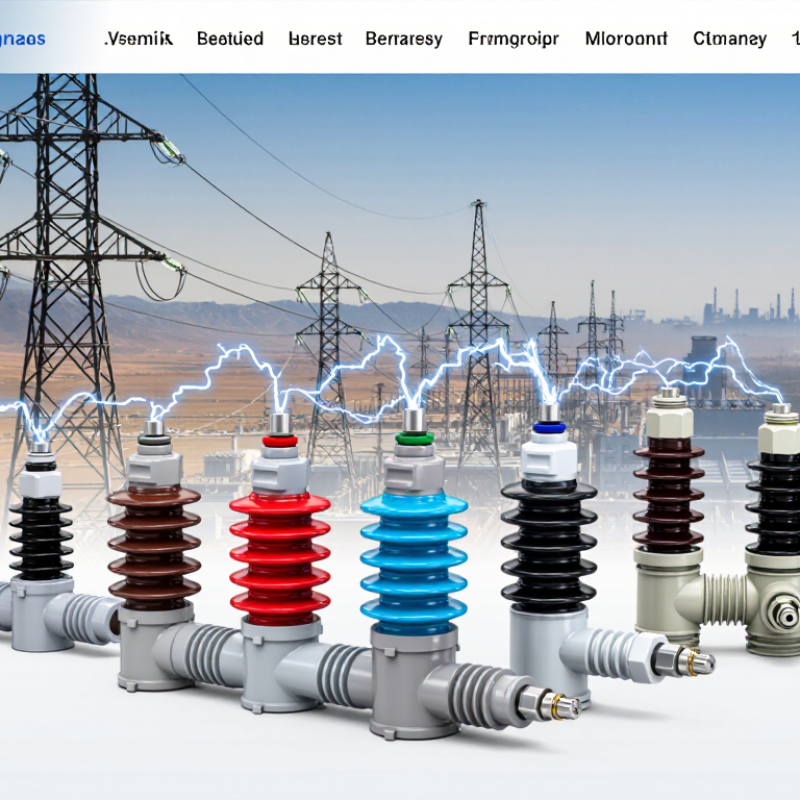
When comparing polymeric surge arresters, global buyers should begin with electrical fit, not catalog appearance. Check the continuous operating voltage, rated voltage, and residual voltage at the expected discharge current. A lower residual voltage can improve equipment protection, but only when the arrester remains stable during normal system stress. Energy capability also matters. Lines with repeated switching events may need greater thermal and mechanical margins than simple distribution feeders.
Environmental conditions often decide long-term reliability. Review creepage distance for pollution levels, altitude correction, ultraviolet exposure, humidity, and salt contamination. The polymer housing should resist tracking and erosion after years of outdoor service. Hydrophobicity is useful, but it is not magic. Inspectors should still check seals, bonding hardware, and signs of surface cracking. Measure it cold.
Global procurement adds practical tests. Ask for routine and type-test evidence, traceable serial records, clear installation instructions, and documented quality controls. Confirm that test reports match the exact design, not a similar-looking model. International standards provide a common language, yet local grid practices can differ. A technically compliant arrester may still be poorly matched to an unusual earthing system or transformer arrangement.
Field teams should examine separation distances and connector torque during installation. Small errors can reduce protection performance. Buyers should also compare replacement access, packaging strength, training support, and expected service life. A spreadsheet can still mislead. Price is visible; thermal ageing, transport damage, and inspection time are not. Independent verification is worthwhile when failure would interrupt a critical facility.