
What Is the Best Soft Lamination Machine from China?

Choosing the best Soft Lamination Machine from China requires more than comparing advertised speed. Flexible packaging is expanding worldwide. Grand View Research valued the global flexible packaging market at approximately USD 261.32 billion in 2022. Its report forecasts a 4.1% compound annual growth rate from 2023 to 2030. These figures indicate stronger demand for reliable film bonding, efficient production, and consistent quality.

Performance matters on the factory floor. A machine may claim 300 meters per minute, yet unstable web tension can create wrinkles beside a 1,200-millimeter roll. Buyers should examine solventless or solvent-based options, adhesive coating accuracy, curing performance, automatic splicing, and energy consumption. The Smithers report, The Future of Global Flexible Packaging to 2028, also highlights sustainability and material efficiency as important industry directions. That makes waste control and low-energy operation practical selection criteria, not marketing decoration.

The best machine depends on your films, adhesives, production volume, and technical support needs. Ask Chinese suppliers for factory acceptance records, coating uniformity data, maintenance intervals, and test samples using your actual materials. Check whether electrical systems, guarding, and documentation match recognized safety expectations, including applicable ISO practices and CE requirements for relevant markets. A polished brochure is not enough. I have seen specifications look excellent until operators faced difficult tension adjustment and slow spare-parts delivery. A careful evaluation should compare total operating cost, training, warranty response, and local service. This guide examines those details and explains how to identify a dependable Soft Lamination Machine for real production conditions.
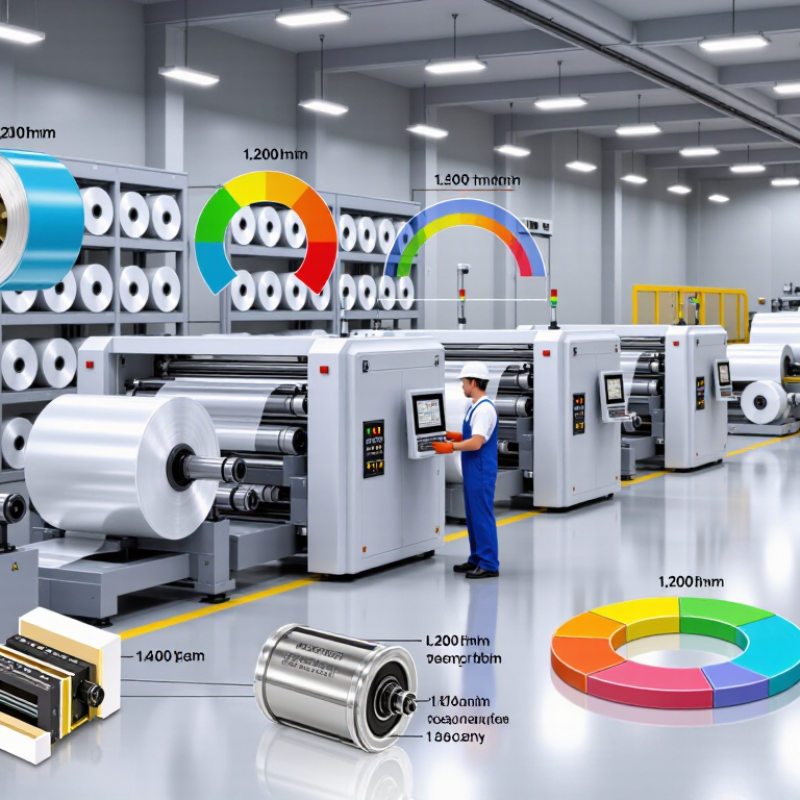
What Is the Best Soft Lamination Machine from China?

What Is a Soft Lamination Machine?

What Is the Best Soft Lamination Machine from China?

What Is a Soft Lamination Machine?

A soft lamination machine bonds flexible materials into a stronger, functional composite. It commonly joins films, fabrics, foils, foam, paper, or nonwoven layers. Unlike rigid laminators, it uses controlled pressure and moderate heat, or adhesive coating, to protect flexible surfaces.

In practical production, the machine may include unwinding rollers, tension controls, a coating unit, heated rollers, and a rewinding system. These parts must work smoothly together. Uneven tension can create wrinkles, bubbles, or edge movement. Temperature control also matters because excessive heat may shrink film or damage sensitive fabric. From factory testing experience, stable web alignment often matters more than impressive maximum speed. A fast machine is not useful when the finished roll needs repeated correction.

Tips: Ask for sample trials before purchasing. Test your actual film, adhesive, and fabric combination. Check bonding strength, roll hardness, tension accuracy, and cleaning time. Request recorded speed tests, not only catalog figures. A clear service agreement is valuable, especially when spare parts and operator training come from China.

The best machine depends on your materials and daily output. Solvent-free systems may suit cleaner production environments, but adhesive selection remains critical. Some suppliers describe every model as “high precision.” That claim needs evidence. I would compare several test rolls, inspect the edges closely, and review long-term maintenance records before making a decision.


What Is the Best Soft Lamination Machine from China?

Typical reference specifications used to evaluate soft lamination machines

A soft lamination machine bonds flexible materials such as plastic films, paper, foil, and nonwoven substrates using adhesive, heat, or pressure. When comparing equipment, buyers commonly review web width, production speed, coating weight, curing temperature, and setup time. The values shown are representative reference points for commercial flexible-packaging applications; exact specifications should be confirmed with the equipment supplier.

How Does a Chinese Soft Lamination Machine Work?

A soft lamination machine joins flexible films, foils, fabrics, or printed layers without damaging their surfaces. Chinese machines often combine controlled unwinding, web guiding, adhesive coating, heating, and pressure rollers.

The process starts when separate material rolls unwind at matched speeds. Tension sensors keep each layer stable. Guiding sensors correct sideways movement. At the lamination station, heated rollers soften the adhesive or activate a prepared coating. Pressure then spreads the bonding layer across the web. This creates a smooth, continuous bond.

Temperature matters greatly.

Too much heat can distort thin film. Too little heat may cause weak adhesion or bubbles. Operators usually adjust roller pressure, line speed, and drying time together. Not every setting transfers well between materials. Some films wrinkle during the first trial, even when the machine appears properly calibrated.

After bonding, the material passes through cooling rollers and enters a rewinding unit. Technicians inspect edge alignment, surface clarity, peel strength, and roll tightness. They also record temperature and tension readings for later comparison. This traceable approach supports consistent production and easier troubleshooting.

A practical weakness is that some machines offer limited adjustment ranges. That can waste material during testing. I would request sample trials, maintenance records, and a clear operating manual before purchase. Small adjustments often improve results, but inexperienced handling can still create uneven edges. Responsive technical support matters during those adjustments.

Which Features Define the Best Soft Lamination Machine?

What Is the Best Soft Lamination Machine from China?

Which Features Define the Best Soft Lamination Machine?

The best soft lamination machine should deliver stable bonding, accurate coating, and gentle film handling. These features matter in food, medical, and household packaging. Grand View Research valued the global flexible packaging market at about USD 268.82 billion in 2023. Its report also projects continued growth through 2030. This growth increases pressure on converters to reduce waste and maintain consistent output.

Look for automatic tension control, precise adhesive metering, and fast curing adjustment. A quality machine should maintain even pressure across the web. It should also control wrinkles when handling thin films. Solventless systems can reduce drying demands, but they require careful adhesive temperature control. Smithers’ 2024 flexible packaging analysis highlights sustainability, lightweight structures, and production efficiency as major industry priorities. Energy monitoring is therefore useful, not decorative. A touchscreen looks impressive. It does not prove accuracy. Ask for coating-weight records and trial samples before purchasing. My own concern is often overlooked: operators may need more training than expected.

Tips: Check tension stability at low speeds and during acceleration. Request a factory trial using your actual film structure. Measure bond strength after curing, not immediately. Review spare-part access, technical training, and remote support. A lower price can become expensive when downtime, rejects, and slow troubleshooting are included. For reliable sourcing, compare documented test results rather than sales promises.

What Is the Best Soft Lamination Machine from China? - Which Features Define the Best Soft Lamination Machine?

Evaluation Dimension Entry-Level Configuration Professional Configuration Industrial Configuration Best-Practice Target
Typical application Samples, short runs, customized packaging Flexible packaging and regular production Continuous, high-volume film lamination Configuration matched to product volume and film structure
Maximum web width 600–800 mm 1,000–1,300 mm 1,300–2,000 mm Select a width at least 5–10% wider than the largest regular web
Practical production speed 20–80 m/min 80–180 m/min 150–300 m/min Verify speed at the actual film thickness, adhesive, and curing conditions
Compatible film thickness 12–150 microns 10–200 microns 8–250 microns Use adjustable nip pressure and tension for thin and high-barrier films
Lamination method Solventless or water-based Solventless, water-based, or solvent-based options Process-specific multi-method configuration Choose the coating system according to adhesive chemistry and compliance needs
Nip pressure control Manual or basic pneumatic adjustment Pneumatic proportional control Closed-loop pressure monitoring and recipe control Stable, repeatable pressure across the full web width
Web tension accuracy Approximately ±5% Approximately ±2% Approximately ±1% with automatic control Low and consistent tension to reduce wrinkles, curl, and web breaks
Coating weight range 1.0–4.0 g/m² 1.0–3.0 g/m² for typical solventless work 0.8–3.0 g/m² with precision metering Confirm coating uniformity at the minimum specified coat weight
Temperature control Single-zone control, typically up to 80°C Multi-zone control, typically up to 120°C Multi-zone control with automatic feedback Uniform roller temperature with fast warm-up and over-temperature protection
Registration and edge control Manual edge guide Automatic web guide with ultrasonic or photoelectric sensor Automatic web guide with edge or line-scan monitoring Automatic correction without damaging thin film edges
Unwinding and rewinding Basic shaft or pneumatic chuck Pneumatic shaft with automatic tension taper Turret or shaftless system with automatic roll change Roll handling system suited to roll diameter, weight, and changeover frequency
Control system Basic PLC and touchscreen PLC, touchscreen recipes, alarms, and data display PLC, motion control, production records, and remote diagnostics Password-protected recipes, clear alarms, and accessible operating data
Quality indicators Basic visual inspection Improved control of wrinkles, bubbles, and coating variation In-line defect detection and process trend monitoring Documented bond strength, appearance, thickness, and dimensional stability
Energy and maintenance Low initial cost; more manual cleaning and adjustment Balanced energy use and maintenance access Higher automation with heat recovery or optimized drives where available Accessible rollers, quick-clean coating parts, efficient motors, and common spare parts
Best selection priority Affordable entry and flexible trial production Stable quality, versatility, and reasonable operating cost Maximum output, automation, and low downtime The best machine is the one that meets the required film range, tension stability, coating accuracy, safety standard, and after-sales support level.
Note: Technical ranges are typical selection benchmarks for soft-film lamination equipment. Actual performance depends on film materials, adhesive chemistry, roll dimensions, production speed, operator settings, and required product standards.

How to Compare Chinese Manufacturers and Models?

When comparing Chinese soft lamination machine manufacturers, I start with the application, not the advertised speed. A machine for flexible packaging may need different tension control from one used for labels or printed sheets. Check working width, maximum roll diameter, lamination thickness, heating range, and compatible film types. Ask for a complete sample run using your actual materials. Short videos are not enough.

Model comparisons should include more than motor power. Examine unwinding stability, roller pressure control, temperature accuracy, edge alignment, and emergency stopping performance. A reliable model should maintain steady tension when the roll becomes smaller. Inspect the control interface during a factory demonstration. Can an operator change settings without confusion? Small details matter. Request records from similar installations, maintenance intervals, and spare-part availability.

Manufacturer evaluation needs practical evidence. Review production quality, electrical assembly, inspection procedures, and export documentation. Speak with recent customers, preferably those using similar films and production volumes. Ask how quickly technical support responds across time zones. Warranty terms may look generous, yet unclear exclusions can create problems.

I also prefer a factory acceptance test with measurable standards. My own comparison process is not perfect; I sometimes give too much attention to initial price. That mistake can hide training costs, unstable output, or difficult upgrades. A lower-cost machine may still be suitable, but only when its test results and service commitments are clearly documented.

How to Choose the Right Machine for Your Production Needs?

Choosing the best soft lamination machine from China starts with your production profile, not the catalog speed. A machine rated at 400 meters per minute may perform poorly with thin films, uneven adhesive, or frequent job changes. Measure your usual web width, substrate thickness, adhesive type, roll diameter, and daily output. Small details matter.

Smithers’ report, The Future of Global Flexible Packaging to 2028, identifies steady growth in flexible packaging demand worldwide. This trend increases pressure to reduce material waste and improve line stability. Therefore, examine tension control, automatic splicing, coating accuracy, drying capacity, and waste during startup.

For solventless lamination, ask for verified adhesive mixing accuracy and curing data. For solvent-based work, review drying performance, ventilation design, and energy consumption. Request test runs using your actual films.

Production experience also shows that service response can matter more than maximum speed. Check spare-parts availability, remote diagnostics, operator training, and installation support in your region. PMMI’s 2024 Packaging Trends report highlights labor efficiency and automation as major equipment priorities. Still, automation is not automatically better. Complex controls may slow inexperienced operators. One overlooked issue is cleaning time. A machine can look impressive during a demonstration, yet lose hours during changeovers. Ask for measured results, not promises. The right choice may be a slower, simpler line with stable quality, lower waste, and practical maintenance access. No machine is perfect. Your trial data should challenge the supplier’s claims.

Request Quote

Sign Up