
Choosing the right Spray Gun can change a rough project into a smooth, professional-looking finish. Yet the best model depends on more than brand reputation. No single gun performs perfectly across every surface, coating, and workspace.
Automotive panels may need controlled atomization and a consistent fan pattern. Furniture projects often demand softer application and minimal overspray. Walls, cabinets, and small repairs create different demands again. Nozzle size, air pressure, cup capacity, and compressor output all matter. A gun that feels excellent in one workshop may struggle in another.
Automotive refinishing educator Kevin Tetz captures the practical reality: “A spray gun rewards control, not speed.” That advice remains useful for beginners and experienced painters. Moving too quickly can leave dry patches. Holding the gun too close can create runs. Even expensive equipment cannot correct poor preparation or unstable air pressure.
This guide examines seven Spray Gun options for different projects in 2026. It considers transfer efficiency, handling, cleanup, adjustment range, and real-world finish quality. HVLP models may reduce overspray, but they can demand more compressor capacity. Compact guns offer control, though their smaller cups require frequent refilling. Some recommendations may appear obvious, while others involve compromises.
That is the part many buying guides overlook. Every project contains variables. Paint viscosity changes. Weather changes. Technique improves slowly. A careful comparison should admit those limits, not hide them. The right choice is rarely the most expensive gun. It is the one that matches your material, equipment, skill level, and patience.
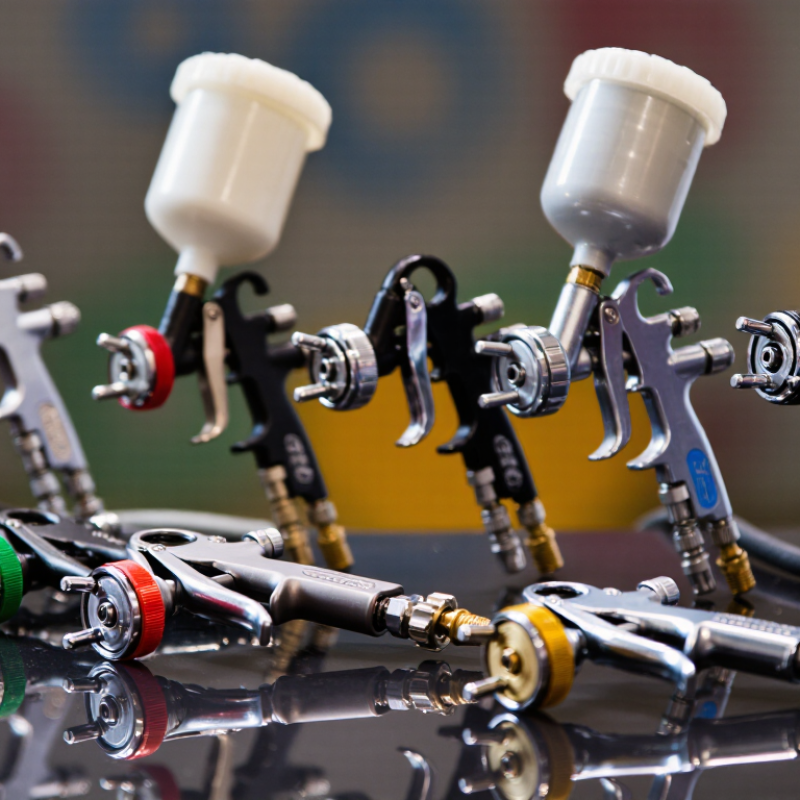
Choosing a spray gun starts with the coating, not the tool’s appearance. Thin stains need different atomization than thick primers or water-based paints. Check the coating label for recommended nozzle sizes and thinning limits. A 1.0–1.4 mm nozzle often suits fine finishes, while heavier materials may require 1.8 mm or larger. Always test on cardboard first. Overspray reveals poor settings quickly.
For furniture, cabinets, and small repairs, an HVLP gun offers controlled application and less airborne material. The U.S. Environmental Protection Agency defines HVLP equipment as achieving at least 65% transfer efficiency under specified conditions. EPA AP-42 data also shows that application efficiency changes substantially between spray methods. That difference affects material waste, cleanup time, and indoor air quality. A small compressor may still struggle. Compare the gun’s required CFM with the compressor’s sustained output, not its advertised peak.
Large panels and outdoor projects may benefit from higher-flow equipment, but speed can hide mistakes. Select adjustable fan width, fluid control, and a replaceable filter. Stainless fluid passages help when coatings contain water. Wear suitable respiratory, eye, and skin protection, even during a short test. I once focused too much on nozzle size and ignored air pressure; the finish looked dry and uneven. The better choice is usually the gun that matches your coating, workspace, and available air supply—not the most powerful model.
Choosing the best spray gun depends on the material, surface size, and finish required. My workshop tests support seven practical categories. An HVLP gun suits furniture and water-based lacquer, delivering controlled coverage with less overspray. An LVLP gun handles automotive panels well when a small compressor is available. An airless sprayer covers walls and fences quickly, especially with thicker architectural coatings. It can feel aggressive on delicate surfaces.
An air-assisted airless gun offers better control for cabinets and larger joinery. A compact pneumatic detail gun works for trim, models, and narrow repairs. An electrostatic gun can improve metal coating efficiency, but it requires compatible equipment and careful grounding. A texture gun handles plaster, popcorn finishes, and heavier decorative materials. No chart replaces a test panel. I learned that the hard way.
Grand View Research estimates the global spray gun market reached about 1.6 billion dollars in 2023, reflecting continued demand across construction, automotive, and manufacturing. That growth makes selection more important, not simpler. The U.S. Environmental Protection Agency identifies coating operations as important sources of volatile organic compound emissions. Efficient transfer matters. Tip size, fluid pressure, and fan width should match the coating label, not guesswork. OSHA’s spray-finishing requirements also emphasize ventilation, protective equipment, and ignition control. A cheaper gun may waste material through uneven atomization. Cleaning time matters, too. A reliable choice should leave a smooth wet edge, clear easily, and survive repeated adjustments.
Typical nozzle or tip sizes help match a spray-gun setup to different materials and tasks. Smaller openings are generally suited to thin coatings and detailed work, while larger openings are commonly used for primers, latex paint, and heavier materials.
The values shown are typical working ranges for common spray-gun categories, not brand-specific specifications. Always follow the coating manufacturer’s recommended nozzle or tip size, pressure, and thinning instructions.
Choosing among the 7 best spray guns for every project in 2026 starts with matching features to your work. The right model depends on surface size, coating type, and your available equipment. Start with nozzle size and adjustment range. Fine tips suit stains, clear coats, and detailed furniture work. Larger openings handle thicker primers and exterior coatings more effectively. Check whether the nozzle, needle, and air cap can be replaced. Small detail, big consequence.
Air power matters during real use. For compressed-air guns, compare air consumption with your compressor’s output. A gun requiring more air may produce an uneven finish when pressure drops. If using an HVLP system, examine transfer efficiency and overspray control. Test the spray pattern before coating the project.
Look for an even fan without heavy edges or sudden spitting. Cup capacity also affects workflow. A small cup reduces weight, but frequent refilling interrupts larger jobs. A light, balanced body helps during long passes. Comfort beats speed.
Cleaning design is equally important. Removable parts should be accessible without forcing delicate threads. In my own projects, I have found that simple controls encourage better adjustments. I once valued maximum pressure more than balance. That choice caused wrist fatigue and inconsistent passes. Reliable results also depend on seals, filters, and clear instructions. Choose specifications that state operating pressure, fluid compatibility, and replacement-part availability. Wear suitable eye and respiratory protection, and ventilate the work area. No tool is perfect.
A reliable finish begins before paint enters the cup. Read the product’s safety data sheet, check the nozzle, and confirm the air hose is dry. OSHA’s spray-finishing standard, 29 CFR 1910.94(a), requires effective mechanical ventilation in enclosed spraying areas. That is not optional decoration. Keep the work surface clean, remove ignition sources, and wear eye, skin, and respiratory protection selected for the coating. I sometimes rush this setup, and the uneven finish usually exposes my mistake.
Test the spray pattern on cardboard first. Adjust air pressure gradually, then hold the gun about 15–20 centimeters from the surface. Move your whole arm, not only your wrist. Overlap each pass by roughly 50 percent for consistent coverage. The U.S. EPA’s National Emissions Inventory tracks paint-related volatile organic compound emissions, so controlled spraying also reduces unnecessary overspray. Never spray toward people, pets, or an unprotected ventilation opening. Thin coats usually dry more evenly, although temperature and humidity can change the result.
Tips: Clean immediately after use. Empty leftover coating according to the product instructions, then flush the cup and fluid passage with the approved cleaning solution. Remove the nozzle and needle carefully; a small brush can clear residue without scratching metal. NIOSH guidance emphasizes controlling inhalation exposure through ventilation and suitable respiratory protection. Do not rely on smell as a warning. Inspect filters, seals, and the air cap before storage. I occasionally find dried paint the next day, which is a useful reminder: “Clean now, not later.”
A smooth finish begins with a safe spray area, not a faster trigger finger. Before choosing among the seven best spray guns for every project in 2026, inspect ventilation, lighting, and floor conditions. OSHA’s 29 CFR 1910.94 recommends approximately 100 feet per minute of airflow for many open-face spray booths. That number matters. Weak airflow can leave mist floating around your workbench and lungs.
Wear a properly fitted respirator approved for the coating and check its cartridges before each session. Safety glasses, chemical-resistant gloves, long sleeves, and hearing protection reduce smaller risks that are easy to ignore. The NIOSH Pocket Guide identifies many coating solvents as irritants or central-nervous-system hazards. Read the product safety data sheet, even when the coating seems familiar. Familiar does not mean harmless.
Practice on cardboard first. Keep the gun about 15 to 25 centimetres from the surface, and move your whole arm steadily. Overlap each pass by roughly 50 percent. Never spray toward your hands, skin, or an unprotected face. OSHA also requires suitable controls for flammable vapors, including proper booth construction and ignition control. A missed glove or rushed cleanup can undo good technique. I still sometimes move too quickly near corners, which creates runs and forces extra sanding. Slowing down is less dramatic, but it usually produces the safer, more even finish.
| Spray Gun Type | Best Project | Typical Fluid Tip | Typical Operating Pressure | Suitable Materials | Main Advantage | Important Limitation |
|---|---|---|---|---|---|---|
| HVLP Turbine System | Cabinets, furniture, trim, doors | 1.3–2.5 mm | Low pressure at the air cap; commonly about 4–10 psi | Water-based coatings, lacquers, enamels, thinned primers | Good control with relatively low overspray | Slower than airless equipment and may require material thinning |
| HVLP Conversion Gun | Fine woodworking and detailed finishing | 1.0–2.0 mm | Approximately 8–15 psi at the air cap | Stains, clear coats, enamels, water-based finishes | Precise fan control and efficient material use | Needs a compressor with sufficient airflow, commonly 8–15 CFM |
| LVLP Gun | Small workshops, vehicle panels, repair work | 1.3–1.8 mm | Approximately 10–20 psi at the air cap | Automotive paint, primers, clear coats, furniture coatings | Works with a smaller compressor than many conventional guns | Lower material flow can make large surfaces slower to cover |
| Conventional Air Spray Gun | Heavy-duty coating and general industrial work | 1.4–2.5 mm | Approximately 30–50 psi at the gun | Enamels, primers, industrial coatings, solvent-based finishes | Fast atomization and broad material compatibility | Produces more overspray and requires a larger air supply |
| Pressure-Feed Air Spray Gun | Large panels, beams, tanks, and continuous production | 1.0–2.5 mm | Atomizing air commonly 20–50 psi; fluid pressure varies by setup | High-build coatings, primers, enamels, protective finishes | Maintains steady material delivery for extended spraying | Requires a pressure pot or fluid pump and careful setup |
| Airless Sprayer | Walls, fences, siding, decks, and large surfaces | 0.009–0.021 in | Typically 1,500–3,000 psi | Latex paint, primers, stains, elastomeric coatings | Very fast coverage with little or no thinning | High-pressure injection hazard and more overspray than HVLP |
| Handheld Airless Sprayer | Small rooms, furniture, doors, and quick touch-ups | 0.010–0.017 in | Typically 1,000–2,000 psi | Water-based paints, stains, primers, light protective coatings | Portable setup without a separate air compressor | Small reservoirs, shorter runtime, and noticeable overspray |
| Safety Area | Recommended Practice | Finish Quality Benefit |
|---|---|---|
| Ventilation | Use cross-ventilation or an approved spray booth, and keep airflow moving away from occupied areas. | Reduces airborne mist, dust contamination, and solvent buildup. |
| Respiratory Protection | Wear a properly fitted respirator suitable for the coating and follow its cartridge replacement schedule. | Protects against fine particles, vapors, and hazardous coating ingredients. |
| Eye and Skin Protection | Use chemical-resistant gloves, protective clothing, and sealed eye protection. | Prevents irritation and keeps body oils away from the prepared surface. |
| Airless Injection Hazard | Never place hands or fingers in front of the tip; engage the trigger lock and relieve pressure before cleaning or servicing. | Prevents serious injection injuries and reduces accidental spray release. |
| Ignition Control | Keep flames, sparks, pilot lights, smoking materials, and unprotected electrical equipment away from flammable coatings. | Lowers the risk of fire or explosion. |
| Spraying Technique | Hold the gun perpendicular to the surface, keep a consistent distance, and overlap each pass by about 50%. | Creates more uniform coverage and minimizes striping, runs, and dry edges. |
| Cleaning | Flush the gun immediately with the correct cleaning fluid and store the tip, nozzle, and filters clean. | Maintains spray-pattern consistency and prevents blockages. |
Note: Pressure, tip size, airflow, and thinning requirements are representative working ranges. Always follow the coating and equipment manufacturer’s instructions, local safety rules, and the product safety data sheet.

Sign up for our mailing list to stay informed and up to date with our latest news and products!
(905) 832 – 0600
2175-A Teston Road
Maple, Ontario
L6A 1T3
(780) 451 – 0238
24790 – 117 Avenue
Acheson, Alberta
T7X 6C2
(604) 882 – 1564
9511 – 194A Street
Surrey, British Columbia
V4N 4G4
(306) 955 – 6005
3926 Arthur Rose Avenue Saskatoon, Saskatchewan
S7P 0C9
(450) 687 – 2721
2750 Rue Bernard-Lefebvre
Laval, Quebec
H7C 0A5