
How to Choose the Best DC High Pressure Pump for Your Needs?

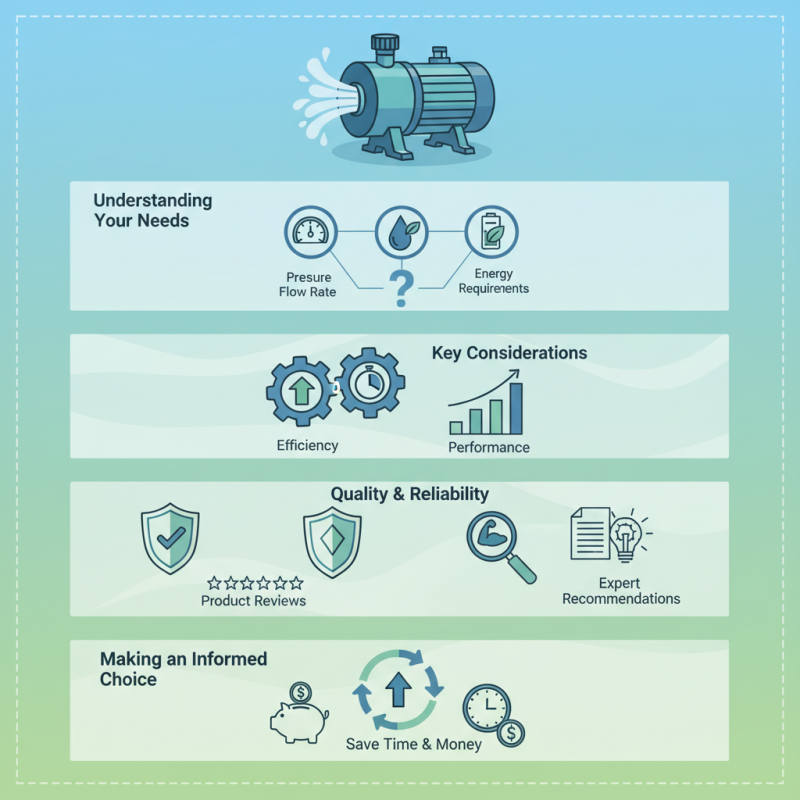
Choosing the right Dc High Pressure Pump is crucial for various applications. This decision impacts efficiency and performance. Understanding your specific needs is essential in making a well-informed choice.

DC High Pressure Pumps serve multiple functions, from industrial to agricultural uses. The right pump should match your pressure, flow rate, and energy requirements. Yet, many users overlook these fundamental aspects, leading to inefficient operations.

Quality and reliability are also significant. Not all pumps are created equal. Brands vary in performance and durability. Researching the best options can save you time and money in the long run. Evaluating product reviews and expert recommendations can provide valuable insights.
How to Choose the Best DC High Pressure Pump for Your Needs?

Understanding DC High Pressure Pumps: Key Features and Functionality

DC high pressure pumps are essential in various applications, from agricultural irrigation to industrial processes. Understanding their key features can greatly influence your purchasing decisions. One notable characteristic is their efficiency. Reports indicate that modern DC pumps can achieve efficiency levels above 90%, optimizing energy use in systems that require high pressure.

When considering functionality, pay attention to flow rates. Many pumps offer variable flow rates, allowing users to adjust pressure according to specific requirements. For instance, a pump with a flow rate of 3 to 5 gallons per minute can support both light and moderate workloads. This flexibility is crucial, as oversizing a pump can lead to unnecessary costs and decreased longevity.

Additionally, consider the control system of the pump. Advanced models now include smart technology, enabling remote monitoring and control. This feature can improve reliability in demanding applications. However, these systems may require more initial investment and technical expertise. Thus, your choice should reflect both current needs and future scalability.


Evaluating Flow Rates and Pressure Requirements for Optimal Performance

Selecting the right DC high-pressure pump hinges on accurately evaluating your flow rates and pressure requirements. These factors directly impact performance and efficiency. Your flow rate needs will depend on the application. For instance, a high flow rate is crucial for cooling systems, while lower rates suit applications like filtration. Assessing your specific needs can save energy and enhance longevity.

When it comes to pressure requirements, consider what the application demands. A pump may need to output pressures ranging from 20 to 500 psi, depending on the task. Be mindful that selecting a pump with higher pressure than necessary can lead to excessive wear. It’s important to find a balance that meets your needs without overspending or risking pump failure.

Tips: Always consult with experts when in doubt. Their insights can help clarify any confusion regarding your specifications. Also, conducting a pressure test before finalizing your choice can reveal if the pump meets requirements. Lastly, factor in potential changes in requirements; a pump that fits today’s needs may not suffice tomorrow.

Material Selection and Durability Considerations in Pump Design

Material selection is crucial when choosing a DC high pressure pump. Different materials offer various strengths and weaknesses. For example, stainless steel is common for its corrosion resistance, while high-grade plastics can be lighter and less expensive. According to industry reports, up to 40% of pump failures stem from material-related issues. Compatibility between the pump materials and the fluid being handled is essential for longevity.

Durability is a key consideration. Pumps designed for high-pressure applications face intense stress. Materials that withstand higher temperatures generally perform better under pressure. Research shows that pumps with a casing made from reinforced composites can increase operational lifespan by 30%. However, it’s essential to balance durability with weight/size constraints, especially in portable applications.

Reflection is necessary during the design phase. A durable pump may still fail if not tested under real-world conditions. Manufacturers often conduct tests that last longer than average use scenarios, yet misjudgments still occur. Engineers must keep a feedback loop open, learning from failures in the field to refine material choices. This iterative process is critical for developing reliable high-pressure pumps that meet user expectations over time.

Comparing Efficiency Ratings and Energy Consumption in DC Pumps

When selecting a DC high-pressure pump, efficiency ratings and energy consumption are pivotal factors. According to a study by the Department of Energy, pumps account for nearly 20% of industrial energy usage. This highlights the need for efficiency in pump selection. A pump that operates at a higher efficiency can reduce energy bills significantly—by up to 30% in some cases.

The energy consumption of DC pumps varies widely. Many pumps operate between 75% to 90% efficiency. It's essential to review the pump's specifications and compare them with industry standards. Some pumps may provide excellent pressure but fall short in energy use. This discrepancy can lead to higher operational costs.

When evaluating options, consider the expected duty cycle and the specific application. Inconsistent performance can lead to inefficiencies. Look for pumps with high-performance characteristics designed for your unique needs. The better the match, the more efficient the operation. This approach can improve sustainability and lower environmental impact. Earning a return on investment is easier with the right choice.

How to Choose the Best DC High Pressure Pump for Your Needs? - Comparing Efficiency Ratings and Energy Consumption in DC Pumps

Pump Model Max Pressure (psi) Flow Rate (GPM) Efficiency Rating (%) Power Consumption (W)
Model A 150 2.5 85 120
Model B 200 3.0 90 150
Model C 180 2.8 88 130
Model D 220 3.4 92 160
Model E 160 2.0 82 110

Identifying Maintenance Needs and Lifespan Projections for Reliability

When selecting a DC high pressure pump, understanding maintenance needs is crucial. Proper maintenance ensures the pump operates efficiently. Regular checks on mechanical parts can prevent unforeseen breakdowns. Over time, wear and tear can affect performance and reliability.

Tips: Create a maintenance schedule. Regularly inspect for leaks. Change filters as needed. Consistent care will extend the pump’s lifespan.

Lifespan projections are vital when assessing pump reliability. Quality pumps can last five to ten years with proper care. However, factors like usage intensity and environment can influence longevity. Monitoring these factors helps in planning replacements.

Tips: Document pump usage patterns. Observe performance trends. The earlier you address issues, the longer your pump lasts. Reflect on previous experiences to inform future choices.

Request Quote

Sign Up