Why Choose Carbide Tools for Your Manufacturing Needs?
In today's competitive manufacturing landscape, choosing the right tools is essential. Carbide Tools stand out for their durability and precision. These tools are crafted from tungsten carbide, providing superior hardness and resistance to wear. They maintain sharpness longer than traditional tools, leading to efficient production and less downtime.
Manufacturers often face challenges with tool replacement and maintenance. Carbide Tools can alleviate these issues, reducing costs over time. However, some may perceive them as expensive upfront. It's essential to weigh these costs against their longevity and performance. Investment in Carbide Tools can transform manufacturing processes.
Understanding the specific needs of your projects is key. Not all jobs require carbide; sometimes, alternatives might be more suitable. Proper evaluation of the manufacturing requirements can lead to better decisions. In the end, Carbide Tools offer a blend of reliability and efficiency, making them a worthwhile consideration for any manufacturing operation.
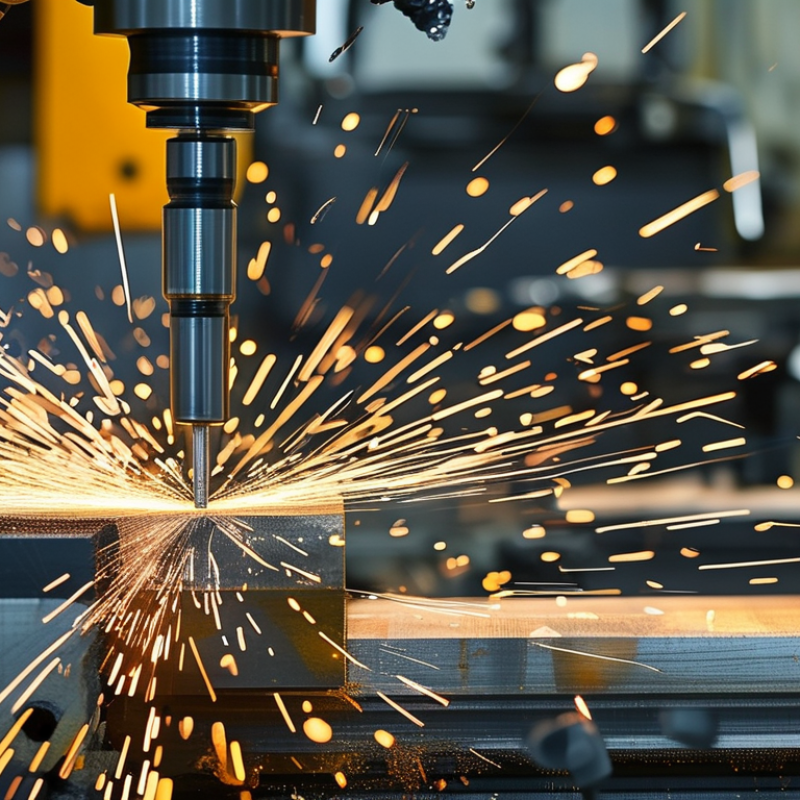
Understanding the Advantages of Carbide Tools in Manufacturing
Carbide tools have gained popularity in manufacturing due to their superior performance and durability. These tools are made from tungsten carbide, a compound that offers exceptional hardness. This hardness allows them to withstand high levels of wear in tough machining processes. Users often report significantly longer tool life compared to other materials. The investment in carbide tools can lead to cost savings in the long run.
The ability to maintain sharp cutting edges is another critical advantage. Carbide tools can produce cleaner cuts with less friction. This results in smoother finishes and reduces the need for extensive post-processing. Additionally, they operate effectively at higher speeds, which can increase overall production efficiency. However, it’s important to note that carbide tools can be brittle. Misuse could result in chipping or breaking, leading to potential downtime in manufacturing.
For applications involving abrasive materials or high precision, carbide tools excel. Their reliability fosters confidence in machining operations. Despite their benefits, users should monitor tool condition regularly. The need for proper care highlights the importance of training and understanding how to use these tools effectively. Investing in carbide tools requires a thoughtful approach to ensure they are used to their full potential.
Durability and Longevity: Key Benefits of Carbide Tools
Carbide tools have gained popularity in manufacturing due to their unmatched durability. These tools can withstand high temperatures and pressures, making them ideal for tough machining tasks. Unlike conventional materials, carbide remains sharp longer. This characteristic means less frequent tool changes and reduced downtime, which are both crucial in a production environment.
The longevity of carbide tools translates directly into cost savings. When tools last longer, manufacturers can allocate resources more efficiently. However, not every project requires carbide. For softer materials, other options might suffice. Choosing the right tool involves assessing both material properties and production needs.
While carbides are resilient, they are not invincible. Improper handling can lead to chipping or breakage. Ensuring the right application and technique is vital to maximizing their lifespan. Knowledge of the specific requirements of each task helps in making informed decisions. Ultimately, the choice should be based on careful evaluation rather than a one-size-fits-all approach.
Why Choose Carbide Tools for Your Manufacturing Needs? - Durability and Longevity: Key Benefits of Carbide Tools
| Feature | Description | Benefits | Applications |
| Durability | Carbide tools can withstand high levels of wear and tear. | Reduced tool replacement frequency, lower operational costs. | Metalworking, woodworking, machining. |
| Longevity | Carbide tools have a longer lifespan compared to other materials. | Improved productivity due to less downtime for tool changes. | Cutting, shaping, drilling. |
| Precision | Carbide tools maintain a sharp edge for precise cuts. | High-quality finishes and accuracy in manufacturing. | Aerospace, automotive, medical devices. |
| Heat Resistance | Carbide withstands high temperatures without losing hardness. | Suitable for high-speed machining operations. | Manufacturing, production lines. |
| Versatility | Can be used on a variety of materials including metals and composites. | Flexibility in manufacturing processes across different industries. | General manufacturing, custom projects. |
Cost Efficiency: Analyzing Carbide Tools vs. Traditional Cutting Tools
Carbide tools are gaining popularity in manufacturing due to their cost efficiency. A study by the National Tooling and Machining Association indicates that companies using carbide tools can reduce production costs by up to 30%. This is largely due to carbide's extended lifespan compared to traditional steel tools. A carbide tool can last several times longer, leading to fewer tool changes and reduced downtime. In high-volume production environments, these savings quickly add up.
Moreover, carbide tools offer superior performance in cutting harder materials. According to recent reports from Manufacturing Engineering, these tools allow manufacturers to increase cutting speeds by 50% without sacrificing quality. However, the initial investment for carbide tools can be a barrier for some small manufacturers. Despite this, the long-term savings from fewer replacements and increased efficiency can outweigh those initial costs, making them a worthy investment.
While carbide tools provide many benefits, they also present challenges. Not all manufacturers may have the expertise to handle them effectively. Improper use can lead to significant wastage and tool breakage. Training personnel to work with carbide tools is essential but may require additional resources. Balancing these factors is crucial for realizing the full potential of carbide tools in manufacturing.
Performance Metrics: Speed and Precision with Carbide Tools
Carbide tools are known for their outstanding performance metrics. They excel in both speed and precision, making them ideal for various manufacturing applications. The tungsten carbide material is incredibly hard, allowing tools to endure high levels of stress without significant wear.
Manufacturers benefit from the speed carbide tools offer. They can operate at much higher RPMs compared to standard tools. This efficiency reduces production time and increases output. However, this speed comes with a catch. It requires careful monitoring to prevent overheating and tool damage. Improper cooling can lead to failures, which can be costly.
Precision is another standout feature. Carbide tools maintain tight tolerances, ensuring high-quality finishes. This level of accuracy is crucial in industries where even small deviations are unacceptable. Yet, achieving this accuracy demands skill and proper setup. Operators must remain vigilant, as mistakes in setup can compromise results. Additionally, using carbide tools requires a learning curve. Training is essential to maximize their potential effectively.
Speed and Precision of Carbide Tools Compared to High-Speed Steel Tools
This chart compares the performance metrics of carbide tools against high-speed steel tools, illustrating the advantages of carbide in terms of cutting speed, precision, and tool life. As indicated, carbide tools significantly outperform high-speed steel tools in all measured categories.
Industry Applications: Where Carbide Tools Make a Difference
Carbide tools play a significant role in various manufacturing industries. Their hardness and resistance to wear make them ideal for applications like metal cutting, drilling, and machining. Many manufacturers rely on carbide tools for precision work. They last longer than traditional tools, reducing downtime and costs. In high-volume production environments, this longevity translates to better efficiency.
In the automotive industry, carbide tools are essential for achieving tight tolerances. They help produce parts with exceptional accuracy. These tools also find applications in aerospace, where safety and precision are critical. However, some manufacturers still hesitate to transition to carbide due to initial costs. While the upfront investment is higher, the long-term benefits often outweigh this concern.
The woodworking industry is another area where carbide tools shine. They cut through hard materials with ease, creating smooth finishes. Yet, not all woodworkers have embraced carbide due to misconceptions about their complexity. Understanding these tools requires patience and practice. Ultimately, as manufacturers explore carbide options, they may discover unexpected benefits and enhanced capabilities in their projects.