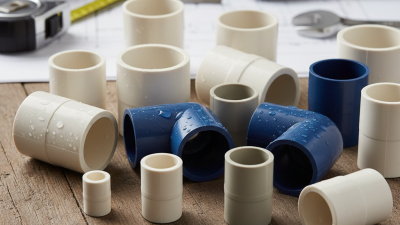
Why Choose PVC Pipe Connectors for Your Plumbing Needs?
In the realm of plumbing, efficiency and durability are paramount. PVC pipe connectors have gained significant traction for their reliability. According to industry reports, the global demand for PVC products is projected to grow at a rate of 3.5% annually. This growth underscores the increasing preference for PVC materials in construction and plumbing.
PVC pipe connectors are particularly favored for their resistance to corrosion and lightweight nature. These attributes make them a mainstay in both residential and commercial applications. Research indicates that using PVC connectors can reduce installation time by up to 25%. This efficiency is crucial for contractors seeking to optimize project timelines while maintaining quality.
While PVC pipe connectors offer many advantages, they may not suit every situation. Some professionals prefer alternatives like copper or PEX in high-temperature applications. It's essential to assess specific plumbing needs carefully. With proper understanding, PVC pipe connectors can be a wise choice for reliable plumbing solutions.
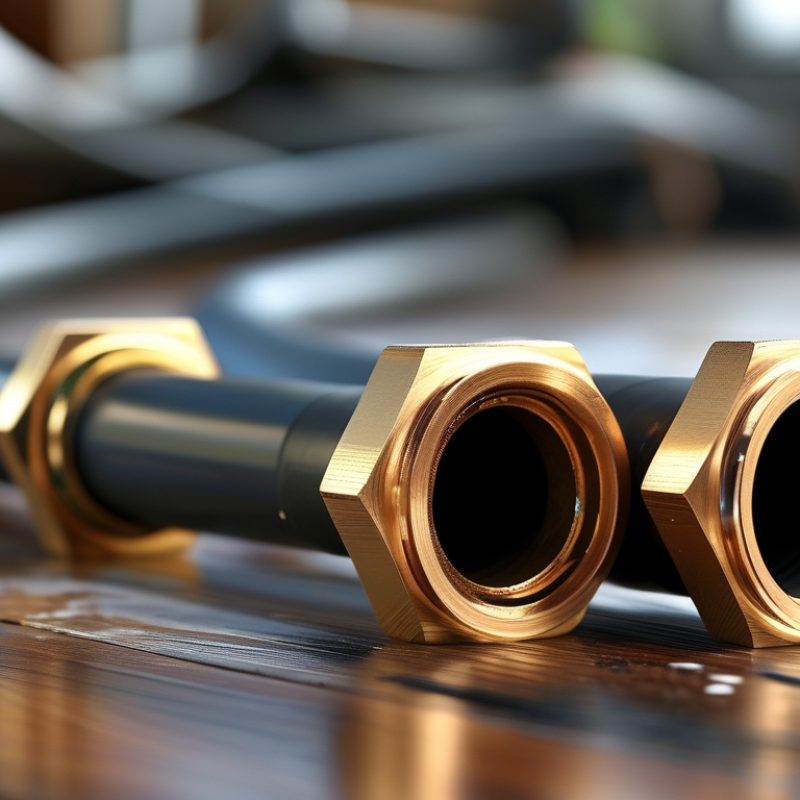
Understanding the Advantages of PVC Pipe Connectors in Plumbing
PVC pipe connectors have become a popular choice for plumbing due to their many advantages. They are lightweight yet strong, making installations easier. This ease is especially beneficial in tight spaces. Additionally, they resist corrosion and degradation over time, which is crucial for long-term plumbing solutions. Their smooth inner surface minimizes resistance and supports better water flow.
Another significant aspect of PVC pipe connectors is their cost-effectiveness. They are generally less expensive compared to metal counterparts. This affordability does not compromise quality. However, one must consider the environmental impact. While PVC is durable, its production can be harmful. Therefore, it’s essential to weigh these factors when deciding.
It's important to note that while PVC is versatile, not all plumbing applications are suitable for it. For instance, extreme heat can weaken PVC pipes. Homeowners should consult with a plumbing expert before making decisions. Proper assessment and advice ensure reliable installations, maximizing the benefits of PVC connectors.
Comparing PVC Connectors to Other Plumbing Material Options
When assessing plumbing materials, PVC pipe connectors often stand out. They are lightweight and easy to handle. Unlike metal options, PVC does not corrode, making it ideal for various environments. This material resists rust and decay. Maintenance is minimal, which saves time and effort.
In contrast, copper connectors can be durable but are prone to corrosion over time. This can lead to leaks, increasing repair costs. PEX connectors are flexible but can suffer from UV damage if exposed to sunlight. PVC, however, proves resilient in diverse conditions, ensuring longevity in plumbing systems.
Choosing the right connector is vital for efficiency. While PVC presents clear advantages, users should consider their specific needs. Each material has perks and downsides. Understanding these differences can lead to better decisions. Relying solely on one type without considering constraints might not be wise.
Key Factors to Consider When Choosing PVC Pipe Connectors
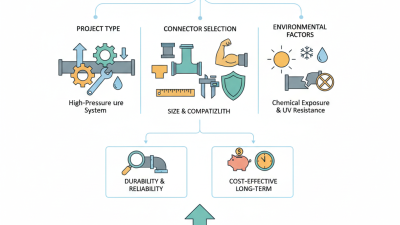
When choosing PVC pipe connectors for plumbing needs, several key factors must be considered. Durability is paramount. PVC pipe connectors are resistant to corrosion and chemical exposure. According to the American Society of Plumbing Engineers, these connectors can last upwards of 50 years with proper installation. This longevity makes them a preferred choice for many residential and commercial applications.
Another important aspect is the ease of installation. PVC connectors often require fewer tools compared to metal counterparts. Their lightweight design simplifies handling, especially in tight spaces. A study by the Plastic Pipe and Fittings Association highlighted that utilizing PVC can reduce installation time by 30%. This efficiency can lower labor costs and minimize disruption during plumbing projects.
Finally, consider the environmental impact. PVC is recyclable and is produced with fewer resources than metal. However, some skepticism exists regarding its long-term ecological effects. Discussions around PVC's environmental footprint are ongoing. While PVC offers numerous advantages, a careful approach is essential for sustainable practices in plumbing.
Why Choose PVC Pipe Connectors for Your Plumbing Needs? - Key Factors to Consider When Choosing PVC Pipe Connectors
| Feature |
Description |
Advantages |
Considerations |
| Material Quality |
Durable PVC material that resists corrosion and chemical damage. |
Long lifespan and low maintenance. |
Ensure compliance with local building codes. |
| Sizing Options |
Variety of sizes available for different applications. |
Versatile for various plumbing setups. |
Proper sizing is crucial for effective plumbing. |
| Installation |
Easy installation process with solvent cement or push-fit options. |
Saves time and labor costs. |
Ensure proper technique for leak prevention. |
| Temperature Resistance |
Resistant to a range of temperatures. |
Suitable for both hot and cold water systems. |
Avoid extreme temperature changes to prolong lifespan. |
| Cost-Effectiveness |
Generally less expensive than metal alternatives. |
Reduces overall plumbing costs. |
Balance cost with quality for long-term use. |
Installation Procedures and Best Practices for PVC Connectors
When working with PVC pipe connectors, proper installation is key to ensuring reliable plumbing systems. Begin by gathering necessary tools, such as a measuring tape and pipe cutter. Cut the PVC pipes cleanly to avoid jagged edges, which can lead to leaks. Always dry fit the connectors first before applying any adhesive. This helps confirm that everything fits together perfectly.
Before applying PVC cement, ensure the surfaces are clean. Use a primer to prepare the surfaces and ensure a strong bond. Apply the cement evenly and join the pieces quickly before the glue sets. Holding the connection for a few seconds can help it bond more securely. Inspect the joints for excess cement; it should not pool or create drips.
During installation, it is important to remain focused on alignment. Misaligned pipes can create undue stress on joints, leading to future failure. While mistakes happen, taking a moment to double-check your work can save time and frustration later. Reflecting on the process can enhance your skills for future projects. Always remember that patience during the installation creates a stronger, more durable plumbing system.
Maintaining and Troubleshooting PVC Pipe Connections for Longevity
Maintaining PVC pipe connections is critical for long-lasting plumbing systems. PVC pipes are favored for their resistance to corrosion and ease of installation. However, even the best materials can experience issues if not properly maintained. Regular inspections can help identify leaks or weak joints early, preventing major repairs and replacements. According to the American Society of Plumbing Engineers, about 20% of plumbing issues stem from connection failures.
Troubleshooting PVC pipe connections involves a few straightforward steps. First, check for visible leaks or damp spots around joints. Tightening connections can often resolve minor issues. If leaks persist, re-evaluating the joints' sealing method may be necessary. Research from the Plastic Pipe and Fittings Association shows that improper sealing can lead to up to a 30% increase in repair costs. Addressing these issues sooner rather than later can save both time and money.
While PVC is durable, it's not impervious to damage. High temperatures or exposure to certain chemicals can weaken the material. Users should be aware of their surroundings and ensure suitable conditions for their plumbing systems. Regularly flushing the system can prevent buildup that complicates maintenance. Implementing these practices can extend the lifespan of PVC connections, ultimately reducing overall plumbing costs.