Why Choose PVC Storage Tanks for Your Business Needs?
When considering efficient storage solutions, the PVC storage tank emerges as a top choice for various businesses. These tanks offer remarkable durability and resistance to corrosion, ensuring long-lasting performance. The lightweight nature of PVC storage tanks makes them easy to install and handle, reducing overall labor costs.
Many businesses can benefit from the versatility of PVC storage tanks. They can be used for water, chemicals, and other liquids. However, it is essential to assess specific storage requirements to determine if a PVC tank is suitable. Not every application is ideal; expert advice may be necessary. Despite the advantages, careful consideration of the tank's limitations is crucial.
Investing in PVC storage tanks can enhance operational efficiency while minimizing risks. Businesses must weigh functionality against environmental conditions. Over time, this decision can influence long-term sustainability goals. The choice to use PVC storage tanks should align with strategic business needs for optimal outcomes.
Benefits of PVC Storage Tanks in Industrial Applications
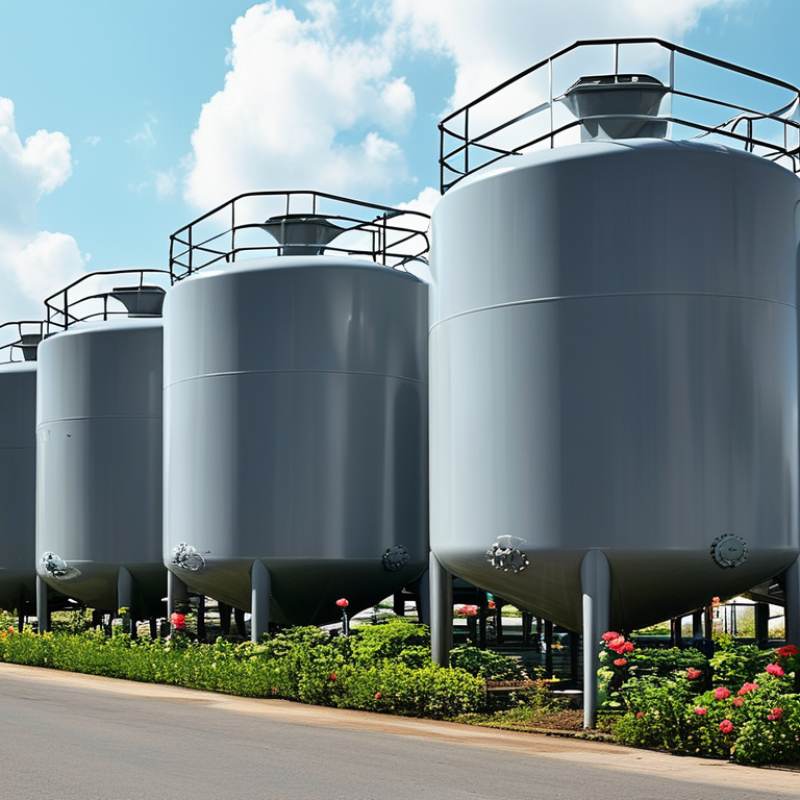
PVC storage tanks have gained popularity in various industrial applications due to their numerous advantages. One significant benefit is their resistance to corrosion. Traditional metal tanks often succumb to rust and degradation. In contrast, PVC tanks remain intact over time, even when storing harsh chemicals. This durability reduces maintenance costs and ensures safety.
Another important aspect is their lightweight nature. PVC tanks are easier to handle and install. This feature can lead to reduced labor costs and quicker installation times. Many industries need to adapt quickly to changing storage needs. PVC tanks can be moved and modified with relative ease, providing flexibility.
While there are substantial benefits, it's essential to consider limitations as well. PVC may not withstand extreme temperatures as effectively as some other materials. In regions with high heat or cold, this could lead to performance issues. Therefore, assessing the specific needs of your application is vital. Evaluating both advantages and potential drawbacks can guide businesses in making the best choice for their storage needs.
Why Choose PVC Storage Tanks for Your Business Needs? - Benefits of PVC Storage Tanks in Industrial Applications
| Benefit | Description | Applications |
| Corrosion Resistance | PVC storage tanks are highly resistant to various chemicals, making them suitable for harsh environments. | Chemical processing, wastewater treatment |
| Lightweight | PVC tanks are lighter than metal tanks, which reduces transportation and installation costs. | Agriculture, pharmaceuticals |
| Cost-Effective | Lower manufacturing and maintenance costs compared to traditional storage solutions. | Food industry, oil and gas |
| Customizable | Can be manufactured in various sizes and configurations to meet specific needs. | Manufacturing, construction |
| Durability | Designed to withstand environmental and operational stress for long-term use. | Mining, transportation |
Cost-Effectiveness of PVC Tanks Compared to Alternative Materials
When considering storage solutions, PVC tanks stand out due to their cost-effectiveness. Compared to steel and fiberglass tanks, PVC is significantly cheaper. Reports suggest that PVC tanks can be up to 30% less expensive than fiberglass alternatives. For businesses looking to minimize overhead while ensuring quality, this cost advantage is crucial.
Maintenance costs are also lower for PVC tanks. Data indicates that PVC requires less frequent maintenance than metal or fiberglass options. This can save companies time and money over the long run. Additionally, PVC tanks resist corrosion, reducing the risk of leaks and costly repairs. However, it's important to recognize that while PVC offers many benefits, it may not be suitable in extreme temperatures.
Investing in PVC tanks can lead to significant long-term savings for businesses. Their durability and low maintenance requirements support operational efficiency. However, it's essential to evaluate the specific needs of your operation. Not all environments are ideal for PVC. Assessing unique conditions is vital for making the best choice.
Durability and Chemical Resistance of PVC for Long-Term Use
When considering storage solutions, PVC tanks stand out for their exceptional durability and chemical resistance. Unlike traditional materials, PVC can withstand a wide range of chemicals, including acids, bases, and solvents. According to a report from the Plastic Pipes Conference Association, PVC can tolerate temperatures up to 140°F without significant degradation. This makes it a reliable option for various industries, including agriculture and manufacturing.
Many businesses appreciate the low maintenance requirements of PVC tanks. Their resistance to corrosion reduces the need for frequent repairs. A study published by the American Society for Testing and Materials highlights that PVC has a lifespan of over 30 years under proper conditions. However, some users have reported limitations in extreme temperatures. While PVC shines in moderate environments, extreme heat or cold can challenge its structural integrity. Considering this aspect is crucial for businesses operating in fluctuating climates.
In terms of cost-effectiveness, PVC tanks offer an initial lower investment compared to metal options. However, organizations should assess long-term performance versus short-term savings. Misjudgments in choosing well-suited materials can lead to unexpected expenses. Ultimately, understanding the characteristics of PVC helps businesses make informed decisions. Proper research into environmental conditions and chemical compatibility is vital.
Environmental Impact and Recyclability of PVC Storage Solutions
When considering storage solutions, PVC tanks stand out due to their environmental benefits. PVC, or polyvinyl chloride, is a durable material that is also highly recyclable. This durability reduces the need for frequent replacements, which can lessen waste generation. Many industries choose PVC tanks for their longevity, contributing to a more sustainable operation.
While choosing PVC, it’s essential to ensure the material is sourced responsibly. Look for suppliers that prioritize eco-friendly production processes. Tips for businesses include regularly checking the integrity of tanks to prevent leaks. Regular maintenance extends the lifespan of the tanks and reduces the environmental impact further.
Additionally, consider the end-of-life options for PVC tanks. Many facilities offer recycling programs specifically for PVC materials. Engage with local recycling initiatives to ensure proper disposal. Taking these steps not only demonstrates corporate responsibility but also enhances business reputation. Being proactive about sustainability can yield positive outcomes for the environment and your business.
Real-World Case Studies on PVC Tank Performance in Various Industries
PVC storage tanks have proven their reliability across various industries. For instance, in the agricultural sector, a study detailed how these tanks effectively stored fertilizers and pesticides without significant degradation over time. Reports indicated that when exposed to chemical elements, PVC tanks maintained structural integrity for over five years, minimizing leaks and spills.
In another case, the food and beverage industry found PVC tanks suitable for storing liquids like juices and syrups. These tanks are resistant to bacteria and contaminants. A survey showed that over 80% of businesses using PVC tanks reported improvements in product safety. Yet, some businesses noted that they experienced issues with UV resistance when tanks were installed outdoors.
Tip: Regular maintenance is crucial. Inspect tanks periodically for signs of wear. Avoid long-term exposure to sunlight to increase lifespan. Moreover, understanding the limitations of PVC is vital. Although durable, PVC tanks may not be suitable for every liquid. Always consider the chemical composition of your stored materials to ensure compatibility.