Why Choose PVDF Pipe for Your Next Project?
When selecting materials for industrial projects, the choice often hinges on durability and performance. PVDF pipe has emerged as a leading player in this scenario. John Smith, a renowned expert in the piping industry, emphasizes, "PVDF pipe offers unmatched resistance to harsh chemicals and environmental conditions." This resilience makes it an ideal choice for various applications.
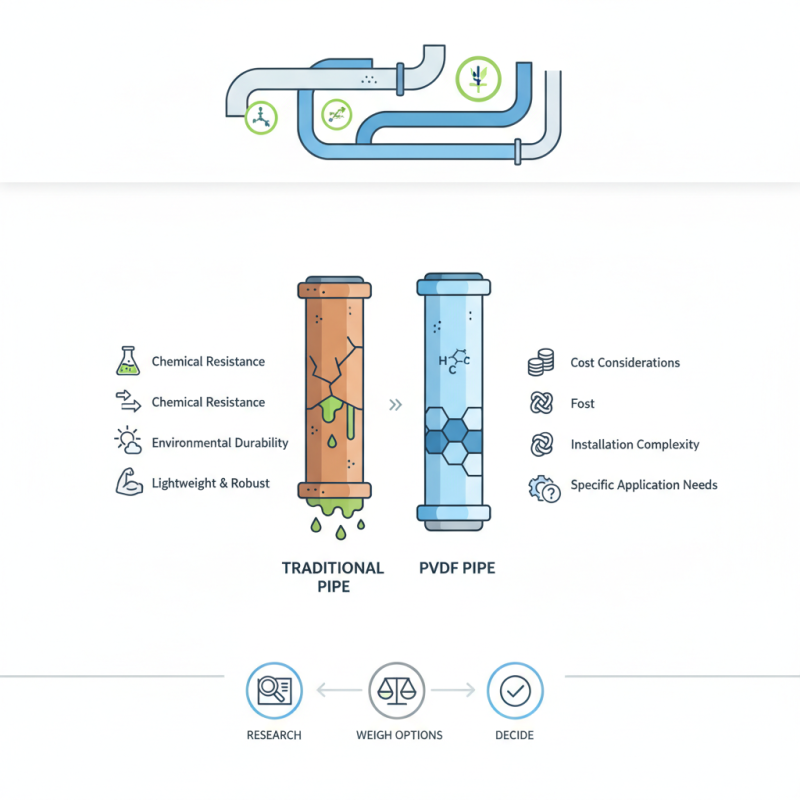
Consider the challenges faced in industries dealing with corrosive substances. Traditional piping materials often fall short, leading to costly repairs and downtime. In contrast, PVDF pipe stands strong against these adversities. It is lightweight yet robust, providing both ease of installation and reliability. However, it is important to weigh factors like cost and complexity before making a final decision.
Moreover, the performance of PVDF pipe can vary based on the specific application and environment. Users must reflect on their unique requirements and the implications of their choices. Only then can they fully appreciate the advantages of choosing PVDF pipe for their next project.
Benefits of PVDF Pipe in Chemical Processing Applications
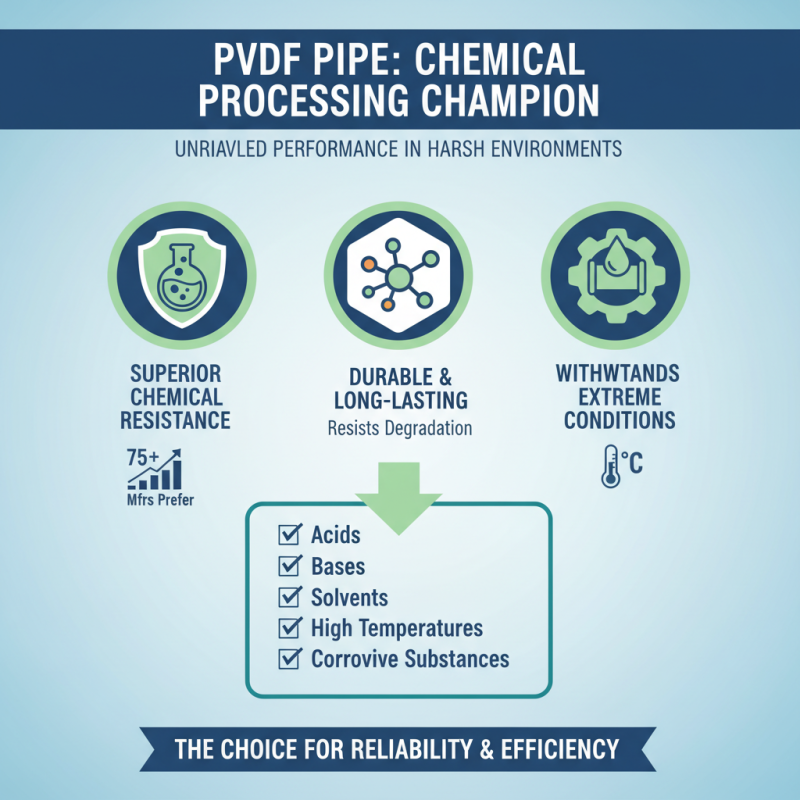
PVDF pipe has emerged as a preferred choice in chemical processing due to its impressive properties. This material exhibits exceptional resistance to a wide variety of chemicals. According to a recent industry report, over 75% of chemical manufacturers prefer PVDF for handling corrosive substances. Its unique molecular structure allows it to withstand harsh environments that would typically degrade other materials.
In addition to chemical resistance, PVDF is known for its thermal stability. The material maintains its integrity at temperatures ranging from -40°C to +150°C. This makes it suitable for both cryogenic and high-temperature applications. Industry experts point out that using PVDF can lead to a reduction in maintenance costs. By minimizing leaks and failures, companies can save up to 30% in operational expenses.
However, PVDF pipe systems can be more expensive upfront compared to alternatives. It's essential to weigh this cost against long-term savings. There can also be challenges in installation due to its rigidity. Adequate training for personnel is critical to avoid mishaps. Despite these considerations, the benefits often outweigh the drawbacks, particularly in demanding chemical processing environments.
Durability and Longevity: The Advantages of PVDF in Pipe Systems
PVDF, or Polyvinylidene Fluoride, is a popular choice for piping systems due to its exceptional durability and longevity. In environments exposed to high temperatures or aggressive chemicals, PVDF pipes perform reliably. They resist corrosion and oxidation, making them a smart investment for any project requiring sturdy materials. This resilience means less maintenance and fewer repairs over time.
When selecting materials, consider the specific conditions of your project. What are the temperatures and chemicals involved? Understanding these factors can influence your choice. PVDF can handle temperatures ranging from -40°C to 150°C, which may exceed your expectations. Remember that even durable materials have limits. Regular inspections are crucial to ensure your system remains in optimal condition.
Tips: Always consult with a professional to confirm your material choice. Don't overlook installation quality; even the best pipes can fail if not installed correctly. Choose a trusted supplier to source your PVDF pipes, ensuring you receive reliable products. Selecting the right materials is vital, but their application and care are equally important.
Comparative Analysis: PVDF vs. Traditional Pipe Materials
When it comes to piping solutions, PVDF (Polyvinylidene Fluoride) offers significant advantages over traditional materials. Its exceptional chemical resistance makes it suitable for corrosive environments. In industries like pharmaceuticals and chemicals, this reliability is crucial. PVDF pipes endure harsh conditions that can quickly degrade metals and other plastics.
Moreover, the lightweight nature of PVDF enhances installation efficiency. Traditional pipes often require more labor and equipment for handling. This contrasts with PVDF, where ease of transport can lead to cost savings. However, it’s vital to understand that PVDF can be more expensive than conventional materials upfront.
Looking at long-term performance, PVDF can outperform in lifecycle costs. While initial expenses are higher, maintenance and replacement can be less frequent. This reflects a deeper commitment to sustainability and efficiency. Yet, not every application may justify the higher initial investment. Evaluating project specifics will ensure the right choice.
Thermal Stability of PVDF: Performance at Extreme Temperatures
PVDF (polyvinylidene fluoride) pipe is gaining traction in various industries for its impressive thermal stability. It performs remarkably well under extreme temperatures, ranging from -40°C to 150°C. According to a study by the American Society of Mechanical Engineers, PVDF maintains its integrity and mechanical properties even at high heat, making it ideal for chemical processing and semiconductors. This durability allows for safer and more efficient operations, which is critical in demanding environments.
When selecting piping materials, consider the thermal properties. PVDF shows low thermal conductivity, which helps reduce energy costs in heating or cooling systems. However, it’s essential to verify compatibility with specific chemicals, as not all materials can withstand certain corrosive environments. A vigilance in proper testing can save time and resources in the long run.
Tip: Always consult technical specifications for the chemical resistance of PVDF before use.
PVDF's high resistance to thermal degradation can lead to a longer lifecycle compared to metals or other plastics. A report from the Plastic Pipe Institute notes that PVDF can outperform traditional materials in terms of lifespan in extreme conditions. Yet, users must be aware of installation challenges, as improper handling can lead to performance issues. Hence, training your team on best practices is vital.
Tip: Regularly review operational protocols to ensure high performance and compliance.
Cost-Effectiveness: Long-Term Savings with PVDF Pipe Solutions
When considering material options for piping in various applications, PVDF (Polyvinylidene Fluoride) pipes stand out due to their long-term cost-effectiveness. Research shows that while initial investments might be higher than traditional materials, PVDF pipes offer substantial savings over their lifespan. The longevity and durability of PVDF can lead to reductions in maintenance and replacement expenses. In fact, industry reports suggest that PVDF installations can last up to 25 years, considerably reducing lifetime costs.
PVDF’s resilience to corrosive chemicals makes it an ideal choice for industries such as pharmaceuticals and chemicals. A study from the Chemical Engineering Journal highlighted that PVDF reduces failure rates, which can save companies thousands in downtime and repair costs. Furthermore, the lightweight nature of PVDF allows for easier handling and reduced shipping costs, which adds value in initial logistics and installation expenses.
While the upfront cost of PVDF may deter some budget-conscious project managers, careful analysis reveals its potential for long-term savings. Investing in PVDF today can lead to fewer disruptions later. This material also promotes environmental sustainability. As more projects prioritize eco-friendliness, PVDF can meet those requirements without compromising performance.
Why Choose PVDF Pipe for Your Next Project? - Cost-Effectiveness: Long-Term Savings with PVDF Pipe Solutions
| Dimension |
PVDF Pipe |
Traditional Pipe |
Cost Savings (%) |
| Lifespan (Years) |
25 |
10 |
40 |
| Maintenance Frequency (Years) |
5 |
2 |
50 |
| Initial Installation Cost ($/m) |
150 |
100 |
- |
| Annual Operating Cost ($) |
20 |
50 |
60 |
| Total Cost Over 25 Years ($) |
5250 |
10000 |
47.5 |