Why Choose a Water Ring Vacuum Pump for Your Business Needs?
When considering the most efficient equipment for industrial applications, the Water Ring Vacuum Pump stands out. Its unique design not only optimizes performance but also addresses various business needs. This pump operates using water as a sealing liquid, which creates a stable vacuum without introducing contaminants into the process.
Businesses seeking reliable vacuum solutions often encounter challenges. Traditional pumps can be noisy, less efficient, and require frequent maintenance. The Water Ring Vacuum Pump mitigates these issues. Its quieter operation and lower energy consumption can lead to significant cost savings over time. Moreover, the pump’s reliability minimizes downtime, allowing for smoother operations.
Choosing the right equipment requires careful consideration of factors such as efficiency and reliability. While other options exist, the Water Ring Vacuum Pump proves to be a smart investment for businesses prioritizing sustainability and performance. Its efficiency and reduced environmental impact make it a worthy consideration in today’s eco-conscious market.
Benefits of Water Ring Vacuum Pumps in Industrial Applications
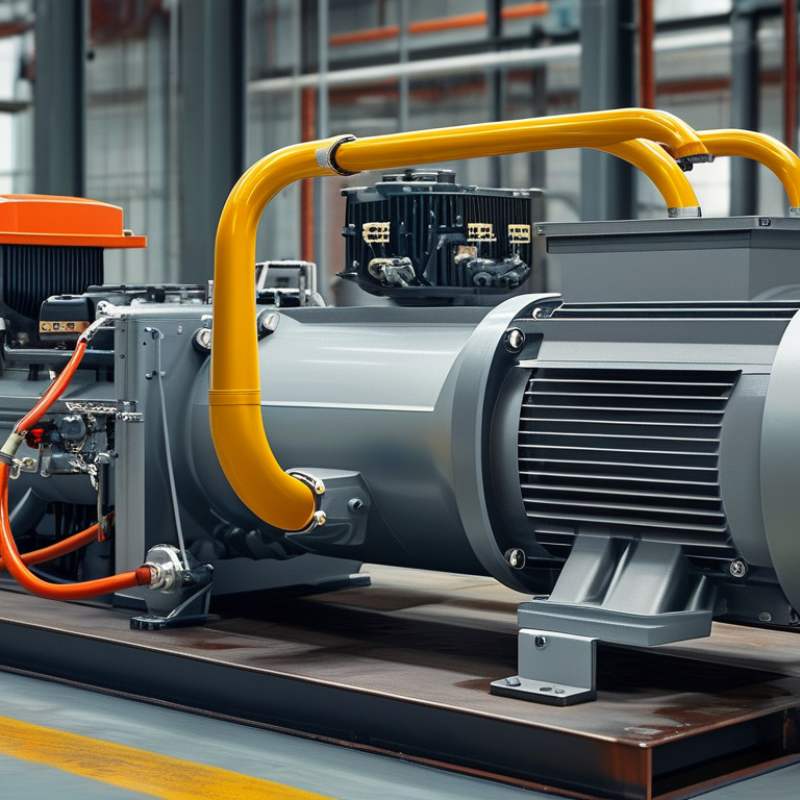
Water ring vacuum pumps are gaining traction in industrial applications due to their efficiency and reliability. These pumps utilize water as a sealing liquid, which helps minimize operational costs and energy consumption. According to industry reports, water ring vacuum pumps can provide vacuum levels up to 29.9 inches of mercury. This makes them suitable for various processes, including distillation, drying, and degassing.
One significant advantage of water ring vacuum pumps is their ability to handle condensable vapors without affecting performance. In processes where chemicals are involved, a reliable vacuum system is crucial for safety and efficiency. Data suggests that these pumps reduce maintenance costs by approximately 30% compared to dry vacuum systems. Users report that this reliability leads to fewer unplanned downtimes, creating a more stable production environment.
Tips: Ensure the water quality used in the pump system is appropriate. Sediments can affect performance and lead to damage. Regularly check and replace the water to maintain efficiency.
Moreover, while water ring vacuum pumps offer many benefits, they are not without shortcomings. For instance, they require a constant water supply, which might be an issue in areas with limited resources. Balancing operational needs with
environmental sustainability is a challenge. Keep these factors in mind when considering water ring vacuum pumps for your operations.
Comparative Analysis: Water Ring vs. Oil-Sealed Vacuum Pumps
When considering vacuum pumps, a water ring design often emerges as a strong contender against oil-sealed options. Water ring vacuum pumps utilize water as a sealing fluid, making them environmentally friendly. They are generally easier to maintain since they do not require oil changes. Oil-sealed pumps, while effective, often need more care to prevent contamination. This could lead to increased operational costs over time.
One key difference is operational temperature. Water ring pumps remain stable in various conditions. They handle changes in temperature well, which can be beneficial for many applications. Oil-sealed pumps can suffer from overheating issues, leading to potential breakdowns.
Tips: When choosing a vacuum pump, consider your specific application. Evaluate your operational environment. A water ring pump might suit industries dealing with heat-sensitive processes. Regular maintenance on oil-sealed pumps is critical. Neglect might shorten their lifespan and increase expenses unexpectedly.
Environmental Impact of Using Water Ring Vacuum Pumps
Water ring vacuum pumps are becoming more popular due to their minimal environmental impact. These pumps utilize water as a sealing fluid, which reduces the emission of harmful gases. Unlike other vacuum technologies, they do not require oil and thus minimize the risk of environmental contamination. This design ensures that pumping systems are more sustainable.
Using water in vacuum pumps also allows for easy maintenance. The water can be reused and recirculated within the system, conserving resources. However, there are challenges. Water quality is crucial; impurities can decrease efficiency. Regular monitoring is essential to prevent performance issues. Sustainable practices must include proper disposal of any contaminated water.
Businesses must consider these factors seriously. While water ring pumps offer a greener alternative, the balance of consumption and waste management is key. Organizations should train staff to enhance awareness of environmental practices. In doing so, they can reap the benefits while reducing their carbon footprint.
Why Choose a Water Ring Vacuum Pump for Your Business Needs? - Environmental Impact of Using Water Ring Vacuum Pumps
| Dimension | Value |
| Typical Energy Consumption | 10-25 kWh/ton |
| Water Usage | 200-500 liters/hour |
| Noise Level | 60-85 dB |
| Typical Vacuum Level | 20-80 kPa |
| Maintenance Frequency | Every 6-12 months |
| Typical Lifespan | 5-10 years |
| Recyclability | High (water can be reused) |
Efficiency Metrics: Energy Consumption and Performance Ratings
Choosing a water ring vacuum pump can significantly impact energy efficiency and operational performance. Recent studies indicate that these pumps can consume up to 50% less energy compared to traditional vacuum systems. This can lead to substantial savings on utility bills, particularly for businesses operating around the clock.
Performance ratings for these pumps also reflect their reliability. A report from the Vacuum Pump Manufacturers Association reveals that water ring vacuum pumps maintain high efficiency in varying operational conditions. Their ability to handle vapor and liquid without damaging components is an essential advantage. This resilience contributes to longer service life and reduced downtime—critical factors for any business striving for continuous productivity.
Despite these advantages, some businesses still face challenges. Initial installation and maintenance can be complex. Users often report the need for technical training, as inefficient operation can lead to performance issues. Therefore, it is vital to invest time in understanding the system's requirements. While water ring vacuum pumps offer impressive metrics, careful consideration is necessary to maximize their benefits.
Cost-Effectiveness and Maintenance of Water Ring Vacuum Pumps
Water ring vacuum pumps are increasingly favored for their cost-effectiveness. These systems utilize water, making them an economical choice for many industrial applications. According to a recent report from the International Vacuum Technology Association, water ring vacuum pumps can reduce operational costs by up to 30% compared to traditional pumps. This significant reduction can be crucial for businesses seeking to optimize budgets without compromising performance.
Maintenance is another key advantage. Water ring vacuum pumps are relatively easy to maintain. Their design minimizes wear and tear, leading to longer service intervals. Industry statistics reveal that these pumps can operate effectively with reduced maintenance efforts, cutting downtime by approximately 20%. However, regular checks on water quality and pump seals are still essential for optimal performance. Ensuring the right water type reduces corrosion risks, which can lead to unexpected repairs and replacement costs.
Despite their benefits, reliance on water ring vacuum technology must be balanced. In some environments, water availability may pose challenges. Additionally, while these pumps are efficient, they may not always provide the highest vacuum levels required for specific processes. Businesses should evaluate their unique needs before fully committing to this technology. It is important to weigh the trade-offs to ensure that the selected solution genuinely meets operational demands.
Cost-Effectiveness and Maintenance of Water Ring Vacuum Pumps