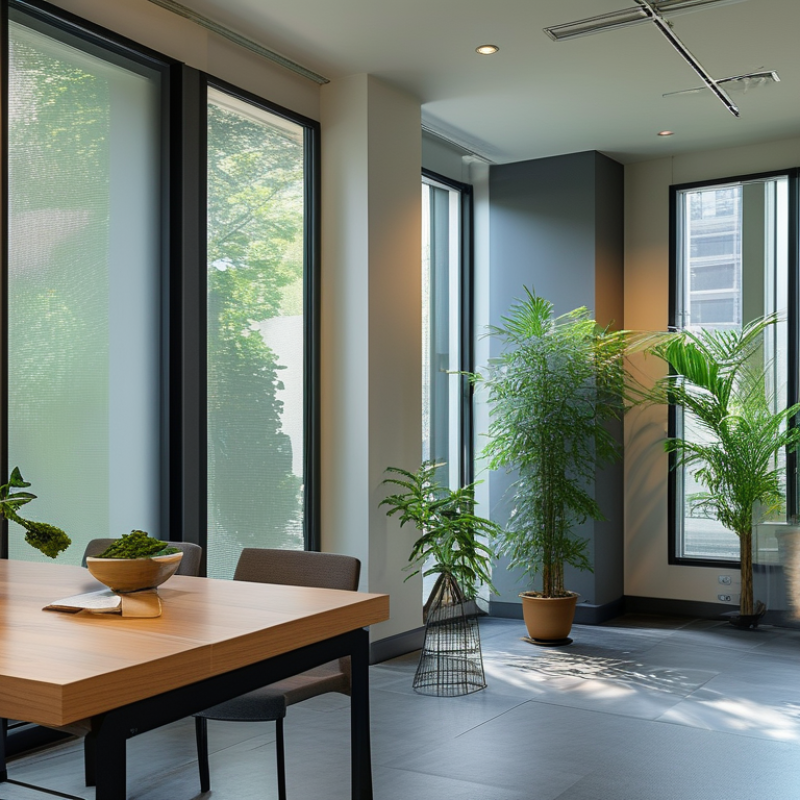
How to Choose the Best Smart Film for Your Project?
Choosing the right Smart Film for your project can be challenging. Smart film technology offers versatility in modern design. It meets various needs, from privacy to energy efficiency.
When selecting smart film, consider your specific application. Think about the environment where it will be installed. The right film enhances comfort and aesthetics. Different types of smart film have unique properties.
Don’t overlook the importance of quality and performance. Installation can vary, affecting the final outcome. Research brands and user reviews for reliable options. Making an informed choice leads to better results.
Understanding Smart Film Technologies and Their Applications
Smart film technologies are revolutionizing how we interact with our environments. Various types are available, including liquid crystal, polymer-dispersed liquid crystal, and electrochromic films. Each technology offers unique benefits and applications. Understanding these differences is crucial for selecting the right smart film for your project.
Liquid crystal films respond to electrical stimuli, transitioning from opaque to transparent. This feature is ideal for privacy settings in offices or homes. On the other hand, polymer-dispersed liquid crystal films are known for their energy efficiency. They provide a convenient solution for shade control in commercial buildings. Electrochromic films change color in response to voltage, enhancing aesthetics while managing heat.
Reflecting on these options can help refine choices. Assess specific needs and environments to determine which type fits best. Testing small samples can reveal unexpected results. Each smart film's performance may vary based on factors like temperature and ambient light. Keeping an open mind about potential drawbacks ensures a more informed decision.
Smart Film Technology Comparison
Key Factors to Consider When Selecting Smart Film Types
When selecting smart film for your project, focus on key factors. One critical consideration is the type of smart film technology. There are two primary categories: polymer dispersed liquid crystal (PDLC) and suspended particle device (SPD). PDLC films offer convenience but can have limited opacity. SPD films provide superior control over light and privacy but might come at a higher cost.
Another essential factor is the application context. Data from a recent industry report reveals that over 70% of smart film installations are for commercial environments, like offices and conference rooms. These spaces often require films that optimize light management and energy efficiency. Choosing the right tint is also crucial, as darker films provide better privacy but may limit natural light.
Tip: Assess the environmental conditions your film will face. Temperature fluctuations may affect performance. Also, ensure your installation surface is compatible. Adhesion might vary depending on the material.
In addition, consider the maintenance requirements. Some smart films may require regular cleaning or upkeep to remain effective. A study indicates that 50% of users underestimate the maintenance of their selected films. This can lead to unexpected costs and frustrations down the line. Prioritize materials that are easy to clean and maintain to ensure long-term satisfaction.
Comparing Performance Metrics: Light Control, Privacy, and Energy Efficiency
When selecting smart film for your project, it's vital to examine key performance metrics: light control, privacy, and energy efficiency. Light control is crucial for managing ambient brightness. A quality smart film can adjust its opacity, allowing more or less light in as needed. This adaptability enhances comfort and optimizes the use of artificial lighting.
Privacy is another important factor. Many projects require a balance between openness and seclusion. Smart films can shift from transparent to opaque, providing security without blocking out natural light. However, the effectiveness varies between products. Buyers should seek films with proven track records.
Energy efficiency also cannot be overlooked. Smart films can reduce heat transfer, leading to lower energy costs. This benefit is significant, especially in regions with extreme temperatures. Checking energy ratings can guide you in selecting the most efficient option for your needs. However, while these films offer advantages, they may not be a one-size-fits-all solution. Consider your specific requirements before making a decision.
Evaluating Cost vs. Long-term Benefits of Smart Film Solutions
When selecting smart film solutions, it's essential to weigh cost against long-term benefits. Smart film technology, which allows windows to switch from transparent to opaque, offers a unique blend of flexibility and privacy. According to a recent industry report, the initial installation cost of smart films can be about $50 to $100 per square foot. While this may seem high, the benefits can offset these costs over time.
Consider energy savings. Smart films can reduce heating and cooling expenses by controlling sunlight entry. A study by the International Energy Agency found that buildings equipped with smart film could save up to 30% on energy costs annually. The potential for lower utility bills suggests significant long-term savings. Additionally, smart films also enhance comfort and productivity in work environments. The ability to adjust light levels has been shown to boost employee satisfaction and performance.
However, not all projects will see these benefits equally. Installation costs can be steep, especially for larger projects. Maintenance and replacement are other considerations. Some smart films need replacement every 5 to 10 years, which can add costs. Effective evaluation of a project’s specific needs is critical. Not every space may benefit equally from smart films. A detailed cost-benefit analysis is essential for determining if smart film solutions are the right choice for you.
Installation and Maintenance: Best Practices for Smart Film Projects
When embarking on a smart film project, installation and maintenance are critical. Professionals in the industry suggest that proper installation can significantly impact performance and longevity. Many projects report a failure rate of about 20% due to improper application. This statistic underscores the importance of having trained personnel. They should follow manufacturer guidelines closely to avoid common pitfalls.
Maintenance is similarly vital. Routine checks can extend the life of smart films significantly. Industry data shows that regular cleaning and inspection can lower repair costs by up to 30%. Users often overlook the need for periodic maintenance, assuming that once installed, everything will run smoothly. However, dust and grime can affect performance, leading to frustration.
Furthermore, understanding the performance specifications can guide best practices. Data indicates that smart films can lose efficiency if they are not calibrated regularly. It’s essential to monitor the system regularly and make necessary adjustments. Engaging with experts for maintenance and calibration can protect your investment. The intricacies of smart film technology require attention to detail for optimal results.
How to Choose the Best Smart Film for Your Project? - Installation and Maintenance: Best Practices for Smart Film Projects
| Dimension | Type of Smart Film | Installation Complexity | Maintenance Frequency | Expected Lifespan |
| Small (up to 5 sq m) | Polymer-based | Easy | Annual | 10 years |
| Medium (5 - 15 sq m) | Liquid Crystal | Moderate | Biannual | 8 years |
| Large (15 - 30 sq m) | Suspended Particle | Challenging | Quarterly | 5 years |
| Extra Large (over 30 sq m) | Electrochromic | Very Challenging | Monthly | 15 years |