Why Choose Plastic Pipe for Your Next Plumbing Project?
When considering plumbing projects, the choice of materials is crucial. Many experts advocate for plastic pipes due to their durability and cost-effectiveness. John Smith, a leading expert in the plastic pipe industry, once said, “Plastic pipes are revolutionizing plumbing efficiency.” This statement highlights the growing preference for plastic pipes among professionals.
Plastic pipes are lightweight and easy to install. They resist corrosion and scale buildup. This brings long-term benefits, especially in areas with hard water. However, not everyone is convinced. Some critics argue about the longevity of plastic compared to traditional materials. Additionally, concerns over environmental impact linger. It’s essential to weigh these factors carefully.
In an era focused on sustainability, plastic pipes offer innovative solutions. Their versatility allows for various applications, from residential to commercial use. Yet, it's important to reflect on how we perceive this modern material. Not all plastic pipes are created equal, making quality selection vital for success.

Advantages of Plastic Pipes Compared to Traditional Materials
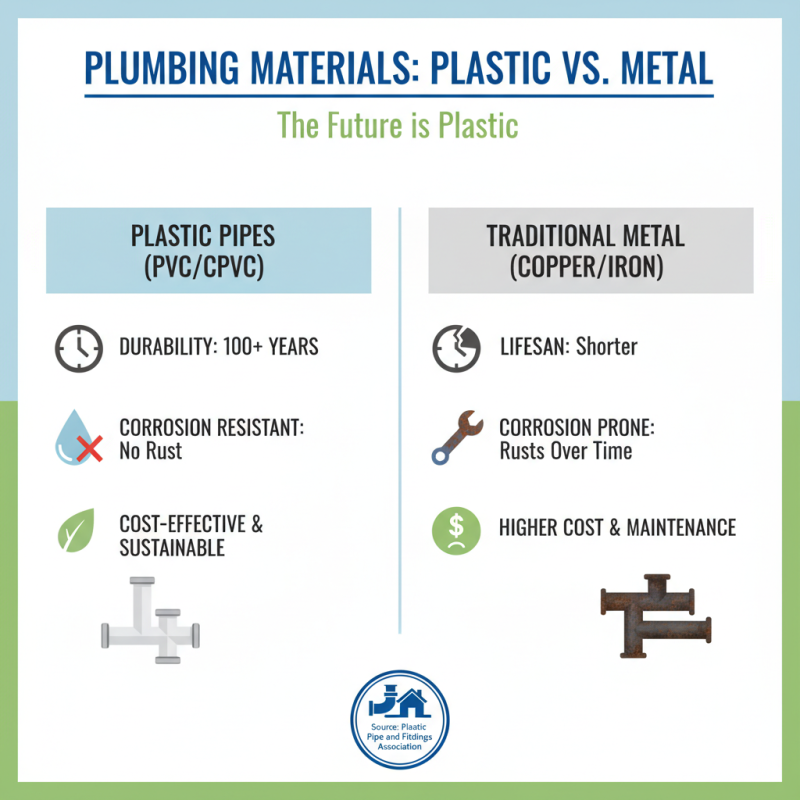
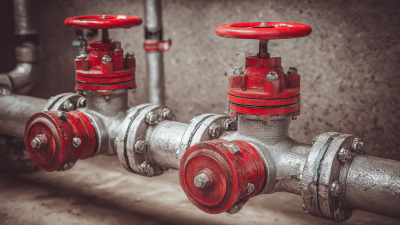
When it comes to plumbing projects, the choice of materials is crucial. Plastic pipes, specifically PVC and CPVC, have emerged as a strong alternative to traditional metals like copper and iron. According to a report by the Plastic Pipe and Fittings Association, plastic pipes can last over 100 years. This durability is largely due to their resistance to corrosion. Unlike metal, plastic doesn't rust or corrode from water exposure.
Moreover, plastic pipes are significantly lighter. This makes them easier to transport and install. A study from the National Association of Home Builders found that the weight reduction can lower labor costs by up to 30%. Many installers appreciate the ease of handling plastic materials. However, the flexibility of plastic pipes can lead to concerns about support and stability in certain applications. Ensuring proper installation is essential for long-term performance.
Energy efficiency is another advantage. According to the American Society of Civil Engineers, plastic pipes require less energy to produce. This contributes to a lower carbon footprint for plumbing systems. However, the environmental impact of plastic production is still a topic of debate. It's vital to weigh the benefits against the challenges plastic can present, especially regarding recycling and long-term sustainability.
Types of Plastic Pipes Commonly Used in Plumbing Projects
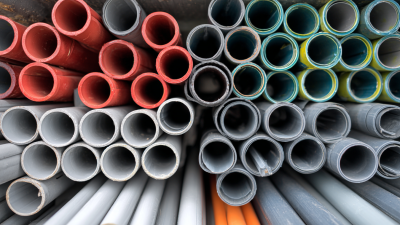
When considering plastic pipes for plumbing, many types come into play. Polyvinyl Chloride (PVC) is one of the most popular materials. It is lightweight and easy to install. According to the Plastic Pipe and Fittings Association, PVC pipes represent a significant portion of the plumbing market. They are versatile and can be used for waste removal and potable water systems.
Another common type is Cross-Linked Polyethylene (PEX). PEX pipes are flexible, making them easier to work with in tight spaces. They resist temperature extremes and have a lower chance of bursting in freezing conditions. A report by the American Water Works Association highlights that PEX usage has increased by over 35% in recent years.
Tip: When choosing plastic pipes, consider the project’s requirements. Think about the working environment, water temperature, and pressure limits.
Lastly, there's Acrylonitrile Butadiene Styrene (ABS), often found in drainage systems. ABS pipes are known for their toughness and shock resistance. However, their color can fade over time due to UV exposure. Reflect on whether the aesthetic aspect matters for your plumbing project.
Tip: Always verify local building codes before installation. Compliance can save time and money.
Durability and Longevity of Plastic Pipes in Varied Conditions
Plastic pipes have become a popular choice for plumbing projects due to their impressive durability and longevity. These pipes resist corrosion, which often plagues metal alternatives. They perform well in a variety of environments, including extreme temperatures and moisture-prone areas. This resilience can lead to fewer repairs, saving both time and money.
In addition to corrosion resistance, plastic pipes can handle water pressure effectively. Their flexibility allows for easier installation, especially in complex layouts. However, one must consider that not all plastic pipes are created equal. Factors like UV exposure can weaken some types over time. It’s crucial to select the right type for the specific conditions of your project.
While plastic pipes generally last longer than traditional materials, they are not infallible. Improper installation can lead to leaks, potentially causing significant damage. Regular inspection is key to maintaining their integrity. When weighed against their benefits, the potential pitfalls can be managed with careful planning and consideration.
Cost-Effectiveness of Plastic Pipes in Plumbing Installations
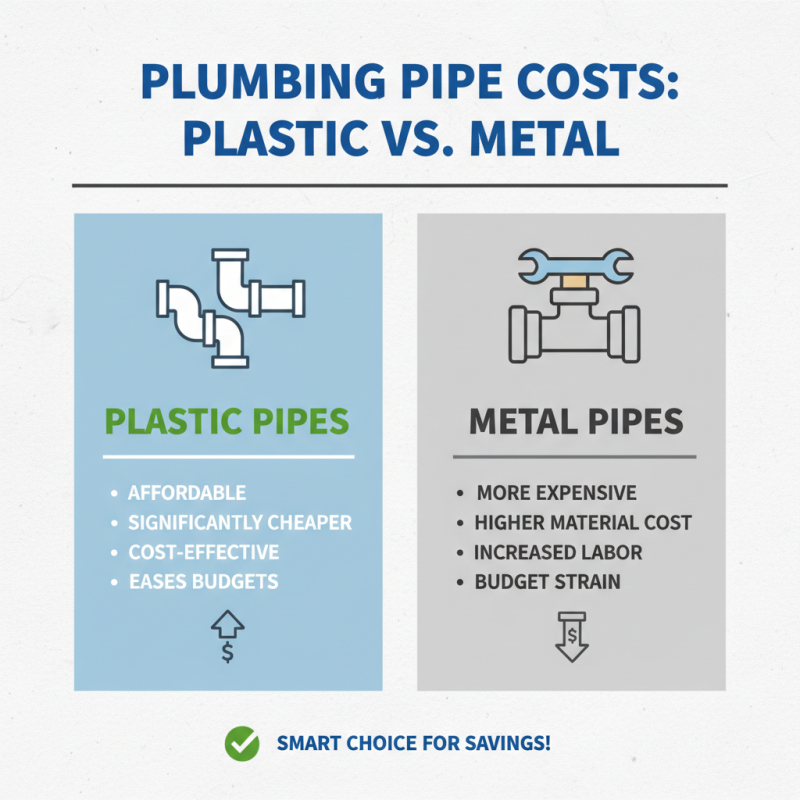
When it comes to plumbing installations, cost is often a crucial factor. Plastic pipes stand out for their affordability. Compared to metal options, they are significantly cheaper. This cost-effectiveness can benefit both contractors and homeowners. Budget constraints are common, and choosing plastic can ease financial burdens.
In addition to the initial savings, plastic pipes often require less maintenance. They resist corrosion and do not rust. This means fewer repairs over time. However, it's important to note that their longevity can vary based on the environment. Extreme temperatures may affect their durability. This is a vital consideration before finalizing any project.
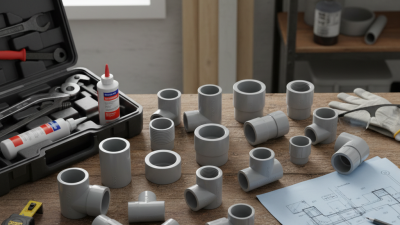
Moreover, the ease of installation with plastic pipes can lead to labor cost savings. They are lightweight, making them simpler to handle. Fewer tools are needed, and the installation process can be faster. Nonetheless, attention must be paid during installation to prevent issues later. Missteps can lead to leaks, which aren’t cost-effective in the long run. Thus, while there are many benefits, careful planning and execution are essential for better outcomes.
Environmental Impact and Sustainability of Using Plastic Pipes
The environmental impact of plastic pipes has been a topic of discussion among industry experts. According to a report by the Plastics Pipe Institute, around 90% of plastic pipes are made from recycled materials. This greatly reduces the need for new resources. However, the production process still requires energy, which is an area for improvement.
Plastic pipes are known for their durability and longevity. The National Association of Corrosion Engineers found that they can last over 100 years. This means fewer replacements and less waste in landfills. Yet, not all plastic pipes are created equal. Some may degrade under UV light or extreme temperatures, raising questions about their long-term sustainability.
Another key point is the energy efficiency during installation. Plastic pipes are lighter, which saves on fuel costs during transportation. According to the American Society of Civil Engineers, using plastic can reduce greenhouse gas emissions by 60% compared to other materials. Still, it's essential to consider the entire life cycle of these pipes to assess their true environmental impact. Balancing the benefits with potential drawbacks remains an ongoing challenge in the industry.
Why Choose Plastic Pipe for Your Next Plumbing Project? - Environmental Impact and Sustainability of Using Plastic Pipes
| Dimension |
Plastic Pipe |
Traditional Pipe |
Environmental Impact |
| Material |
Polyvinyl Chloride (PVC) |
Metal (Copper, Steel) |
Lower carbon footprint |
| Lifespan |
50+ years |
30-50 years |
Reduced waste due to longevity |
| Weight |
Lightweight |
Heavy |
Lower transportation emissions |
| Corrosion Resistance |
High |
Low |
Reduced need for replacements |
| Recyclability |
Yes |
Limited |
Promotes circular economy |