How to Choose the Right Hydraulic Adapter for Your Needs?
Choosing the right Hydraulic Adapter is crucial for optimal performance in various applications. According to a recent industry report by Grand View Research, the hydraulic adapter market is projected to grow significantly, driven by advancements in automation and smart hydraulic systems. The global demand for high-quality hydraulic adapters reflects the necessity for efficiency and reliability in operations.
When selecting a hydraulic adapter, it is essential to consider material compatibility, pressure ratings, and connection types. Different applications require specific characteristics to prevent leaks or failures. For instance, stainless steel adapters are ideal for corrosive environments, while brass adapters are often used for general purposes. However, the wide range of options can be overwhelming, leading to costly errors if not properly assessed.
Many users face challenges in understanding specifications. A mismatched adapter can result in pressure loss or equipment damage. Therefore, consulting with industry experts and suppliers can help clarify doubts. They provide valuable insights into the latest standards and innovations in hydraulic adapter technology. Spending time on research and seeking advice can prevent potential operational pitfalls and enhance the overall efficiency of hydraulic systems.
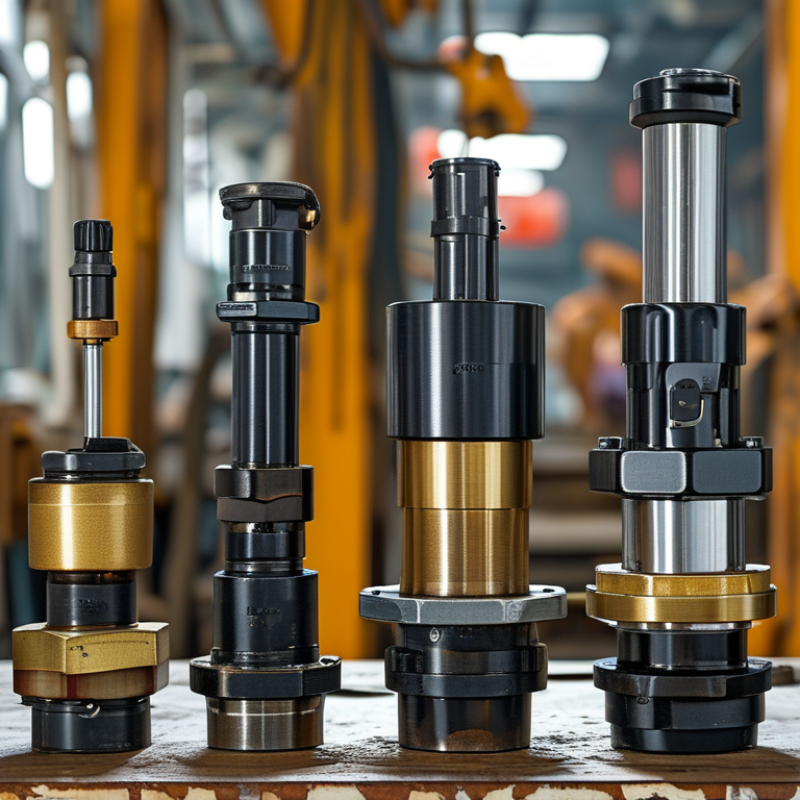
Understanding Hydraulic Adapters and Their Uses
Hydraulic adapters play a crucial role in connecting various components within a hydraulic system. They allow different parts, such as hoses and fittings, to work together seamlessly. Understanding their types and uses is essential for any hydraulic system setup. Common types include straight connectors, elbows, and tees, each serving specific functions. It’s important to select the right type based on the hydraulic flow direction and space constraints.
When choosing a hydraulic adapter, consider the material. Adapters can be made from steel, brass, or aluminum. Steel is durable and withstands high pressures, while brass offers good corrosion resistance. However, not all materials are suitable for every application. Inspect the working environment and potential chemical exposure to ensure compatibility.
Installation can be tricky. A poor connection may lead to leaks or system failures over time. It’s vital to follow precise torque specifications during installation. Be mindful of the adapter size. An incorrect fit can cause significant issues. Reflect on past installations to learn from mistakes. Selecting the right hydraulic adapter requires careful consideration of these factors.
Types of Hydraulic Adapters and Their Applications
When selecting a hydraulic adapter, understanding the types available is crucial. Hydraulic adapters come in various forms, such as couplings, elbows, and tees. Each type serves a specific purpose in hydraulic systems. Couplings allow for quick connections and disconnections. Elbows help redirect fluid flow, while tees create branching points in the system. Using the right type ensures optimal performance.
Choosing the correct adapter also depends on the application. For high-pressure systems, durable materials are essential. Adapters must withstand extreme conditions. Failing to select the proper type can result in leaks or failures. Consider the environment where the adapter will function. Some adapters withstand heat better than others. Also, look for compatibility with existing systems. It can save time and reduce errors, but remember that adapters may need to be replaced periodically.
Types of Hydraulic Adapters and Their Applications
Factors to Consider When Selecting Hydraulic Adapters
Selecting the right hydraulic adapter is crucial for ensuring efficiency and safety in hydraulic systems. When choosing an adapter, consider the pressure rating. Each application has specific pressure requirements. A mismatch can lead to failure or leaks, creating hazards in the workplace.
Another factor is the size and thread type. Adapters come in various dimensions. Ensure the adapter fits your existing hoses and couplings. Measure accurately to avoid costly errors. Some users overlook this step, leading to compatibility issues.
Tips: Always consult the specifications before purchasing. Verify the material compatibility with your hydraulic fluid. This can prevent corrosion and extend the lifespan of components.
Additionally, evaluate the
environmental conditions. Temperature and exposure to elements can affect adapter performance. Some environments may require specialized adapters. Ignoring this can result in poor performance or premature failure.
Tips: Regular inspections and maintenance are vital. Look for wear and tear signs on your adapters. This proactive approach can save time and money in the long run.
How to Measure for Proper Hydraulic Adapter Fit
Choosing the right hydraulic adapter relies heavily on proper measurements. Accurate measurement is crucial for ensuring a secure and functional fit. Start by identifying the thread type. Common types include NPT and BSP. Each thread has distinct characteristics, affecting how securely they connect. Misidentifying the thread size can lead to leaks or failures.
Next, measure the outer diameter of the male fitting. Use calipers for precision. Ensure that you check the depth of the thread as well. Sometimes, the visible length can be misleading. Also, take into account the inner diameter of the female fitting. Taking a moment to measure these attributes can save time and reduce frustrations later.
Don’t forget the fitting alignment. Misalignment can hinder functionality, causing excessive wear. Moreover, consider the working pressure and temperature limits of your application. Underestimating these factors can lead to catastrophic failures. Reflect on your choices as you go. Each decision plays a part in the system's efficiency and safety.
How to Choose the Right Hydraulic Adapter for Your Needs? - How to Measure for Proper Hydraulic Adapter Fit
| Adapter Type | Connection Size (inches) | Material | Pressure Rating (psi) | Temperature Rating (°F) |
| Straight Adapter | 1/4 | Steel | 3000 | 200 |
| Elbow Adapter | 1/2 | Aluminum | 2500 | 180 |
| Tee Adapter | 3/8 | Brass | 4000 | 220 |
| Caps and Plugs | 3/4 | Plastic | 1500 | 120 |
| Quick Connect Adapter | 1 | Stainless Steel | 5000 | 250 |
Common Mistakes to Avoid When Choosing Hydraulic Adapters
When selecting hydraulic adapters, common mistakes can jeopardize your system's performance. One frequent error is neglecting to match the adapter with the required specifications. It's essential to consider factors like pressure ratings and fluid compatibility. Many users overlook these details, leading to leaks or failures.
Another pitfall is ignoring the connector size and type. Using an incorrect size will cause frustration and potentially damage equipment. Ensure accurate measurements before purchasing. Misjudging the material of the adapter can also have repercussions. Not all materials work well in every environment. Take the time to assess your application needs.
Some may rush the decision, prioritizing cost over quality. While saving money is crucial, investing in reliable adapters pays off. Unreliable products might lead to costly repairs. Don’t forget to consult experts. Their insights can help navigate these challenges. Mistakes are part of the learning process; embrace them to improve your selection skills.