Why Choose TFT Display for Your Next Project?
When selecting a display type for your project, TFT Display stands out as a reliable choice. Its vibrant colors and sharp image quality make it appealing for various applications. Many professionals prefer TFT Displays for their responsiveness and clarity. This technology offers excellent viewing angles and brightness, meeting the demands of modern devices.
In recent years, the affordability of TFT Displays has improved significantly. While this is beneficial, it’s important to evaluate whether it meets your unique requirements. Understanding the trade-offs can lead to better decisions. TFT Displays do consume more power than some alternatives, which is a point to consider.
The combination of affordability, quality, and versatility marks TFT Displays as a practical option. Yet, like any technology, it has limitations. A deep dive into specific use cases can reveal both strengths and weaknesses, guiding you toward the right display for your project. Ultimately, TFT Displays hold potential, but careful consideration is necessary for successful implementation.
Advantages of TFT Displays Over Other Display Technologies
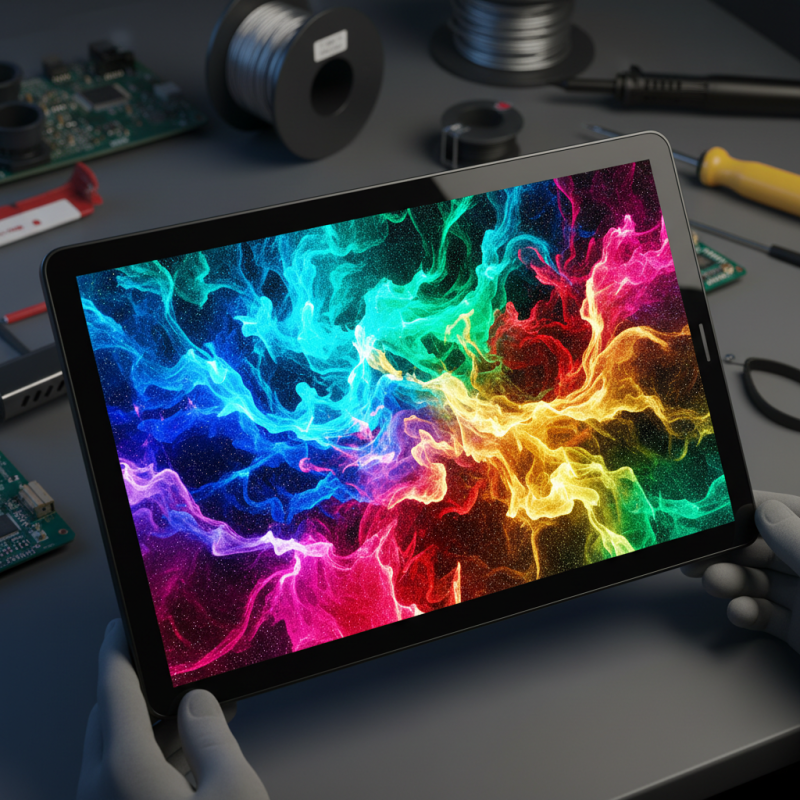
TFT displays, or thin-film transistor displays, offer multiple advantages for various projects. One key benefit is their superior image quality. TFT technology provides vibrant color reproduction and sharp contrast. This makes them ideal for applications requiring high visual fidelity. Users often appreciate the clarity in images and text that TFT displays deliver.
Another advantage is their versatility. TFT displays can be tailored to fit a range of sizes and resolutions. This flexibility allows them to be integrated into numerous devices, from handheld gadgets to large screens. However, the complexity of designing custom TFT displays can pose a challenge and requires careful planning.
Response time is another factor where TFT displays shine. They offer fast refresh rates, making them suitable for dynamic content. Users often notice smoother transitions in video and animations. That said, the need for proper heat management and power supply considerations can't be overlooked. Balancing performance and efficiency is crucial in utilizing TFT displays effectively.
Why Choose TFT Display for Your Next Project? - Advantages of TFT Displays Over Other Display Technologies
| Feature | TFT Display | Other Display Technologies |
| Color Quality | High color reproduction and vibrant colors | Limited color depth and accuracy |
| Viewing Angles | Wide viewing angles with minimal color shift | Narrow viewing angles often resulting in distortions |
| Response Time | Fast response times for smooth motion | Slower response times can lead to ghosting effects |
| Power Consumption | Generally low power consumption | Higher power consumption depending on technology |
| Durability | Robust and durable against environmental elements | May not offer the same level of durability |
| Cost | Cost-effective for high-quality outputs | Can be more expensive for comparable quality |
Key Features of TFT Displays That Enhance User Experience
When considering a display for your next project, TFT (Thin Film Transistor) technology stands out. TFT displays offer vibrant colors and high contrast ratios. This enhances visual appeal. Users enjoy sharper images, making their interactions more engaging.
Key features include fast response times. TFT displays can refresh quickly, reducing motion blur in videos and games. This is particularly beneficial for applications like gaming and video conferencing where smooth graphics matter. A quick tip: always check the refresh rate specification. It affects the display performance significantly.
Another advantage is the view angle. TFT displays typically have wider viewing angles compared to older technologies. This means that images remain clear and colors accurate, even from different angles. However, remember that not all TFT displays perform equally. It's wise to test various models to find the best fit for your needs. Comfortable user experience hinges on the right choice.
Applications of TFT Displays in Various Industries
TFT (Thin Film Transistor) displays have become increasingly popular across various industries for their vivid colors and clarity. In healthcare, these displays are integral to medical imaging devices. They produce sharp images, allowing medical professionals to make accurate diagnoses. Customization options in size and resolution help tailor displays to specific equipment, enhancing user experience.
In the automotive sector, TFT displays are common in dashboard applications. Drivers benefit from high-resolution graphics, which show real-time data such as speed and navigation. These displays can sometimes lag, leading to potential safety concerns. Regular updates and thoughtful design can improve responsiveness.
Consumer electronics also leverage TFT technology. Smartphones and tablets utilize these displays for dynamic visual content. Features like touch sensitivity amplify user interaction. Yet, the fragility of TFT screens is a challenge. Manufacturers must find ways to balance display quality with durability to meet consumer demands. In each application, understanding the limitations alongside the advantages is crucial for successful implementation.
Cost Considerations When Choosing TFT Displays for Projects
When considering TFT displays for your next project, cost is a critical factor. These displays can vary significantly in price based on size, resolution, and features. Evaluate the minimum requirements for your project. This helps avoid overspending on unnecessary features. A well-defined budget can guide your choices effectively.
Tips: Always compare suppliers. Prices can fluctuate widely. Look for bulk purchasing options to reduce costs. Understand the total cost of ownership, including potential replacement expenses. Sometimes a cheaper display may lead to higher maintenance costs over time.
It’s essential to balance quality and budget. Cheaper displays may not provide the necessary durability. You might end up replacing them sooner. Research your options carefully. Consider user reviews and reliability ratings. This can lead to a more informed decision. Seeking expert advice can also strengthen your understanding of TFT displays. Prioritize what truly matters for your project to ensure a reliable outcome.
Future Trends in TFT Display Technology and Innovations
TFT (Thin Film Transistor) displays are at the forefront of display technology. They offer vibrant colors and rich contrasts, making them popular in various applications. As technology evolves, new trends are reshaping the capabilities of TFT displays.
One emerging trend is the integration of advanced materials. Flexible displays are becoming a reality, allowing for creative designs. This innovation opens up possibilities for wearables and curved screens. However, developing these materials remains a challenge due to their cost and durability issues. Designers must consider these factors carefully.
Another area of growth is energy efficiency. Enhanced power management systems are being designed to reduce energy consumption. This is crucial for battery-operated devices. However, achieving a balance between image quality and energy savings can be tricky. As we look to the future, the collaboration between engineers and designers will be vital.
Future Trends in TFT Display Technology
This chart illustrates the key focus areas in the future trends of TFT display technology, showcasing the emphasis on resolution, power efficiency, color accuracy, refresh rates, and cost reduction.