How to Choose the Best Carbon Filters for Your Needs?
Choosing the best Carbon Filters can be a daunting task. With many brands and types available, understanding your needs is crucial. Carbon filters are essential for air and water purification. They effectively reduce contaminants, improving quality and safety.
Knowledge of carbon filters is vital. They work by adsorbing impurities and odors, thanks to activated carbon's porous nature. The efficiency of a filter varies based on its design and intended use. Some filters focus on air, while others target water. This distinction influences the selection process.
When selecting carbon filters, consider specific factors. The size of your space and the level of contamination are important. Each filter has its strengths and weaknesses. Researching product specifications can lead to better choices. Remember, the right carbon filter improves your environment significantly. Yet, it's easy to overlook details that matter most. Engaging with reliable sources can enhance understanding and decision-making.
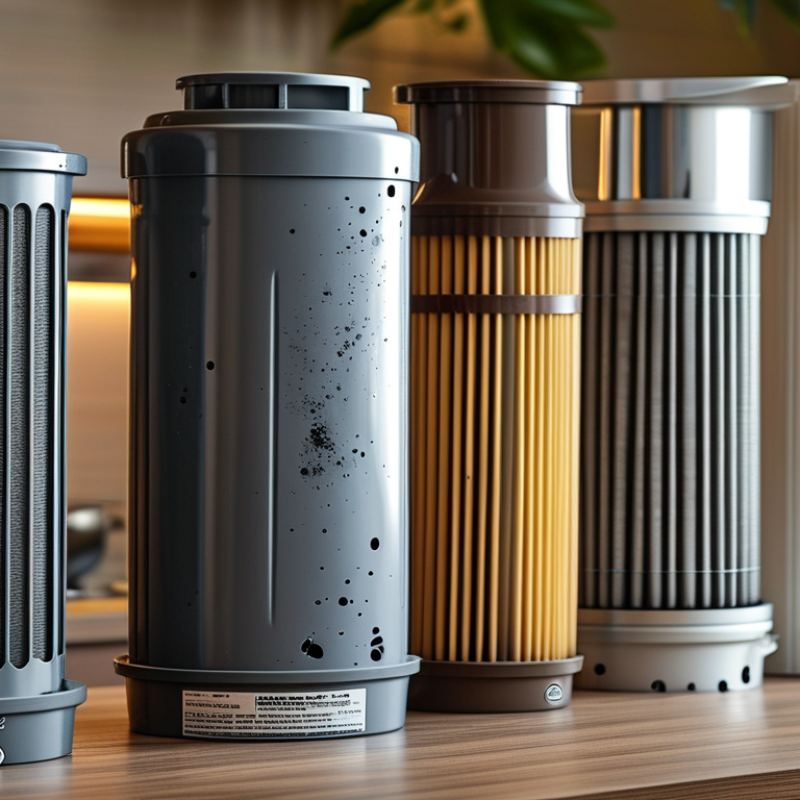
Understanding the Basics of Carbon Filters and Their Functionality
Carbon filters are essential tools for air and water purification. They are made from activated carbon, which has a high surface area, allowing it to trap impurities effectively. Understanding how they work is crucial for making informed choices. These filters can adsorb chemicals, odors, and volatile organic compounds, making environments healthier.
When selecting a carbon filter, consider its specific applications. Some filters are designed for air purification, while others cater to water filtration. The quality and type of carbon used also matter. Not all activated carbon is created equal. Look for filters with high-quality materials that suit your needs. It’s worth noting that filters need regular maintenance and replacement to ensure optimal performance.
Ensure to evaluate factors like flow rate and filter lifespan. Some users may find it challenging to balance effectiveness with maintenance needs. An underperforming filter can lead to disappointment, so thorough research is advisable. Understanding your specific requirements will aid in making the right decision for your home or office.
How to Choose the Best Carbon Filters for Your Needs?
| Filter Type | Application | Average Lifespan (Months) | Cost ($) |
| Air Purifier Filter | Indoor Air Quality | 6-12 | 25-50 |
| Water Filter | Drinking Water | 12-24 | 30-70 |
| Aquarium Filter | Fish Tanks | 3-6 | 15-40 |
| HVAC Filter | Home Heating and Cooling | 3-12 | 20-60 |
| Odor Control Filter | Commercial Kitchens | 6-12 | 50-100 |
Identifying Different Types of Carbon Filters Available on the Market
When selecting carbon filters, it's essential to understand the different types available. Common types include activated carbon filters, granular activated carbon, and carbon block filters. These variations differ in their filtration capabilities and applications. For instance, activated carbon filters are highly effective for removing odors and contaminants from air, while granular activated carbon is often used for water purification.
Industry data indicates that activated carbon filters can reduce harmful VOC levels by up to 99%. This statistic underscores their importance in maintaining healthier environments. However, not all filters perform equally. It’s crucial to match the filter type to specific needs, such as air quality or water purification.
Tips: Always check the filter's certification, as it ensures effective performance. Consider your specific needs when choosing a filter type. Regularly replace filters to maintain optimal filtration efficiency. While many products claim high effectiveness, you may find variability in actual performance. Thus, reviewing independent studies can be beneficial for informed choices. Understanding your requirements and exploring various options can lead to better filtration solutions tailored to your situation.
Assessing Your Specific Filtration Needs and Requirements
When selecting the best carbon filters, it's crucial to assess your specific filtration needs. Do you want to eliminate odors or remove contaminants? Identifying your primary goal will help narrow down your options. Different filters cater to different requirements. For instance, some focus on air purification, while others excel in water filtration.
Tips: Consider what contaminants are most relevant to you. If you live in a city, air pollution might be a bigger concern. For well water users, heavy metals could top your list. It's advisable to test your water or air quality. This data guides your choice.
Think about the filter's lifespan. Some carbon filters require frequent replacement. Others last longer but may cost more upfront. Weight the long-term savings against initial expenses. Are you comfortable with ongoing maintenance? Balancing convenience and effectiveness helps make a better decision.
Finding the right fit takes time and experimentation. You might not get it right the first time. Keep your needs and any changing circumstances in mind. Flexibility in your approach can lead to better outcomes.
Carbon Filter Efficiency Comparison
Evaluating Key Features and Specifications of Carbon Filters
When evaluating carbon filters, consider the material quality. High-quality activated carbon adsorbs impurities effectively. Look for filters made from granulated activated carbon. These types generally perform better than others. Pay attention to the filter's surface area, as more surface means better absorption.
The design matters too. Ensure the fit is compatible with your setup. Some filters have added layers for extra protection. Check for certification details; this indicates testing for effectiveness. Not all filters are created equal, so ask for unbiased reviews when possible. Certifications can offer a bit of assurance against misleading claims.
Consider flow rate as well. A filter that works too slowly can be frustrating. You want efficiency without sacrificing quality. Sometimes lower-priced options seem great but may lack durability. Reflect on long-term costs versus initial investment. Relying on cheaper filters can lead to wasted time and resources. Think critically about your choices and their impact on air quality.
Making an Informed Decision: Price, Brand, and Warranty Considerations
Choosing the right carbon filter involves careful consideration of several factors. Price is crucial. Affordable options may seem tempting, but they often compromise on quality. Higher-priced filters generally use better materials, leading to improved performance. Evaluate your budget, but remember that skimping can cost more in the long run.
Brands play a significant role in your decision. Established brands often have a reputation for reliability. Look for ones with positive customer reviews. They tend to offer better warranties, reflecting confidence in their products. A good warranty can provide peace of mind. However, be cautious; not all brands offer honest claims.
Don't overlook the fine print of warranties. Some may seem generous but have conditions that are not immediately clear. Always read the details. Reflect on your specific needs. Are you looking for effectiveness in specific contaminants? Analyze the claims critically. Your choice should align with your personal requirements and the quality you expect.