How to Choose the Best Clear Pipe for Your Project?
When selecting the best clear pipe for any project, various factors must be considered. According to a recent report by the International Association of Clear Plastic Manufacturers, the clear pipe market is growing steadily, driven by industrial applications and increasing consumer demand. Expert James Thompson, a leading figure in the industry, notes, "Choosing the right clear pipe is not just about clarity; it involves understanding the material properties and intended use."
Understanding the specifications of clear pipes is crucial. They are available in various materials such as acrylic and polycarbonate, each with unique strengths. The right choice significantly impacts performance and longevity. Projects requiring high transparency may prioritize acrylic, while those needing durability may lean towards polycarbonate.
Moreover, the application context matters. Factors like temperature resistance, chemical exposure, and UV stability can affect your decision. Often, professionals overlook these details, leading to issues later. A thoughtful approach can prevent costly mistakes. Choosing the correct clear pipe is a blend of science and practical understanding that ensures the success of your project.
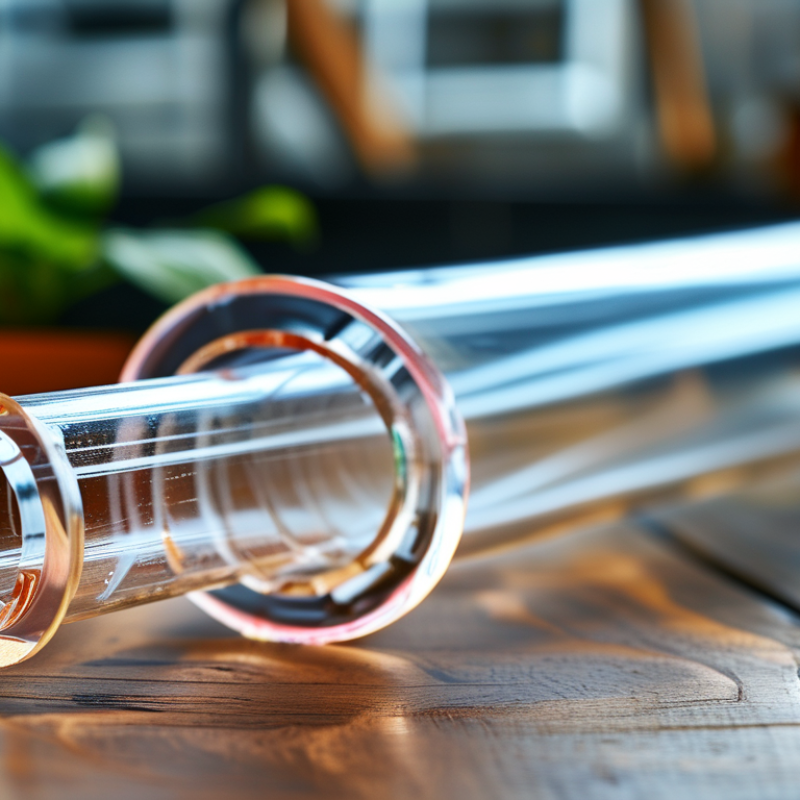
Understanding Different Types of Clear Pipes Available in the Market
When selecting a clear pipe for a project, it's crucial to understand the various types available. Clear PVC pipes are commonly used for their transparency and flexibility. They offer excellent chemical resistance, making them suitable for many applications. According to industry reports, the clear PVC market has seen steady growth, with a projected CAGR of 4.5% through 2026. This growth indicates rising demand across construction and manufacturing sectors.
Another option is acrylic pipes. These pipes are known for their optical clarity. Manufacturers often recommend them for applications requiring visibility. However, acrylic can be more brittle than PVC and may require careful handling. Reports highlight that while acrylic pipes provide aesthetic benefits, they may not be ideal for high-pressure systems.
Lastly, polycarbonate pipes offer a unique blend of strength and transparency. They excel in environments where impact resistance is critical. However, they are often more expensive than their PVC counterparts. In assessing these materials, it's essential to weigh factors like cost, strength, and intended use. Each type has its pros and cons, emphasizing the importance of thorough research in project planning.
Evaluating Material Options for Clear Pipes: Acrylic vs. Polycarbonate
When evaluating material options for clear pipes, acrylic and polycarbonate emerge as leading contenders. Acrylic, known for its excellent clarity, boasts a light transmission rate of up to 92%. This makes it an attractive option for projects requiring high visibility. However, it is less impact-resistant than polycarbonate. Studies suggest that polycarbonate can withstand more than 250 times the impact of glass, making it ideal for projects needing durability.
Polycarbonate also offers better temperature resistance, functioning effectively in a broader range. It remains stable in temperatures up to 270 degrees Fahrenheit. In contrast, acrylic may warp or yellow when exposed to high heat or UV rays. On the other hand, the manufacturing process for acrylic tends to create more waste compared to polycarbonate, leading to environmental concerns. Professionals often emphasize the importance of these factors when selecting materials for long-term projects.
Yet, the right choice may also depend on project-specific needs and budget constraints. Acrylic might be more cost-effective for short-term applications. In contrast, polycarbonate’s longevity and strength justify its higher price tag. Ultimately, understanding the distinct characteristics of each material allows for informed decisions and helps avoid costly mistakes.
Determining the Right Diameter and Thickness for Your Project Needs
Choosing the right diameter and thickness for clear pipes significantly impacts your project's success. The diameter should match the fluid flow requirements, while the thickness ensures structural integrity. According to industry reports, pipes with a diameter of 0.5 to 6 inches are widely used in various applications. For example, a 2-inch diameter pipe can handle an average flow rate of about 30 gallons per minute, suitable for many household needs.
When considering thickness, it's essential to balance strength and flexibility. Thinner pipes are lighter and easier to handle but may not withstand high pressure. Reports suggest that a wall thickness of 0.125 inches is adequate for most low-pressure applications. However, in demanding environments, thicker pipes, around 0.5 inches, are advisable to prevent deformation.
Choosing the right size isn't always straightforward. Many projects may require adjustments based on specific pressure ratings and environmental factors. It’s crucial to review the project specifications carefully. Consult industry standards, which often provide guidelines for optimal performance.
Pipes are not universally perfect. Every application presents unique challenges. Regularly reassess your choices based on research and real-world feedback. Understanding the strengths and limitations of pipe materials can lead to better decisions over time.
Assessing Chemical Compatibility for Clear Pipe Applications
Choosing the right clear pipe requires understanding its chemical compatibility. When materials interact with specific chemicals, they can deteriorate or lose functionality. For instance, clear PVC is compatible with many acids, but it can deform under high temperatures.
Many industrial reports indicate that over 50% of failures in chemical transport systems arise from material incompatibility. A study by the Plastics Industry Association shows that improper chemical selection can lead to leaks and ruptures. This can result in costly repairs and significant downtime for operations.
Consider the specific chemicals in your application. Research their interaction with various transparent materials. Some commonly used clear pipes include acrylic and polycarbonate. However, they have different resistance levels to solvents and strong acids. Knowing the chemical properties helps in making a knowledgeable decision. Transparency is essential for monitoring flow, but safety and longevity must not be overlooked. Choosing the best pipe requires balancing both visibility and durability while keeping maintenance in mind.
How to Choose the Best Clear Pipe for Your Project? - Assessing Chemical Compatibility for Clear Pipe Applications
| Application |
Material |
Chemical Compatibility |
Temperature Range (°C) |
Pressure Rating (psi) |
| Water Delivery |
PVC |
Good |
0 to 60 |
160 |
| Chemical Processing |
Polycarbonate |
Moderate |
-40 to 120 |
100 |
| Food and Beverage |
Glass Reinforced Nylon |
Excellent |
-20 to 90 |
150 |
| HVAC Systems |
Acrylic |
Good |
-40 to 80 |
120 |
| Aquariums |
Polyethylene |
Very Good |
0 to 50 |
80 |
Considering Special Features and Accessories for Enhanced Performance
Choosing the right clear pipe for a project goes beyond mere transparency. Special features and accessories can greatly enhance performance. For instance, pipes with UV resistance can extend longevity in outdoor settings. According to industry data, UV degradation can reduce the lifespan of standard clear pipes by up to 50%. Opting for UV-stabilized materials is a wise investment.
Reinforced fittings can prevent leaks and ensure secure connections. When assessing accessories, consider spiral supports for added durability. These supports can improve load-bearing capacity by 30%. Moreover, specialized adhesive options can create robust joints, increasing resistance to environmental stressors.
When selecting clear pipes, don’t overlook temperature tolerance. Some applications require pipes that withstand extreme conditions. Failing to choose appropriately can lead to costly failures. Each project has unique needs, and reflecting on these can guide the decision. Enhancing performance may require special materials or innovative designs that align with your objectives. Take the time to explore all available options.