How to Choose the Best CPVC Pipe for Your Project?
Selecting the right CPVC pipe for a project is crucial for long-term durability and performance. The global market size for CPVC pipes is projected to reach $10.7 billion by 2027, according to industry reports. This growth highlights the increasing reliance on CPVC due to its resistance to heat and corrosion. It's essential to consider factors like pressure ratings, diameter, and connection types when making a choice.
Numerous manufacturers provide a range of CPVC pipes. Each option has unique specifications tailored to various applications. Notably, certain companies report that over 75% of plumbing professionals prefer CPVC due to its lightweight nature and ease of installation. However, selecting the ideal CPVC pipe is not just about convenience. Misjudging your project's needs can lead to costly repairs or replacements down the line.
Scrutinizing product certifications and compliance with industry standards significantly impacts reliability. Yet, many tradespeople overlook this critical step. Ensuring your CPVC pipe meets both local codes and performance expectations is fundamental. Consequently, making an informed decision could safeguard your project and budget.
Understanding CPVC Pipe and Its Applications
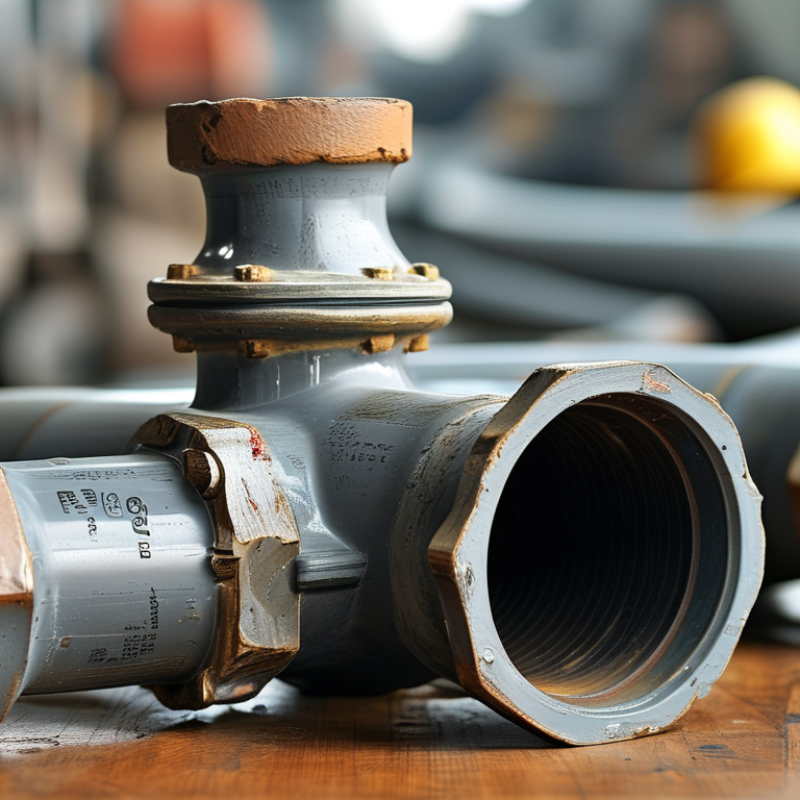
CPVC pipe, or chlorinated polyvinyl chloride pipe, offers a durable option for various plumbing applications. It is widely used in residential and commercial projects. The material is resistant to heat, making it suitable for hot water transport. CPVC pipes are also less prone to corrosion and chemicals. This makes them a reliable choice for different environments.
When selecting CPVC pipe, consider your project's specific needs. The diameter, wall thickness, and length can significantly impact performance. Ensure that the pipe meets your needed pressure ratings. Proper installation is crucial as well. Inadequate fittings can lead to leaks or failures. Always double-check that the chosen pipe size aligns with local codes and standards.
Remember that not all projects are the same. Some may require a different type of piping. Evaluate your long-term needs and potential future upgrades. While CPVC offers many benefits, it is essential to remain adaptable. Continuous learning about materials and installations can help you make better choices.
CPVC Pipe Applications and Market Share
Key Factors to Consider When Choosing CPVC Pipe
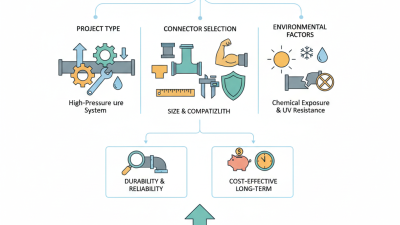
When selecting CPVC pipes, several factors play a critical role. Understanding the specific needs of your project is essential. Consider the temperature and pressure ratings of the pipe. Ensuring the pipe can handle the intended conditions is crucial for long-term performance. Many users overlook this detail until issues arise, resulting in costly repairs.
Another important factor is the size of the CPVC pipe. Accurate measurements are vital. A pipe that is too small can restrict flow, while one that is oversized may lead to inefficient performance. Take the time to calculate your requirements based on the project demands. Many people rush through this step and face challenges later.
Lastly, consider the installation process. Some pipes require specific fittings and tools that may not be widely available. Reviewing the installation guidelines can prevent unforeseen complications. It's common for DIY enthusiasts to underestimate the complexity of installation, leading to frustration. Balancing these factors will guide you toward making the right choice for your project.
Comparing CPVC Pipe Sizes and Diameters
When selecting CPVC pipes for your project, understanding sizes and diameters is crucial. CPVC comes in various sizes, typically measured in nominal pipe size (NPS). Common diameters range from 0.5 inches to 12 inches, impacting both flow rate and pressure. According to industry reports, using the correct diameter can enhance system efficiency and reduce costs. A 2-inch diameter pipe can carry fluid at a significantly higher rate than a 1-inch pipe while maintaining lower friction loss.
Choosing the right diameter isn't just about flow. Factors like installation conditions and future needs are also essential. A report by the American Society of Plumbing Engineers emphasizes the importance of considering potential future extensions, which may require larger diameters. This foresight can prevent costly modifications later.
When comparing pipe sizes, consider the materials and fittings compatible with your chosen diameter. Some sizes may offer better options for bends and joints, which can affect installation time. Unconventional choices sometimes lead to delays and budget overruns.
Monitoring local codes is also important. Regulations can dictate specific sizes for certain applications. Understanding these requirements can help avoid compliance issues, making your project smoother and more efficient.
Evaluating CPVC Pipe Quality and Certifications
When selecting CPVC pipes, it’s essential to assess their quality and certifications. The American National Standards Institute (ANSI) and the ASTM International (formerly known as the American Society for Testing and Materials) establish crucial standards for CPVC materials. According to ASTM D2846, CPVC pipes must endure pressures up to 100 psi, ensuring they can handle diverse applications. Reliable products should also meet the NSF/ANSI 61 certification, which confirms the safety of materials for potable water.
Quality often hinges on manufacturing processes. Pipes produced under stringent quality control protocols show fewer defects. A study published in the Journal of Plastic Pipe suggests that pipes made with high-quality ingredients exhibit better resistance to corrosion and chemical exposure. It’s worth noting that even slight shortcomings in the production process can lead to significant performance issues down the road. Evaluating these factors can help ensure long-lasting and safe installations.
Moreover, recognizing the importance of third-party certifications cannot be overstated. These certifications often include rigorous quality assurance measures. A report from the Plastics Pipe Institute indicates that non-compliant pipes can cause failures, leading to costly repairs. Inadequate testing and oversight can compromise the entire system. Therefore, extra caution in validating quality standards is crucial for any project involving CPVC piping.
How to Choose the Best CPVC Pipe for Your Project? - Evaluating CPVC Pipe Quality and Certifications
| Dimension |
Specification |
Standard Certification |
Temperature Rating (°F) |
Pressure Rating (PSI) |
| 1/2 inch |
SCH 40 |
ASTM D2846 |
180 |
100 |
| 3/4 inch |
SCH 40 |
ASTM D2846 |
180 |
90 |
| 1 inch |
SCH 40 |
ASTM D2846 |
180 |
80 |
| 1 1/4 inch |
SCH 40 |
ASTM D2846 |
180 |
70 |
| 1 1/2 inch |
SCH 40 |
ASTM D2846 |
180 |
60 |
| 2 inch |
SCH 40 |
ASTM D2846 |
180 |
50 |
Installation Tips for Optimal CPVC Pipe Performance
When it comes to installing CPVC pipes, proper techniques can significantly enhance their efficiency and longevity. One crucial installation aspect is ensuring accurate measurements. A 2021 industry report highlighted that improper cutting and fitting can lead to a 30% increase in leakage rates. This emphasizes the need for precision tools and careful handling during the cutting process. Using a proper cutting saw decreases the chances of pipe damage, ensuring a tight seal when connections are made.
Another vital consideration is temperature management. CPVC pipes can soften when subjected to high heat levels, leading to potential failure. Research from the Plastics Pipe Institute states that keeping installation environments around room temperature fosters better performance. Avoid placing pipes in areas exposed to extreme temperatures during installation. Furthermore, it is essential to allow sufficient time for solvent cement to cure, usually around two hours for light pressure scenarios. Rushing this process often results in weak joints.
Additionally, regular inspections post-installation can help identify early signs of wear or misalignment. Studies indicate that systems maintained with routine checks have a 40% lower risk of sudden leaks. Thus, being proactive about maintenance can enhance the lifespan of CPVC systems significantly.