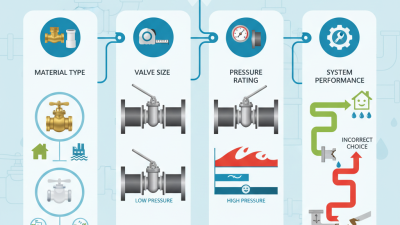
How to Choose the Right Swing Check Valve?
Choosing the right swing check valve is not a matter of matching pipe size alone. The valve must control reverse flow while fitting the fluid, pressure, temperature, and installation space. A poor choice may cause water hammer, leakage, noisy operation, or premature wear. That sounds simple. Yet the details matter.
This guide explains how experienced engineers assess swing check valves before approving a specification. It considers body materials, seat design, disc movement, pressure class, connection type, and maintenance access. It also examines flow direction and mounting position, because gravity helps the disc close correctly. For example, a horizontal pipeline may need a different arrangement from a vertical line with upward flow. Small installation drawings can prevent expensive field corrections. Manufacturer data remains essential.
Reliable selection starts with verified operating data, not assumptions copied from an old purchase order. Check the media carefully, including suspended solids, corrosive chemicals, viscosity, and cleaning requirements. Then compare published performance ratings with the actual system conditions. A valve that works well in clean water may struggle in abrasive service. No guide replaces a qualified review of the complete piping system. I would also question any recommendation that ignores maintenance space or emergency isolation. Those omissions can become costly. This article offers a practical framework for making a safer, more defensible choice.
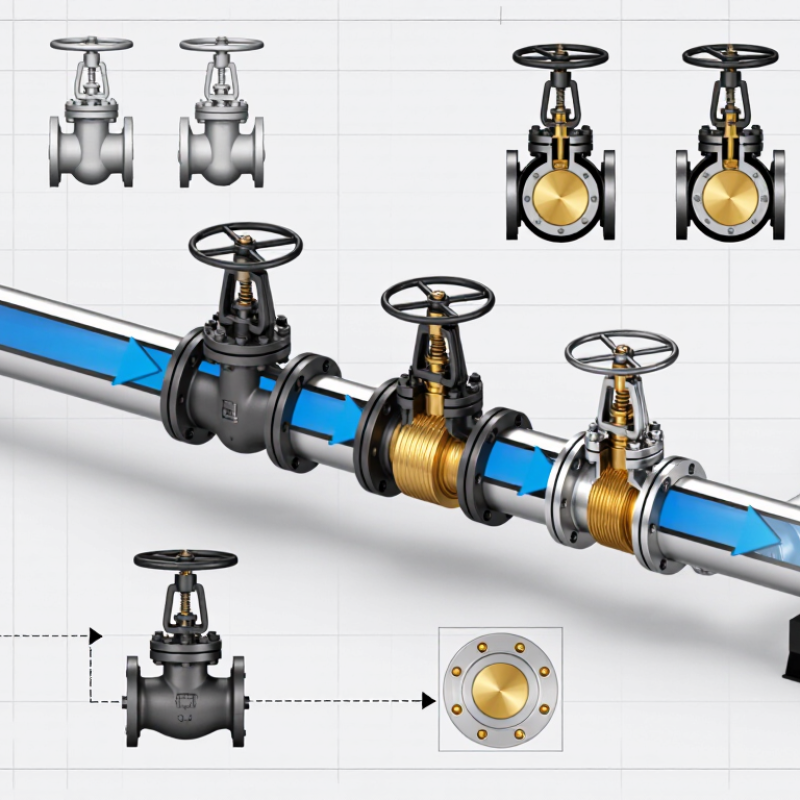
Understanding How a Swing Check Valve Works
How to Choose the Right Swing Check Valve?
Understanding How a Swing Check Valve Works
A swing check valve controls flow without an external actuator. Inside, a hinged disc moves with the fluid. Forward pressure lifts the disc from its seat. It swings open. When flow slows or reverses, gravity and backpressure move the disc closed. The disc then seals against the seat, helping prevent reverse flow into pumps, tanks, or process lines.
Correct sizing depends on more than pipe diameter. Flow velocity, pressure, temperature, and fluid cleanliness all affect performance. A valve that is too large may operate weakly at low flow. A valve that is too small can create unnecessary pressure loss. In pump discharge piping, rapid closure may also contribute to water hammer. A quieter design or controlled closing action may be more suitable there. Small details matter.
Installation direction is critical. The hinge usually needs a suitable position for gravity-assisted closing. Always follow the manufacturer’s installation instructions and inspect the line for welding debris, rust, or scale. Contamination can hold the disc open slightly. That small gap may cause leakage and repeated impact. During selection, compare seat materials with the fluid’s chemistry and operating temperature. Metal seats can tolerate demanding conditions, while resilient seats may provide tighter sealing in cleaner services. Field conditions are not always ideal, so relying only on catalog pressure ratings can be misleading. A final review by a qualified piping engineer remains necessary.
Identifying the Right Valve Size and Connection Type
Selecting a swing check valve starts with accurate sizing, not guesswork.
Measure the pipe’s inside diameter, operating flow, pressure, temperature, and fluid condition. The valve’s nominal size should match the piping system, but the disc must also open fully at the minimum flow rate. An oversized valve may chatter. A small valve can create excessive pressure loss. The U.S. Department of Energy’s Improving Steam System Performance guide identifies pressure drop and poor component selection as common causes of energy waste. That warning applies beyond steam service.
Connection type matters just as much.
Flanged ends suit larger pipelines and repeated maintenance, while threaded ends fit smaller, lower-pressure lines. Wafer-style connections save space, but they require correct flange alignment and enough room for disc movement. Check the pressure class against ASME B16.5 requirements. Confirm face-to-face dimensions with ISO 5752 before ordering. These details prevent an expensive field modification.
I have seen drawings show “DN100” without specifying the flange rating.
That is not enough. Review the actual bolt pattern, gasket material, and installation direction. For clean water, a velocity near 1–3 m/s is often practical, but the final value depends on noise, erosion, and system design. The Hydraulic Institute emphasizes using verified flow data rather than relying on nominal pipe size. I would also question every catalogue value. Published data can assume ideal conditions. Real pipelines rarely do.
Matching Valve Materials to the Operating Environment
Choosing the right swing check valve begins with the operating environment, not the purchase price. Carbon steel suits many clean-water and general-service systems. Stainless steel is safer where chlorides, washdown, or mild chemicals are present. Duplex stainless steel can offer stronger resistance in severe seawater service, but its cost and welding requirements deserve careful review.
Temperature and pressure change the decision quickly. A valve installed beside a hot pump may face thermal cycling, vibration, and sudden reverse flow. The body material must match the fluid, while the disc, hinge pin, seat, and fasteners need separate evaluation. AMPP’s IMPACT study estimated global corrosion costs at about 3.4% of global GDP. It also reported that 15–35% of corrosion costs could be prevented. Material selection is not a minor detail.
I check chloride levels, pH, suspended solids, flow velocity, and cleaning chemicals before selecting materials. For sour service, ISO 15156 guidance should be reviewed with qualified corrosion specialists. Elastomer seats can fail earlier than metal bodies. That detail is often missed. A bronze valve may perform well in clean water, yet struggle in aggressive industrial fluid. I would not trust a generic material chart alone. Field history, test records, and actual fluid analysis should challenge the first selection.
How to Choose the Right Swing Check Valve?
Matching valve body materials to temperature and corrosion conditions is essential for reliable swing check valve service. The values below are typical material-screening guidelines; the final selection must also consider pressure class, fluid chemistry, trim, seals, and applicable standards.
Carbon steel is commonly selected for general water, oil, and non-corrosive process fluids at elevated temperatures. Ductile iron is suitable for many moderate-temperature water applications. Stainless steel 316 is preferred where chloride exposure or chemical corrosion is a concern, while duplex stainless steel offers higher resistance to chloride stress corrosion and pitting. Bronze is often used in seawater and marine services, subject to fluid chemistry and temperature limits.
Evaluating Pressure, Temperature, and Flow Requirements
Choosing the Right Swing Check Valve
Pressure, temperature, and flow determine whether a swing check valve will work reliably. Pipe diameter alone is not enough. During field inspections, I record normal, minimum, and maximum pressure. Then I compare these values with the valve’s rated working pressure. A valve may withstand a pressure test yet fail during repeated pump starts and stops. Do not guess. Include pressure surges, water hammer, and possible backpressure in the assessment.
Temperature affects material strength, disc movement, and sealing performance. Confirm the fluid temperature at startup, normal operation, and shutdown. Hot water, steam, and cold process fluids can require different construction choices. Thermal expansion can also trap pressure between closed components. Cold service is not automatically easier. I have seen small temperature changes alter fluid viscosity and delay valve closure.
Flow conditions deserve equal attention. An oversized valve may chatter when flow is low, while an undersized valve creates excessive pressure loss. Check the expected flow range, velocity, installation orientation, and allowable cracking pressure. Swing check valves need sufficient forward flow to open fully and reverse flow to close. Review certified performance data and applicable engineering standards before approval. Leave room for doubt. Real systems rarely operate exactly like design spreadsheets, so verify assumptions during commissioning and inspect for vibration, noise, or delayed closure.