
How to Choose Vaccine Bags in 2026?

How to Choose Vaccine Bags in 2026? The answer begins with temperature control, not appearance. Vaccine Bags must protect sensitive doses during storage, transport, and handover. A bright logo cannot replace tested insulation.

Dr. Michel Zaffran, a former WHO vaccine supply-chain leader, has emphasized, “There is no point in having a vaccine if it does not reach the people who need it.” His point remains practical in 2026. A suitable bag should maintain the required range, often 2°C to 8°C, for the complete journey. It should also fit validated coolant packs without touching the vaccines directly. That detail matters.

Check thermal test reports, payload capacity, leak resistance, and closure quality. Confirm whether a calibrated data logger can sit beside the doses. Review drop-test results for motorcycle routes, airport transfers, and crowded clinics. Reusable Vaccine Bags may reduce waste, but only when cleaning procedures are realistic. Single-use options may simplify operations, although disposal creates another responsibility.

Do not trust impressive claims alone. Ask for independent validation and clear operating instructions. Compare performance in summer heat, winter exposure, and delayed delivery conditions. Local regulations and public-health procedures still control the final choice.

There is no perfect bag.

A smaller bag may reduce air space, yet it can become overloaded quickly. A larger model offers flexibility, but unused space may weaken thermal stability. This guide recognizes that uncertainty. Product selection should combine evidence, field experience, and honest risk assessment. In real clinics, the best Vaccine Bags are the ones staff can use correctly, repeatedly, and without guessing.
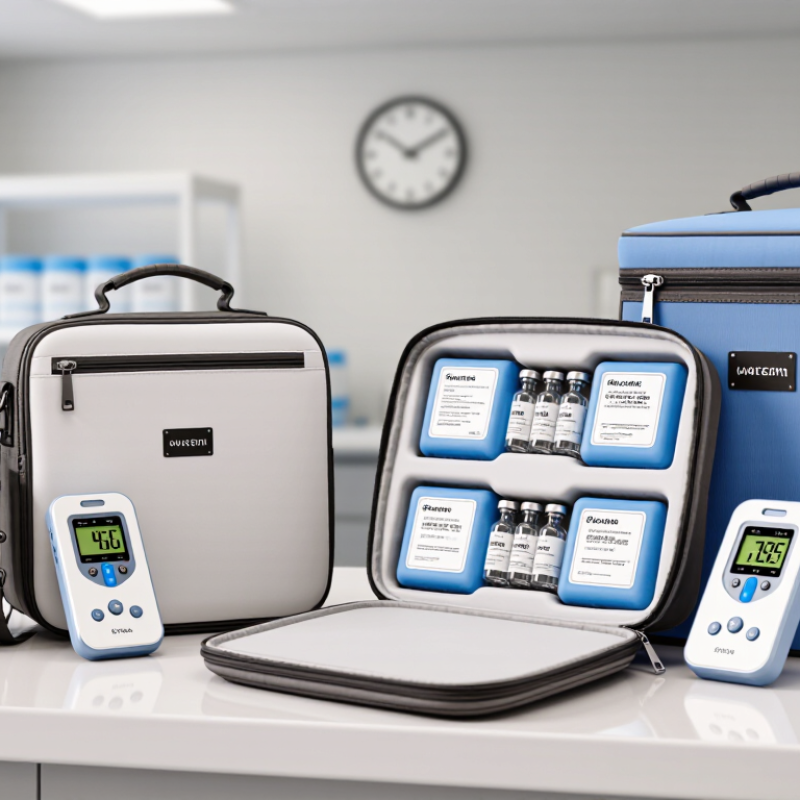
How to Choose Vaccine Bags in 2026?

What Are Vaccine Bags and Why Do They Matter in 2026?

Vaccine bags are insulated carriers designed to protect temperature-sensitive vaccines during transport and short-term handling. They are not ordinary shopping bags with ice packs. A reliable bag controls heat transfer, reduces light exposure, and keeps containers stable while staff move between clinics, vehicles, and storage rooms.

In 2026, their importance is growing. Vaccines may travel through hotter cities, remote areas, and crowded medical sites. A small temperature rise can affect product quality, even when the bag feels cool outside. The correct choice depends on the vaccine’s approved storage range, trip length, ambient temperature, and opening frequency. Many routine products require 2–8°C, but this range should never be assumed without checking official instructions.

Look for validated insulation, secure closures, washable surfaces, and enough room for conditioned cold packs. A built-in temperature logger adds evidence instead of guesswork. Test the complete setup before use. Pack arrangement, empty space, and pack temperature can change performance.

A bag can look strong and still fail.

Field staff also need simple handling. Heavy bags, confusing labels, or tight compartments invite mistakes during busy transfers. Sustainability matters too, but reusable materials are useful only when cleaning and inspection remain practical. I once considered longer cooling time the main advantage; that view was too narrow. Usability, monitoring, and realistic transport conditions deserve equal attention. No design removes every risk. Personnel still need training, documented checks, and a response plan for temperature excursions.


How to Identify Your Vaccine Storage and Transport Requirements

How to Choose Vaccine Bags in 2026?

Identifying vaccine storage and transport requirements starts with the product instructions, not the bag. Check the required temperature range, light sensitivity, freeze risk, and maximum transport time. These details determine the bag’s insulation, capacity, and cooling method. A bag designed for chilled products may not protect vaccines from freezing. That mistake can remain invisible.

Map the complete journey. Measure the time from packing to delivery, including loading delays, traffic, inspections, and handover periods. Record the expected outdoor temperature and route conditions. Use a calibrated temperature data logger inside the payload area. Place it near the vaccines, not against an ice pack. Temperature evidence matters more than assumptions.

Select a bag with enough space for conditioned coolants, protective dividers, and air circulation. Avoid overpacking. It can create uneven temperatures. Verify that the closure is secure and the inner lining is cleanable. For longer routes, consider a validated container with backup cooling capacity. A small emergency plan helps. Keep spare coolant, packing instructions, and contact details available.

Test the packed configuration before regular use. Simulate the longest route and monitor temperature changes. Repeat the test during warmer and colder weather when possible. Real conditions can expose weaknesses that product descriptions miss. Review the results with qualified vaccine-handling staff and follow current public health guidance. There is no perfect bag for every shipment. The right choice depends on evidence.

How to Compare Insulation, Materials, Sizes, and Closure Designs

How to Choose Vaccine Bags in 2026?

Insulation should match the journey, not just the product label. WHO guidance stresses that temperature excursions remain a major cause of vaccine wastage. Some vaccines require 2–8°C, while others need frozen or ultra-cold conditions. Check the validated hold time at your real ambient temperature. A thick foam wall can protect better, but it also adds weight and reduces internal space. Vacuum insulation may improve performance, yet it can raise cost and complicate repairs. No design is perfect.

Material choice affects hygiene, strength, and field handling. Food-grade, wipe-clean liners reduce contamination risks. Reinforced polyester or similar outer fabrics resist abrasion beside vehicle doors and clinic floors. Compare sizes carefully. An oversized bag wastes cooling capacity and makes loading unstable. A compact bag may fail when several diluents or temperature monitors are needed. UNICEF procurement guidance recommends matching cold-chain equipment to workload, transport duration, and local conditions. Closure design matters too. Zippers offer quick access, while roll-top closures can improve sealing during dusty travel. Test the closure with gloves.

Tips: Ask for independent temperature-mapping results, not only laboratory claims. Check whether the coolant layout protects vials from direct contact with frozen packs. Review cleaning instructions and replacement-part access. WHO reports that vaccine wastage can reach about 50% in some settings, although causes vary. That figure should encourage careful planning, not panic. I would also trial the bag with your actual pack-out; published capacity often feels optimistic.

How to Evaluate Temperature Control, Compliance, and Reusability

How to Choose Vaccine Bags in 2026?

How to Evaluate Temperature Control, Compliance, and Reusability

When choosing a vaccine bag, temperature control deserves more than a quick insulation claim. Use the temperature range specified by the product labeling and your cold-chain procedure. Check validated test reports for hot and cold conditions. A calibrated data logger should record the journey, not just the departure temperature. Do not trust appearance alone.

Compliance begins with evidence. Request material specifications, cleaning instructions, and thermal qualification records from the supplier. Confirm that the bag supports your applicable national requirements and internal handling procedures. Review logger calibration dates carefully. Small gaps in documentation can create large questions during an audit. This sounds obvious, yet it is often missed.

Reusability affects both cost and reliability. Examine zipper strength, seams, handles, and the insulation after repeated opening. The inner surface should resist leaks and allow practical cleaning between trips. After each use, inspect for crushed panels, moisture, or damaged closures. A practical mistake is assuming “reusable” means unlimited use. It does not. Set an inspection schedule and define when the bag must be removed from service. Field conditions can be rough: a crowded vehicle, a wet loading area, or a bag left briefly in sunlight. Test the bag in conditions resembling real work, not only in a clean warehouse.

How to Select, Test, and Maintain the Right Vaccine Bag

Choosing a vaccine bag in 2026 requires more than checking its size or insulation label. Select a bag that matches the vaccine’s approved temperature range, transport time, payload, and handling environment. Review its technical specifications and documented test results. The bag should include secure closures, durable seams, easy-clean surfaces, and enough space for coolant packs without crushing the vials. Fit matters. Empty space can increase temperature swings.

Testing should reflect real working conditions. Place a calibrated temperature logger beside the vaccines, not directly against a coolant pack. Test the bag when it is fully loaded, partly loaded, and opened repeatedly. Record outside temperatures, transport duration, and recovery time after opening. Use qualified laboratories or documented internal procedures when possible. A single successful trial is not enough. Performance may change with worn insulation, different coolant placement, or delayed delivery.

Maintenance needs a simple, written routine. Inspect seams, zippers, handles, labels, and inner lining before every use. Clean spills promptly with an approved method, then dry the interior completely. Check the logger’s calibration status and replace damaged coolant packs. Store the bag open and dry, away from heat and sharp objects. A perfect-looking bag can still fail. That is worth remembering. Review test records regularly, because yesterday’s result may not represent today’s route.

How to Choose Vaccine Bags in 2026? - How to Select, Test, and Maintain the Right Vaccine Bag

Decision Area Recommended Specification Typical Data or Acceptance Target How to Select or Verify Maintenance Requirement
Routine refrigerated vaccines Insulated passive bag with phase-change material or conditioned coolant packs designed for refrigerated transport Maintain the vaccine-specific range, commonly +2°C to +8°C; do not allow freezing unless the product instructions permit it Require documented holdover performance using the intended payload, coolant configuration, and expected outdoor temperature Clean and dry after every use; inspect insulation, seals, and coolant packs before packing
Frozen vaccine transport A freezer-rated container validated for the product’s required temperature range Some products require approximately −25°C to −15°C, while others may require approximately −50°C to −15°C; requirements are product-specific Check the vaccine label and official product information; confirm that the bag does not expose the product to temperatures outside the approved range Keep frozen coolant or dry-ice components separated from products when direct contact could cause damage or excessive cooling
Ultra-cold requirements Specialized validated shipper or container; a standard vaccine bag is generally unsuitable Certain products may require approximately −90°C to −60°C; always follow the current product instructions Verify the container’s qualified temperature range, replenishment procedure, ventilation requirements, and handling instructions Inspect for damage and frost accumulation; handle dry ice only with appropriate personal protective equipment and ventilation
Capacity and payload Internal volume should fit the vaccines, diluents, temperature logger, protective packaging, and coolant without compression Select by usable internal dimensions and maximum payload mass, not external bag size alone Perform a packing trial with the largest expected load and the smallest expected load; both configurations should meet the temperature requirement Do not overfill, fold cartons, block the sensor, or leave excessive empty space that changes thermal performance
Insulation performance Consistent insulation around the full payload, including the base, lid, corners, and zipper or closure area Performance should be demonstrated under the intended ambient conditions and transport duration Review thermal qualification results rather than relying only on insulation thickness or material descriptions Replace insulation or the complete bag when it is compressed, wet, torn, punctured, or no longer closes uniformly
Expected transport duration Choose a validated holdover time longer than the planned journey, including delays and final handover Use the actual route duration plus a contingency period; a stated “12-hour” or “24-hour” rating is meaningful only under its test conditions Compare qualification data for summer, winter, direct sunlight, vehicle storage, and anticipated delay conditions Record dispatch time, arrival time, exposure duration, and any coolant replacement during transit
Temperature monitoring A calibrated digital data logger or electronic temperature indicator suitable for the required range The sensor should measure the vaccine payload area, with an appropriate logging interval and alarm limits Check calibration status, accuracy, battery condition, time settings, alarm configuration, and data download capability Maintain calibration records and review temperature data after each shipment; quarantine products after unexplained excursions
Coolant conditioning Use the coolant type, quantity, conditioning time, and placement specified by the validated packing configuration Conditioning must prevent both overheating and unintended freezing of freeze-sensitive vaccines Use a repeatable conditioning process and verify pack temperature when required; do not estimate conditioning by appearance alone Check packs for leaks, swelling, cracks, or deformation; replace damaged packs promptly
Thermal qualification test Documented test using the final bag, coolant arrangement, payload, logger location, and transport configuration All monitored points should remain within the product’s approved range for the complete test duration Test at realistic ambient extremes and include worst-case payload conditions; repeat after major design or packing changes Retain protocols, raw logger files, deviations, corrective actions, and approval records
Physical protection Rigid or semi-rigid internal protection, leak-resistant compartments, secure closure, and clear handling labels The vaccine cartons should remain upright, dry, identifiable, and protected from impact and direct coolant contact Check drop resistance, closure strength, water resistance, and internal movement during a simulated handling test Inspect after every trip for cracks, broken closures, punctures, wet areas, and damaged labels
Cleaning and infection control Smooth, non-absorbent, cleanable surfaces and materials compatible with the approved disinfectant The interior and exterior should be visibly clean, dry, and free from residue before reuse Confirm that cleaning does not damage seals, liners, insulation, labels, or temperature-monitoring components Follow a written cleaning procedure; never store the bag while damp or contaminated
Documentation and traceability Packing instructions, temperature records, cleaning logs, inspection checklists, and excursion procedures Each shipment should be traceable from preparation through receipt, including responsible personnel and time stamps Verify that documents are current, controlled, and aligned with the specific vaccine and bag configuration Review records periodically and retrain staff whenever packing methods, products, or regulations change
Final acceptance decision A bag that meets the vaccine’s approved temperature range, route duration, payload, monitoring, hygiene, and handling requirements Accept only when qualification results and routine monitoring demonstrate reliable performance Use a documented checklist and obtain approval from the responsible cold-chain or quality professional Remove from service if performance, cleanliness, structural integrity, or documentation cannot be confirmed

Important: Temperature ranges and transport conditions vary by vaccine, presentation, and jurisdiction. Always follow the current product information, applicable cold-chain guidance, and the validated packing instructions for the specific shipment.

Request Quote

Sign Up