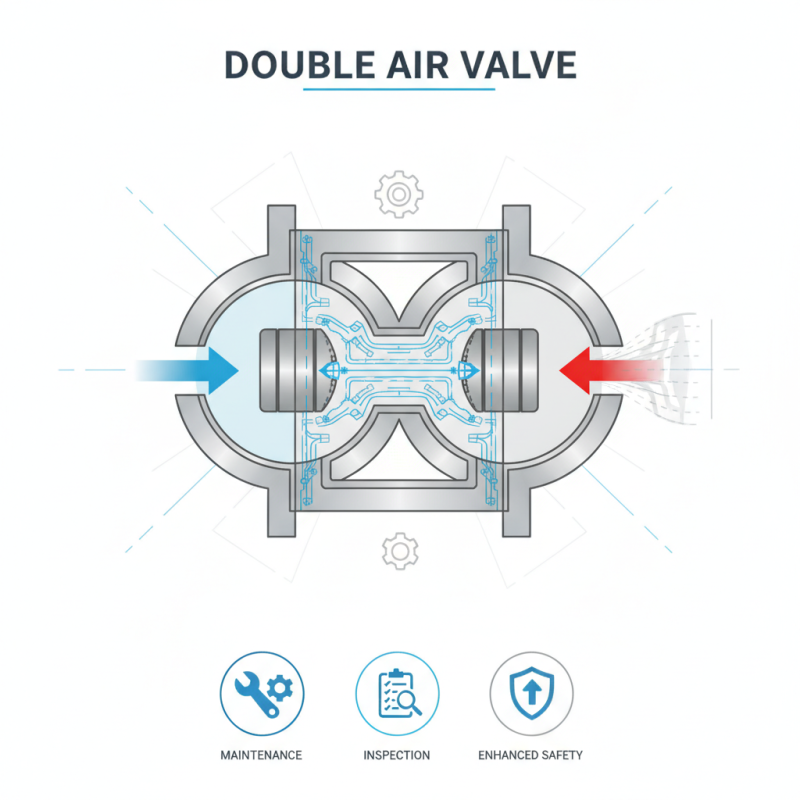
What is a double air valve and how does it work?
A double air valve is a critical component in various pneumatic systems. It ensures the effective control of airflow in different applications. By utilizing a double air valve, engineers can optimize performance and enhance safety.
This device operates by managing air pressure to two separate chambers. One chamber receives air input, while the other is vented. The design allows for precise regulation of air flow, contributing to increased efficiency in machinery. Understanding its mechanism is essential for anyone involved in system design and maintenance.
The reliability of a double air valve can significantly impact operational success. However, improper installation or maintenance can lead to performance issues. It’s vital to consider these factors to harness the full potential of this valuable component. Conducting regular inspections remains an important aspect of preventive measures.
Definition of a Double Air Valve and Its Purpose
A double air valve is a critical component in various air control systems. It serves two primary functions: regulating airflow and providing safety. By managing the direction and amount of air, it ensures efficient operation in pneumatic systems. This valve typically includes two separate chambers, allowing for precise control.
The purpose of a double air valve is to enhance system performance. It prevents backflow and minimizes pressure loss. This makes it valuable in applications like compressors and vacuum systems. When air pressure changes, the valve responds quickly. However, improper installation could lead to inefficiency. Users must be cautious. Regular maintenance is also essential to avoid potential failures.
Understanding how a double air valve functions in your system is vital. It may seem straightforward, but even small errors can disrupt overall performance. Monitoring the valve's condition ensures optimal airflow and system reliability. Staying informed about best practices can help prevent issues.
Components of a Double Air Valve
A double air valve is crucial in fluid dynamic systems. Understanding its components helps in grasping its functionality. This valve typically includes an air chamber, a diaphragm, and two ports. The air chamber allows for compressed air to enter, controlling the flow of the fluid.
The diaphragm is a flexible element. It moves up and down with pressure changes. This movement effectively opens or closes the ports. When the internal pressure rises, the diaphragm shifts, sealing one port and opening another. This simple mechanism creates efficient flow control.
Another significant component is the spring. It assists in returning the diaphragm to its original position when pressure drops. The interaction between these elements is vital. Proper assembly and maintenance of each part ensure the valve operates effectively. A malfunction can lead to inefficient flow or system failure. Attention to detail during installation can prevent future issues.
Mechanism of Operation: How Double Air Valves Work
A double air valve is a crucial component in various pneumatic systems. It controls the flow direction of compressed air. In terms of operation, a double air valve functions by using two ports—one for air inflow and another for outflow. When one port is activated, it allows air to flow through while simultaneously blocking the other. This mechanism ensures precise control of air movement and pressure regulation.
Data from industry reports indicate that efficient valve control can enhance system responsiveness by as much as 25%. Using double air valves can significantly reduce energy consumption in pneumatic systems. For example, improperly managed air flow can lead to a 30% increase in energy costs. The design of double air valves often includes fail-safe features, ensuring reliability under high-pressure conditions.
However, not all double air valves are created equal. Variability in quality can lead to operational inefficiencies. Misalignment can cause issues like slow response times or leaks. Proper installation and maintenance are vital for performance. Professional technicians should regularly inspect valves and pneumatic systems to optimize efficiency. Understanding these challenges helps manufacturers improve their designs, contributing to better performance in real-world applications.
Double Air Valve Performance Characteristics
This bar chart illustrates the performance characteristics of a double air valve, showcasing its response time, flow rate, pressure drop, and durability. Understanding these metrics is crucial for evaluating the efficiency and reliability of double air valves in various applications.
Applications and Benefits of Double Air Valves
Double air valves play a key role in various systems requiring precise control of air flow. They are commonly used in pneumatic systems, HVAC applications, and even automotive engineering. These valves allow for efficient air pressure management, which can lead to improved overall system performance and energy savings.
The applications of double air valves are diverse. In industrial automation, they regulate air flow to actuators, ensuring that processes run smoothly. In HVAC systems, they help maintain optimal air quality by regulating airflow to different areas. Furthermore, they are often used in car engines to optimize air intake, which significantly enhances fuel efficiency. Increased system reliability is another benefit; double air valves help prevent issues caused by air pressure fluctuations.
Despite their advantages, double air valves require careful maintenance. Misalignment or wear can lead to inefficiencies. It's essential to monitor their condition regularly. As technologies evolve, the design of these valves continues to improve, though challenges remain in integrating them seamlessly into existing systems. Understanding these nuances can help maximize their functionality and longevity.
What is a double air valve and how does it work? - Applications and Benefits of Double Air Valves
| Dimension | Value | Applications | Benefits |
| Pressure Rating | 150 psi | Water treatment systems | Enhanced performance under pressure |
| Material | Cast Iron | Industrial applications | Durability and longevity |
| Temperature Range | -20°C to 80°C | Heating and cooling systems | Reliable operation in various environments |
| Flow Control | Two-way control | Manufacturing processes | Improved efficiency |
| Size Options | 1" to 8" | Water distribution networks | Versatility for various applications |
Maintenance and Troubleshooting for Double Air Valves
Double air valves are critical components in pneumatic systems. They help control the flow of air in applications like automation and manufacturing. However, maintenance and troubleshooting are crucial for ensuring their longevity and efficiency.
Regular inspection is essential. Check for any signs of wear or damage monthly. A common issue is air leaks, which can lead to reduced efficiency. According to industry reports, pneumatic systems can lose 30% of their efficiency due to undetected leaks. Addressing these leaks promptly can save significant costs and restore performance.
Tips: Use soap solution to check for leaks. Bubbles indicate the location of the leak. Also, clean the valve regularly to prevent debris buildup.
When troubleshooting, listen for unusual sounds. Hissing may signal a valve issue. If the valve is not responding correctly, consider checking the air pressure. A pressure drop can disrupt the valve’s operation. Document your findings for future reference. Patterns may guide troubleshooting efforts.
Tips: Maintain a log of issues and repairs. This can help anticipate future problems. Regular maintenance can extend the life of the valve and the entire pneumatic system.