How to Clear Pipe Clogs Effectively and Quickly?
Clogged pipes are a common household issue. A recent industry report states that 88% of homeowners face this problem at least once a year. Such clogs can lead to expensive repairs and significant inconvenience. Knowing how to clear pipe clogs effectively and quickly can save time and money.
Many methods exist to clear pipe blockages. Some rely on chemical solutions, while others use tools like plungers or snakes. Statistics show that nearly 70% of homeowners prefer DIY techniques. However, these methods may not always work as expected. Some clogging issues persist despite efforts.
Professional plumbing services are sometimes necessary. Homeowners should consider this before severe damage occurs. Ignoring persistent clogs may result in worse problems down the line. Clear pipe access and maintenance can significantly reduce these risks. Ultimately, understanding how to approach clogs is essential for maintaining a healthy plumbing system.
Understanding Pipe Clogs: Common Causes and Symptoms
Pipe clogs can be a frustrating issue for homeowners. They often result from a buildup of grease, hair, or food particles. These materials accumulate over time, leading to restricted water flow. You may notice slow drainage in sinks or showers. Persistent gurgling sounds can also indicate trouble within the pipes.
Common symptoms of clogs include unpleasant odors. These odors can seep through your drains, making your home less inviting. Water pooling around fixtures is another sign. If you find yourself using excessive force to flush the toilet, it might be time to investigate. Ignoring these signs can lead to more serious plumbing issues.
Preventing clogs starts with mindful usage of your plumbing. Regularly clean your drains to avoid buildup. Be cautious about what you flush or pour down the sink. Hair traps and strainers can help minimize debris entering your pipes. While some clogs can be easily remedied, others may require professional help. It's essential to recognize your limits and know when to call for assistance.
Common Causes of Pipe Clogs
This bar chart illustrates the common causes of pipe clogs based on frequency, highlighting that food waste and hair are the leading contributors. Understanding these causes can help in preventing future clogs effectively.
Essential Tools for Clearing Pipe Clogs at Home
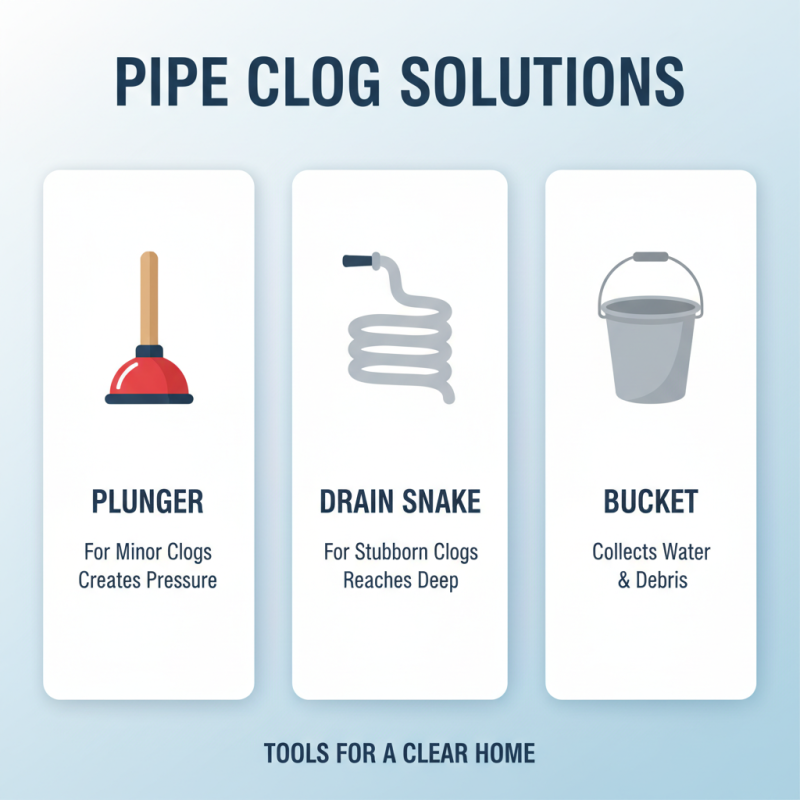
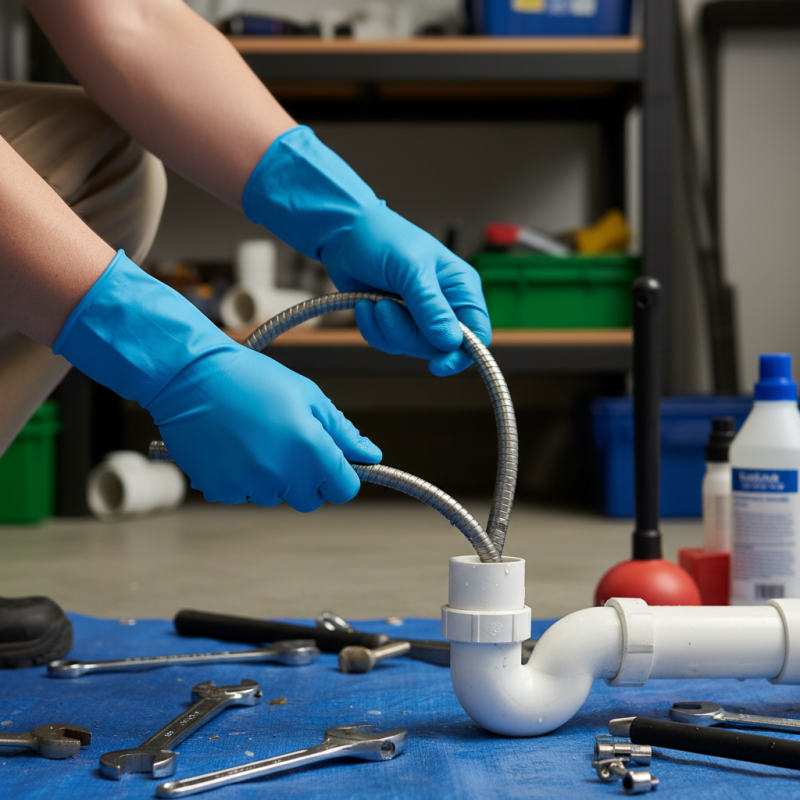
Clearing pipe clogs can be a daunting task, but having the right tools makes it manageable. Basic tools include a plunger, a drain snake, and a bucket. A plunger is perfect for minor clogs. It creates pressure that can dislodge blockages effectively. For more stubborn clogs, a drain snake reaches deep into pipes to remove blockages that plungers can’t budge.
When dealing with clogs, don’t forget a bucket. It catches any water or debris that may spill from pipes. This prevents a mess in your home. Additionally, gloves are important. They protect your hands when working with dirty pipes or chemicals. Keeping these tools handy makes any unclogging task less overwhelming.
Tips for maintaining clear pipes include regular cleaning. You can pour a mixture of baking soda and vinegar down your drains monthly. This natural remedy helps break down buildup. However, some clogs may need professional attention. If you've tried everything and the pipe remains clogged, it might be time to reflect. Not all problems can be solved alone. A pro can diagnose underlying issues that you might not see.
Step-by-Step Methods for Effective Clog Removal
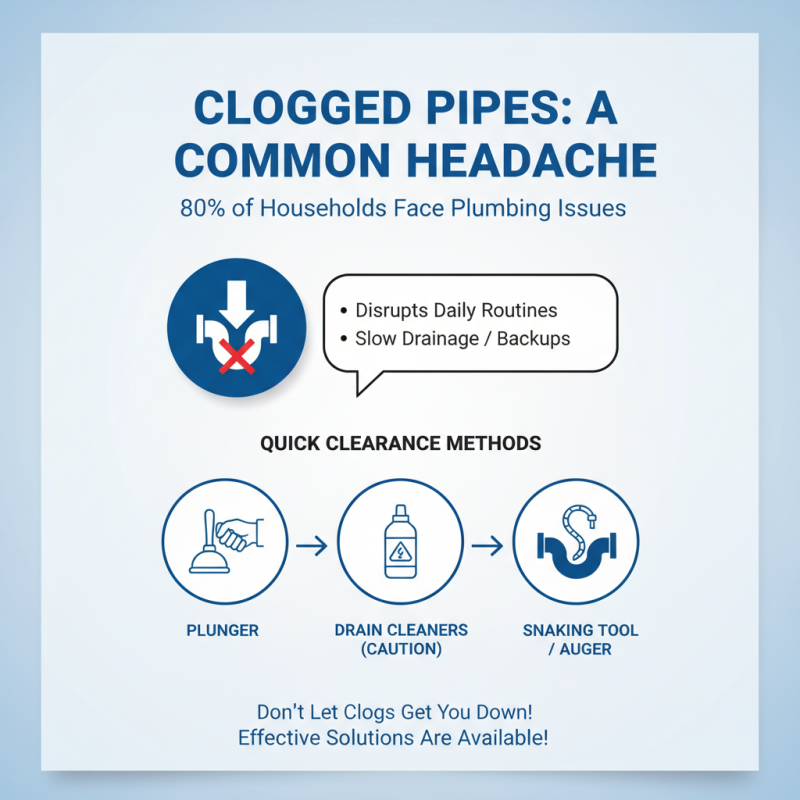
Clogged pipes can be a real headache. According to industry studies, nearly 80% of households face plumbing issues. A clogged drain can disrupt daily routines. Fortunately, effective methods exist for quick clearance.
Start with baking soda and vinegar. This natural combination can break down buildup. Pour half a cup of each into the drain. Wait for about 15 minutes. Flush with hot water afterward. This method is safe and often effective. However, sometimes it requires repetition for tough clogs.
Another option is the plunger. A good plunger can create pressure. This pressure helps dislodge many blockages. Remember to use it correctly. Cover the opposite drain if plumbing has multiple outlets. Despite its simplicity, some homeowners struggle with this tool. Patience is key. If these methods fail, consider a plumber's snake. This tool is designed for deeper clogs. However, be cautious. Incorrect use may damage pipes. Always assess the situation carefully before proceeding.
Preventative Measures to Avoid Future Pipe Clogs
Clogged pipes can lead to frustrating situations. To avoid this, preventative measures are essential. One key step is regular maintenance.
Clean your drains weekly. Hot water with vinegar can break down grease. This simple method can make a big difference.
Another effective measure is to be cautious about what goes down the drain. Avoid flushing anything but toilet paper. Food scraps should be disposed of properly, not washed down the sink. Even small bits can build up over time.
Consider using sink strainers. They catch debris and are easy to clean.
Keeping your plumbing in good shape is all about awareness. Inspect pipes and fittings from time to time. Look for leaks or accumulated debris. Even a minor issue should not be ignored. Addressing these will save you from bigger headaches later.
Don't underestimate the power of prevention. Your future self will thank you.
When to Call a Professional Plumber for Assistance
When your pipes are clogged, knowing when to call a professional plumber is vital. Research indicates that nearly 50% of homeowners attempt DIY methods before seeking help. However, many of these attempts can lead to further damage. Common mistakes include using harsh chemicals or improper tools. These actions can worsen clogs, potentially causing leaks or pipe breaks.
Recognizing serious signs can save you time and money. A persistent drain odor, slow drainage, or multiple clogged drains may indicate significant issues. According to plumbing experts, if you encounter standing water that doesn't drain after multiple attempts, it’s time to reach out for professional help. Ignoring these signals can lead to costly repairs.
In fact, professional plumbers use advanced techniques. They often employ video inspections to diagnose problems accurately. This method reduces unnecessary digging or damage to your property. Statistics show that homeowners save an average of 30% on plumbing costs when they resolve issues early. You might think you can fix everything, but sometimes expertise is the best solution.
How to Clear Pipe Clogs Effectively and Quickly? - When to Call a Professional Plumber for Assistance
| Method |
Effectiveness |
Time Required |
When to Call a Professional |
| Boiling Water |
Moderate |
5-10 minutes |
If clog persists |
| Plunger |
High |
5-15 minutes |
If multiple attempts fail |
| Snake |
Very High |
15-30 minutes |
If pipe is damaged |
| Chemical Drain Cleaners |
Effective, but risky |
5-30 minutes |
If unsure about the situation |
| Wet/Dry Vacuum |
High |
10-20 minutes |
If there's a significant blockage |