Buying plumbing fittings across borders is rarely as simple as comparing prices online. A fitting that looks identical in a product photo may use different threads, alloys, seals, or pressure ratings. One small mismatch can delay installation, damage equipment, or create costly returns. This guide introduces ten practical tips for sourcing plumbing fittings with greater confidence, from checking technical drawings to evaluating suppliers and shipping terms.
Real purchasing decisions require more than catalog claims. Confirm whether fittings meet the standards required in the destination market, such as thread specifications, material safety rules, and pressure classifications. Ask for current test reports, traceability records, samples, and clear tolerances. A reliable supplier should explain these details without vague promises. Packaging also matters. Thread protectors, moisture barriers, and labeled cartons can prevent damage during a long sea journey.
Details decide everything.
Yet even careful buyers can miss important questions. A polished website does not prove factory capability, and the cheapest quotation may exclude inspection, customs duties, or replacement costs. Sample testing may reveal rough threads, inconsistent plating, or seals that harden under temperature changes. This article offers a realistic framework for comparing suppliers, verifying quality, managing communication, and reducing international purchasing risks. It does not promise a perfect transaction. Markets change, documents expire, and assumptions sometimes fail. Careful records and independent verification remain essential.
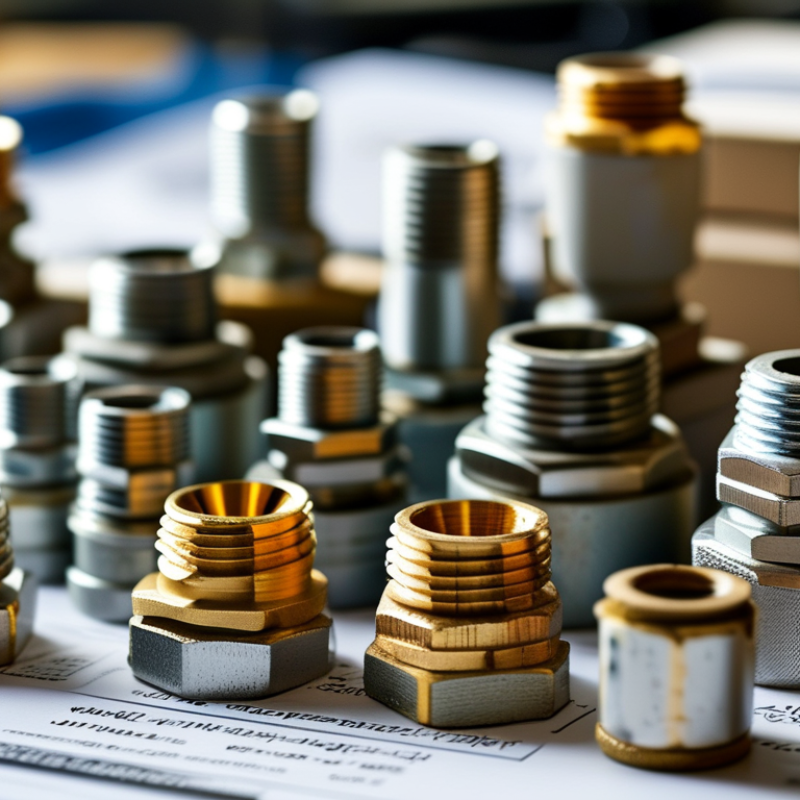
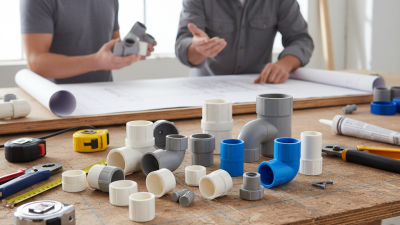
Plumbing fittings are small components that connect, control, and redirect water through a system. They include elbows, tees, couplings, unions, adapters, valves, and reducers. Each fitting has a specific job. An elbow changes direction, while a tee creates a branch for another pipe. During site inspections, I have seen expensive failures caused by one mismatched connection.
Their applications vary across homes, offices, factories, farms, and public facilities. Compression fittings suit some repair work because they need limited tools. Threaded fittings support removable connections around pumps, meters, and storage tanks. Solvent-welded fittings can create firm joints in compatible plastic pipe systems. In hot-water lines, material selection matters greatly. Heat, pressure, corrosion, and chemical exposure can weaken unsuitable fittings. Fit matters. Not always.
When buying plumbing fittings worldwide, check pipe diameter, thread type, pressure rating, and temperature range. Measurements can differ between regions, even when descriptions appear similar. Ask for technical drawings, material certificates, test records, and installation instructions. These documents improve traceability and reduce costly misunderstandings. I once assumed two fittings with identical measurements would connect correctly. The thread angle was different. That assumption failed. Local water quality also deserves attention, especially where minerals or treatment chemicals may accelerate corrosion. A reliable supplier should explain tolerances clearly and identify the fitting’s intended application without vague promises.
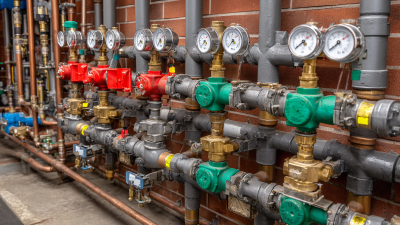
Correct material selection starts with water chemistry, temperature, and installation conditions. Copper suits many hot-water systems, while stainless steel handles demanding environments better. Polypropylene and cross-linked polyethylene can reduce corrosion concerns, but compatibility still matters.
The World Health Organization and UNICEF reported that 2.2 billion people lacked safely managed drinking water in 2022. Poor fitting choices can worsen leakage and contamination risks.
Measure the outside diameter, wall thickness, and thread standard before ordering. A 25-millimeter metric pipe is not automatically interchangeable with a one-inch nominal pipe. Connection types also require care: threaded, press-fit, socket-fusion, compression, and flanged joints need different tools and sealing methods. ISO 7-1 distinguishes pressure-tight pipe threads, while ISO 228-1 covers non-pressure-tight threads. These details matter. Never trust a product photo alone.
I have seen costly delays caused by one mismatched thread and an overlooked gasket material. Check pressure ratings at the actual operating temperature, not only at room temperature.
The World Bank estimated that water utilities lose about 48.6 billion cubic meters annually through leakage. That figure is older, but the warning remains relevant. Ask for test certificates, dimensional drawings, potable-water approvals, and batch traceability. Standards reduce uncertainty, yet they do not replace field verification.
Occasionally, the specification itself is wrong. Recheck it.
When buying plumbing fittings worldwide, quality starts with the intended application. Check the required pressure, temperature, fluid type, and connection dimensions before comparing prices. A fitting may look polished yet fail under repeated pressure changes. Material selection matters too. Stainless steel, brass, plastic, and coated alloys behave differently in water, chemicals, and outdoor conditions.
Ask suppliers for current test reports, material certificates, and clear product specifications. Certifications should match the destination market and the fitting’s actual use. Do not accept a certificate image without verification. Contact the issuing organization or check its public database when available. Confirm that the certificate covers the exact model, material, and production site. Thread standards can also differ. A small mismatch may cause leakage, damaged seals, or expensive installation delays.
Supplier reliability requires more than fast replies. Review production records, inspection procedures, sample policies, and traceability practices. Request batch numbers and photographs of markings on the fittings. A dependable supplier should explain tolerance limits and replacement procedures in writing. Independent inspection can reveal problems before shipment. It costs more, sometimes. That may be cheaper than a failed installation.
A practical purchasing lesson is easy to miss: documents can be perfect while communication remains vague. Ask technical questions and compare the answers with the documents. If specifications change during negotiation, pause and investigate. Do not reward confidence without evidence. Reliability grows through consistent records, transparent testing, and careful follow-up.
Global price comparisons can be misleading. A fitting listed at eight dollars may cost fifteen dollars after freight, insurance, taxes, and customs charges. Compare the landed cost, not the catalog price. Request quotations with material grade, size tolerance, thread standard, and packaging details. Small differences can cause expensive installation delays. Check at least three suppliers from different regions. Prices may reflect production scale, currency changes, or inconsistent testing.
Shipping options deserve careful attention. Sea freight suits heavy cartons, but it can take several weeks. Air shipping arrives faster and costs much more. Ask for carton dimensions, gross weight, delivery terms, and estimated transit time. Confirm whether the seller handles export paperwork or only delivers to the port. That detail matters. I have seen buyers choose the cheapest offer and later pay unexpected warehouse fees. Build a safety margin into both time and budget.
Import requirements vary by destination and fitting type. Verify tariff codes, product standards, labeling rules, and required certificates before payment. Some countries require documents for pressure resistance, drinking-water contact, or corrosion performance. Ask for current test reports, invoices, packing lists, and certificates of origin. A licensed customs professional can check local duties and taxes more reliably than a casual online estimate. Keep every specification in writing. Vague descriptions create disputes, even when the products look identical.
Inspect every plumbing fitting before installation, even when the cartons look undamaged. Check threads, seals, coatings, dimensions, and connection types against the approved drawings. Use a caliper for critical measurements. Small differences can cause leaks later. Photograph damaged packaging and separate questionable items immediately.
Tip: Record batch numbers, quantities, and inspection results on the delivery date. Keep the paperwork with the project file. Do not rely only on appearance. A fitting may look perfect but still have rough threads or an incorrect internal diameter.
During installation, confirm that trained workers follow the fitting manufacturer’s technical instructions. Clean pipe ends carefully and avoid excessive force when tightening connections. Support heavy assemblies before testing them. After installation, perform a controlled pressure test and inspect every joint with dry tissue. Retest any connection that shows moisture. In practice, schedules create pressure, and rushed checks are often the first mistake. I have found that even experienced teams can overlook one fitting behind a cabinet. Leave access panels practical for future inspection, and label hidden valves clearly. A careful delivery check saves time, but it cannot replace on-site judgment.

Sign up for our mailing list to stay informed and up to date with our latest news and products!
(905) 832 – 0600
2175-A Teston Road
Maple, Ontario
L6A 1T3
(780) 451 – 0238
24790 – 117 Avenue
Acheson, Alberta
T7X 6C2
(604) 882 – 1564
9511 – 194A Street
Surrey, British Columbia
V4N 4G4
(306) 955 – 6005
3926 Arthur Rose Avenue Saskatoon, Saskatchewan
S7P 0C9
(450) 687 – 2721
2750 Rue Bernard-Lefebvre
Laval, Quebec
H7C 0A5