What is Flat Bar Steel and How is it Used in Industries?
Flat Bar Steel is a versatile material widely used across various industries. With its flat shape and uniform thickness, it offers numerous applications. The construction, manufacturing, and automotive sectors often rely on this product for structural support and fabrication. Engineers appreciate its strength and durability. Whether it’s in frameworks or custom designs, Flat Bar Steel proves its worth.
Beyond its standard uses, Flat Bar Steel can be modified. This adaptability allows it to meet specific project requirements. However, some may question if it's the best choice for every application. An analysis of the material's properties can shed light on its strengths and weaknesses. Testing different grades and finishes can lead to better results in specific conditions.
In today’s market, it's essential to approach Flat Bar Steel with caution. Understanding the nuances of each grade and application can prevent future challenges. While it’s a reliable option, incorrect usage might result in structural failures. Knowledge and experience in the field are vital for effective application.
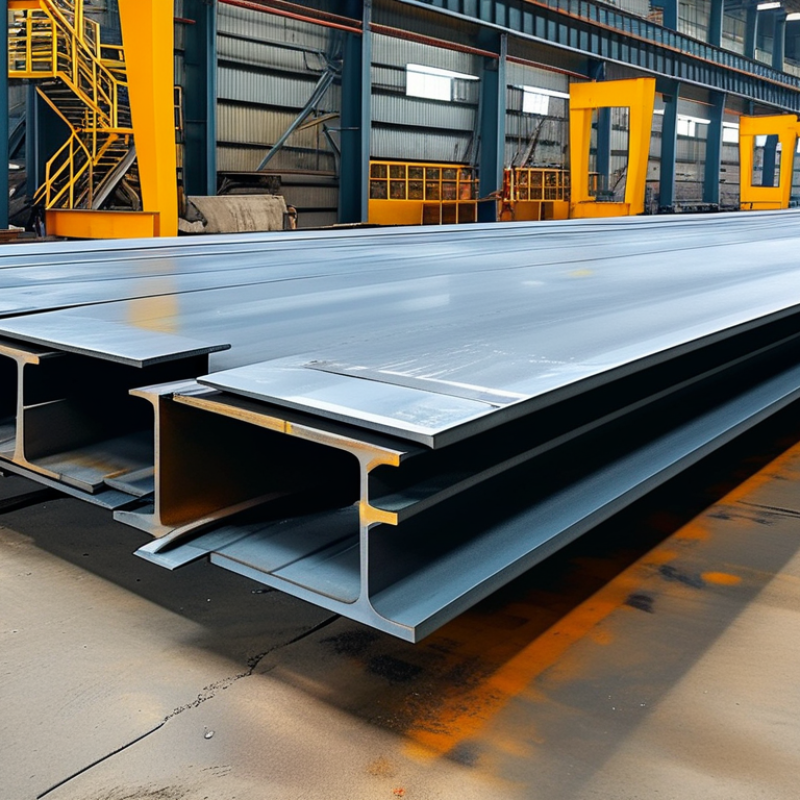
Definition and Characteristics of Flat Bar Steel
Flat bar steel is a versatile steel product widely used in various industries. It typically has a rectangular cross-section and comes in different thicknesses and widths. This form provides a flat, smooth surface, making it ideal for welding, machining, and fabrication processes. According to data from the World Steel Association, flat steel products account for nearly 40% of global steel production. This highlights their significance in industrial applications.
The characteristics of flat bar steel contribute to its popularity. It has excellent tensile strength and structural integrity, making it suitable for demanding applications. Various industries utilize flat bar steel, including construction, manufacturing, and automotive. For example, in the construction sector, flat bars are often used for beams, frames, and supports. The ease of forming and cutting allows for customization, but it also poses challenges in precision of cuts and joints. In some cases, improper fabrication processes may lead to weak structures.
Furthermore, while flat bar steel is durable, it is susceptible to corrosion without proper treatment. A report by the American Institute of Steel Construction emphasizes the need for protective measures, especially in environments with high moisture or chemical exposure. Such considerations lead manufacturers to develop improved coatings and alloys. The balance between functionality and cost-effectiveness remains a point for ongoing research and development in the industry.
Common Materials Used in Flat Bar Steel Production
Flat bar steel is a versatile material widely used across various industries. Commonly produced from carbon steel, this flat piece is notable for its rectangular shape and uniform thickness. The process typically involves hot rolling or cold drawing, leading to a sturdy product that can be further processed.
Common materials used in flat bar steel production include carbon steel elements like iron, manganese, and silicon. Each serves a distinct purpose; for instance, manganese enhances strength, while silicon can improve weldability. Additional alloying elements may be included for specific applications, making the flat bar adaptable for many uses.
Tips: When selecting flat bar steel, consider thickness and width based on your project's requirements. Keep in mind the desired mechanical properties as well. Not all materials offer the same durability or compatibility with different environments, so research is essential before making a choice.
Reflecting on the production process, quality control is vital. Inadequate inspections can lead to inconsistency in the final product. Hence, it's crucial to ensure that products meet industry standards. Always investigate the source of materials to ensure reliability and performance in your applications.
Key Applications of Flat Bar Steel in Construction
Flat bar steel is a versatile material used widely in construction. Its flat, rectangular shape makes it suitable for various applications. One key use is in building frames. Engineers often rely on flat bar steel for structural support. According to a recent industry report, flat bar steel accounts for over 15% of total steel usage in construction.
Flat bars are commonly employed in the fabrication of beams and girders. They offer strength and stability. Many contractors prefer flat bars for creating railings and brackets. The ability to weld and cut flat bar steel easily enhances its popularity. In the past five years, the demand for flat bar steel has grown by nearly 30%, emphasizing its importance.
However, not all applications are perfect. Challenges arise in sourcing high-quality flat bar steel, as variances in production quality can impact structural integrity. It's crucial for professionals to inspect materials thoroughly before use. Some have reported issues with warping during fabrication. This highlights the need for continuous improvement in manufacturing processes. Despite these challenges, the contribution of flat bar steel to the construction industry remains significant.
Use of Flat Bar Steel in Manufacturing and Fabrication
Flat bar steel is a versatile material widely used in manufacturing and fabrication processes. Its flat, rectangular shape makes it suitable for various applications. Industries utilize flat bar steel for structural components, brackets, and supports. Its strength and durability are key factors in its popularity.
In manufacturing, flat bar steel is often cut, shaped, and welded to create custom components. Workshops frequently use it for creating frames, bases, and other structural elements. The ease of handling and machining allows for efficiency in production. However, one must consider the thickness and length needed for specific projects, as not all sizes fit every application.
Fabrication shops benefit significantly from flat bar steel. Workers frequently rely on it to produce items like shelves, guardrails, and enclosures. Balancing cost and quality remains important. Although flat bar steel is generally reliable, challenges can arise when sourcing materials or achieving precise dimensions. It encourages ongoing learning and adaptability in the industry. The ability to innovate while maintaining high standards is crucial for success.
Benefits of Flat Bar Steel in Various Industries
Flat bar steel is a versatile material widely used across various industries due to its unique properties. Its flat shape allows for easy handling and fabrication, making it ideal for structural applications. According to a report from the World Steel Association, flat steel products, which include flat bars, have seen a steady increase in production and demand. In 2022, the global flat steel market reached approximately 1.5 billion tons, showcasing its critical role in construction and manufacturing.
In construction, flat bar steel provides structural support. It serves as a fastening element and connects different steel components. The material’s adaptability allows engineers to design innovative structures. The automotive industry also benefits. Flat bars are used in vehicle frames and bodywork, contributing to weight reduction and improved fuel efficiency. A study from the International Journal of Automotive Technology highlights that lightweight materials can enhance performance by up to 15%.
Additionally, flat bar steel plays a significant role in the agricultural sector. It's utilized in machinery and equipment, ensuring durability and reliability. However, the industry faces challenges with supply chain disruptions affecting availability. As construction projects increase globally, the competition for raw materials intensifies. This often leads to fluctuating prices and sourcing difficulties for manufacturers. Understanding these complexities is essential for stakeholders in the flat bar steel market.
What is Flat Bar Steel and How is it Used in Industries? - Benefits of Flat Bar Steel in Various Industries
| Industry | Common Uses | Benefits | Material Specifications |
| Construction | Structural support, frames, beams | High strength, durability | Thickness: 1/4" to 1"; Width: 2" to 12" |
| Manufacturing | Machinery parts, fabrication | Versatile, easy to machine | Grades: A36, A572 |
| Automotive | Chassis supports, reinforcement | Weight reduction, increased strength | Thickness: 3/16" to 1"; Width: 3" to 8" |
| Aerospace | Support structures, fittings | Corrosion resistance, lightweight | Grades: 6061, 7075 |
| Marine | Boat frames, reinforcement | Water resistance, strength | Material: Stainless Steel, Aluminum |