What is HDPE Pipe Fittings and How Do They Work in Construction
HDPE pipe fittings play a crucial role in modern construction projects, offering a versatile and durable solution for various piping applications. High-Density Polyethylene (HDPE) is a thermoplastic known for its high strength-to-density ratio, making it an ideal choice for pipe fittings that need to withstand the rigors of heavy use in both residential and industrial settings. These fittings not only facilitate the connection and disconnection of pipes but also ensure a secure and leak-proof seal, significantly enhancing the efficiency of water and gas distribution systems.
In the construction industry, the effectiveness of HDPE pipe fittings can be attributed to their lightweight nature, ease of handling, and resistance to corrosion and chemicals. Such properties make them a preferred option over traditional materials like PVC and metal. As construction sites increasingly demand sustainable and long-lasting materials, HDPE pipe fittings emerge as a leading choice, combining performance with environmental benefits. This introduction sets the stage for a deeper exploration into the functionality, applications, and advantages of HDPE pipe fittings, highlighting their essential role in contemporary construction practices.
What is HDPE and Its Significance in Construction Industry
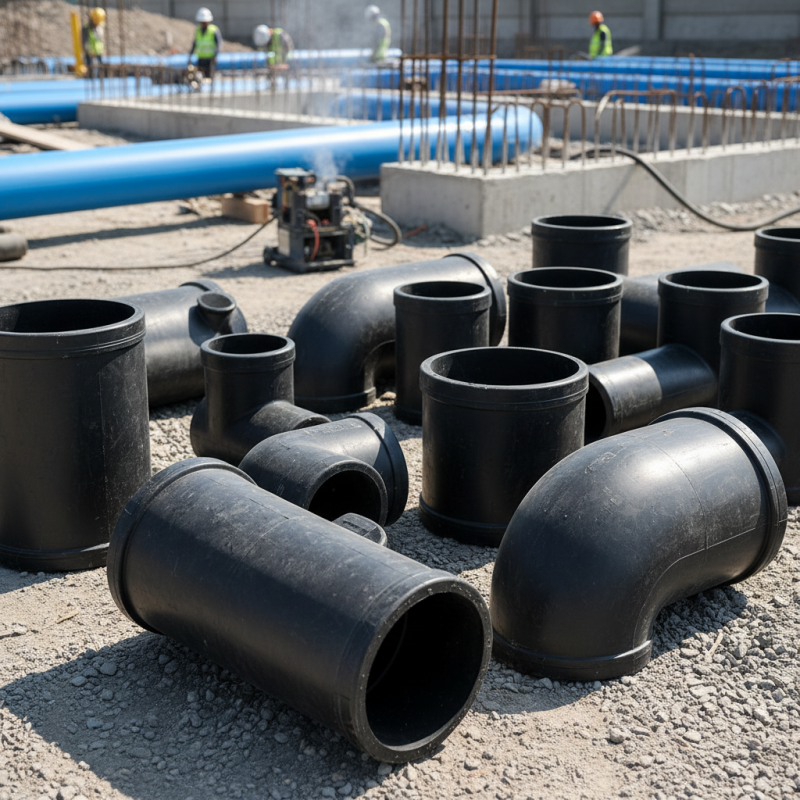
HDPE, or High-Density Polyethylene, is a thermoplastic polymer that has gained significant traction in the construction industry due to its impressive strength-to-density ratio.
It is widely used for pipe fittings, which are essential components in various infrastructure applications.
HDPE is known for its durability, flexibility, and resistance to a wide range of chemicals, making it an ideal material for projects that require reliable long-term performance.
Its ability to withstand extreme temperatures and pressures further enhances its suitability for construction settings, where environmental conditions can be harsh.
The significance of HDPE in the construction industry cannot be overstated.
It not only contributes to the structural integrity of projects but also promotes efficient water management and environmental sustainability.
HDPE pipe fittings, for instance, are lightweight and easy to install, reducing labor costs and time on-site.
Additionally, the use of HDPE helps minimize the risk of leaks and failures, which can lead to costly repairs and disruptions.
As the construction industry increasingly prioritizes materials that are both effective and environmentally friendly, HDPE continues to play a pivotal role in shaping modern infrastructure.
Overview of HDPE Pipe Fittings and Their Common Applications
HDPE (High-Density Polyethylene) pipe fittings play a vital role in construction projects due to their durability, versatility, and resistance to various environmental factors. Common applications of HDPE pipe fittings include water supply systems, drainage, and industrial piping. These fittings are designed to interconnect pipes easily, ensuring secure and leak-free connections that can withstand significant pressure. The flexibility of HDPE allows for seamless integration into complex piping layouts, making it an ideal choice for both residential and commercial construction.
Moreover, the burgeoning demand for HDPE pipe fittings is reflected in the projected market growth, with estimates suggesting a reach of USD 25.68 billion by 2029. This growth is driven by advances in technology and the increasing need for efficient agricultural irrigation systems, which utilize HDPE fittings alongside pumps to enhance sustainability and crop yields. As industries evolve, the adoption of HDPE products continues to rise, highlighting their crucial role in modern construction and infrastructure development.
Key Advantages of HDPE Pipe Fittings Over Traditional Materials
HDPE (High-Density Polyethylene) pipe fittings are increasingly favored in construction projects due to their unique properties and advantages over traditional materials. One of the primary benefits of HDPE fittings is their exceptional resistance to corrosion and chemical damage. Unlike metal counterparts, which can rust or corrode when exposed to harsh environments, HDPE materials maintain their integrity, ensuring a longer lifespan and reduced maintenance costs.
Another significant advantage of HDPE pipe fittings lies in their flexibility and lightweight nature. This flexibility allows for easier installation, particularly in convoluted layouts or uneven terrains, reducing labor expenses and time required for assembly. Additionally, the lightweight characteristic reduces transportation costs and simplifies handling on construction sites. Furthermore, HDPE fittings are designed to create leak-free connections, enhancing the overall efficiency of water and gas distribution systems. All these factors contribute to the growing preference for HDPE pipe fittings over traditional materials in modern construction applications.
Technical Specifications and Standards for HDPE Pipe Fittings
When it comes to HDPE pipe fittings, understanding their technical specifications and standards is crucial for successful application in construction. HDPE, or high-density polyethylene, is a thermoplastic that is renowned for its strength, durability, and resistance to corrosion and chemicals. The standards governing HDPE fittings often include dimensions, pressure ratings, and temperature tolerances, which ensure they perform effectively under various conditions. Most commonly, these fittings adhere to specifications set by ASTM (American Society for Testing and Materials) and ISO (International Organization for Standardization), which outline essential criteria for quality and safety.
Tips: When selecting HDPE pipe fittings, always check for certifications that comply with local regulations and international standards. This ensures not only the quality of the fittings but also their reliability in preventing leaks and maintaining structural integrity.
Additionally, it’s important to consider the specific application and environment where the fittings will be used. For instance, the pressure rating should match the requirements of the project to avoid any failures. Opting for fittings with a well-defined compatibility with various temperatures and chemicals used in construction can greatly reduce long-term maintenance issues.
Installation Practices and Maintenance Tips for HDPE Pipe Systems
HDPE (High-Density Polyethylene) pipe fittings are essential components in construction, particularly in plumbing and drainage systems.
They are known for their durability, chemical resistance, and flexibility, making them a popular choice for various applications. To ensure the longevity and efficiency of HDPE pipe systems, proper installation practices are critical.
When installing HDPE pipe fittings,
it's vital to ensure that the surfaces are clean and free of dirt or debris before joining them. This helps achieve a secure connection and prevents leaks. Additionally, using the correct tools and techniques specific to HDPE can avoid damaging the material. Pay close attention to the recommended temperature and pressure settings during installation to maintain the integrity of the system.
Maintaining HDPE pipe systems involves regular inspections and preventive measures.
It's advisable to monitor for any signs of wear or damage over time. During maintenance checks, consider using a soft cloth to clean joints and fittings. If you encounter leakage, promptly address it using appropriate repair techniques to prevent further complications. Following these tips can enhance the performance and lifespan of your HDPE piping systems.