How to Choose 8 PVC Pipe for Global Buyers?
Choosing an 8 pvc pipe for international projects requires more than checking its outside diameter. Buyers must match pressure ratings, wall thickness, temperature limits, and connection methods with the actual application. A pipe designed for drainage may fail quickly in a pressurized water system. That difference matters.
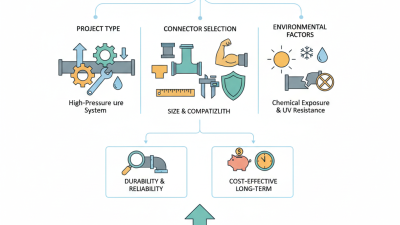
David Willoughby, a plastics piping consultant, says, “The correct pipe is selected by service conditions, not diameter alone.” This principle deserves attention. An 8 pvc pipe may serve agricultural irrigation, municipal water, industrial cooling, or underground drainage. Each use demands different performance criteria. Review the pipe’s pressure class, SDR value, material grade, and compliance documents. Check whether the manufacturer follows ASTM, ISO, or other project-required standards. Do not trust a certificate without verifying its scope.
Practical details also influence the final choice. Measure the available trench space. Confirm gasket and fitting compatibility. Consider cold-weather impact, sunlight exposure, chemical contact, and expected service life. For overseas purchasing, inspect packaging and loading methods. Long pipes can bend when poorly supported during transport. I have seen attractive quotations hide weak technical details. The lowest price can become expensive after leaks, rejected shipments, or incompatible fittings appear.
A reliable supplier should provide test reports, batch identification, installation guidance, and traceable production records. Request samples when the application is critical. Compare complete system costs, not pipe prices alone. Even careful buyers can overlook local installation skills. That is a weakness worth acknowledging. A strong decision combines field experience, engineering review, verified standards, and honest communication with the manufacturer.
Understanding 8-Inch PVC Pipe Specifications and Applications
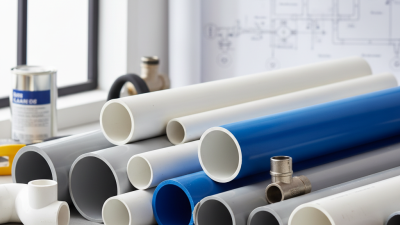
An 8-inch PVC pipe is not always eight inches across. In many inch-based systems, NPS 8 has an outside diameter near 8.625 inches. Metric standards may define different dimensions. Confirm the standard before comparing quotations. Wall thickness, pressure class, and pipe stiffness affect performance. SDR, Schedule, and SN ratings are not interchangeable. They describe different design approaches.
For clean-water distribution, choose material approved for potable contact. Drainage and sewer projects usually prioritize stiffness, joint sealing, and chemical resistance. Irrigation lines need suitable pressure ratings and protection from impact. Underground installation also depends on soil, bedding, burial depth, and traffic loads. A pipe can meet its pressure rating yet fail after poor backfilling. That detail is often underestimated.
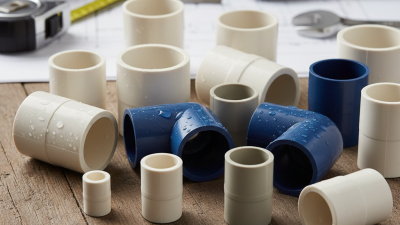
During purchasing, request dimensional inspection records, material certificates, and test results. Check outside diameter, wall thickness, socket depth, and gasket compatibility. Ask whether the pipe uses solvent-welded, rubber-ring, or flanged connections. Store sections on level supports, away from sharp stones and prolonged sunlight. I have seen projects delayed because fittings matched the nominal size but not the actual standard. A small sample inspection helps. It is not perfect, but it exposes costly mismatches before shipment. Global buyers should also review local codes, temperature limits, labeling, and packing requirements before approving production.
How to Choose 8-Inch PVC Pipe for Global Buyers?
Understanding 8-Inch PVC Pipe Specifications and Applications
Nominal Size
NPS 8 PVC pipe has a standardized outside diameter of 8.625 inches, while the inside diameter changes with the schedule.
Schedule Selection
Schedule 40 is commonly used for general water and drainage systems; Schedule 80 and 120 provide thicker walls for higher mechanical demands.
Typical Applications
Applications include municipal water distribution, irrigation, industrial fluid handling, drainage, and process piping. Always confirm the applicable ASTM, ISO, or regional standard.
Evaluating Dimensions, Materials, and Long-Term Performance
How to Choose 8 PVC Pipe for Global Buyers?
An 8-inch PVC pipe must be checked beyond its nominal size. Confirm the outside diameter, wall thickness, length, and dimensional tolerance. Different regional standards may define the same nominal size differently. Request a technical drawing before ordering. A small mismatch can complicate fittings, valves, and installation tools.
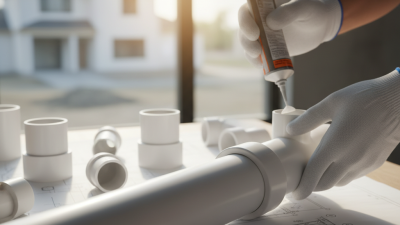
Material selection depends on the operating environment. Pressure-rated PVC suits many water systems, while drainage-grade pipe may not handle internal pressure safely. Review the pressure class, SDR value, temperature range, and chemical compatibility. Long-term performance also depends on sunlight, soil conditions, impact, and joint quality. Outdoor storage needs proper protection from ultraviolet exposure. Solvent-welded joints require clean, dry surfaces and careful curing time. In practical inspections, poor alignment often causes more failures than the pipe material itself. That detail is easy to overlook. PVC can perform reliably for decades, but only when its limits are respected. Overconfidence remains a common purchasing mistake.
Tips: Ask for batch test reports, dimensional inspection records, and applicable compliance certificates. Compare samples with the approved drawing. Check whether seals and fittings match the pipe material. Leave room for thermal movement in exposed installations. Do not select the lowest price automatically. A cheaper wall thickness may create higher replacement costs later. Temperature matters. So does installation quality.
Selecting a Reliable Supplier and Calculating Total Purchase Costs
When choosing an 8-inch PVC pipe, confirm the actual specification before comparing suppliers. “Eight-inch” may describe a nominal size, not the outside diameter. Request the outside diameter, wall thickness, pressure rating, length tolerance, and connection type. Ask for recent test reports covering hydrostatic pressure, impact resistance, and dimensional accuracy. A sample can reveal more than a polished catalogue.
A reliable supplier should provide traceable production records and clear quality procedures. Check whether raw materials are controlled by batch and whether inspectors can review finished pipes before shipment. Ask about monthly capacity, lead time, packaging, export experience, and after-sales handling. Factory photos are useful, but independent inspection is stronger evidence. One weakness is easy to miss: a supplier may meet the sample standard yet change materials during mass production.
Calculate the total purchase cost, not only the unit price. Include pipe value, packaging, inland transport, ocean freight, insurance, duties, port charges, inspection fees, bank costs, and final delivery. Use the same Incoterm when comparing quotations. For long PVC pipes, freight volume may cost more than expected. Add currency fluctuation and a small contingency for damaged pieces or delays. My spreadsheet once looked accurate, but it excluded destination handling fees. That mistake changed the lowest quotation completely. Confirm every fee in writing, and request a final pro forma invoice before payment.