10 Metal Racking System Tips for Global Buyers
Global buyers rarely purchase a Metal Racking System for appearance alone. They purchase storage capacity, safer movement, and predictable access to inventory. Yet a rack that works in one warehouse may fail elsewhere because of different loads, floor conditions, forklifts, and operating habits.
The MHI 2024 Annual Industry Report states that 55% of surveyed supply chain professionals planned to increase technology investment within two years. This shift makes rack design more important, not less. Barcode locations, warehouse software, and automated handling equipment all depend on stable, accurately specified storage structures. The report also identifies supply chain innovation as a competitive advantage for most respondents. However, technology cannot correct a wrongly calculated beam load.
Think about a real warehouse aisle. A pallet enters slightly off-center. A forklift mast passes close to an upright. Dust settles around the base plate. These small details influence long-term performance. The U.S. Occupational Safety and Health Administration recommends regular inspections and immediate attention to damaged storage racks. That guidance supports a practical principle: safety must be designed before installation, not discussed after an incident.
This guide presents ten Metal Racking System tips for global buyers, covering load ratings, material quality, corrosion exposure, seismic conditions, installation, and after-sales support. Standards and certifications matter, but they do not replace site verification. Sometimes, buyers focus too heavily on the lowest quotation. That choice can create hidden costs through repairs, downtime, and poor space utilization.
The better question is simple: will this system remain stable, serviceable, and traceable under daily pressure? Maybe not without disciplined inspection. That is where careful purchasing begins.
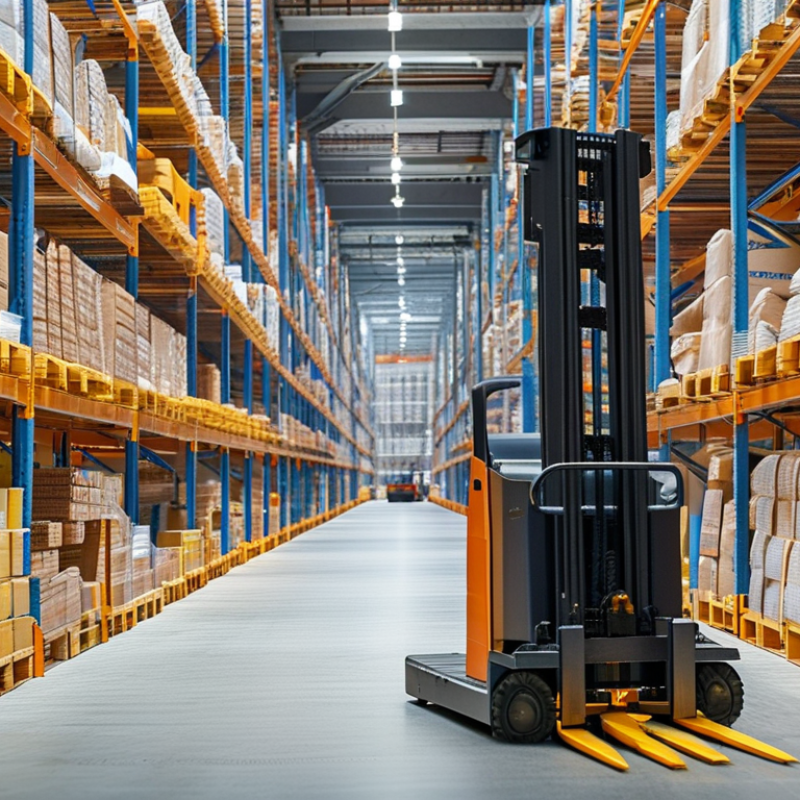
Define Storage Needs and Load Requirements
Define Storage Needs and Load Requirements
A rack layout should begin with the product, not the available floor area. Record pallet dimensions, weight, stackability, turnover rate, and handling equipment. A 1,000-kilogram pallet needs different beams from a 500-kilogram carton load. Measure the heaviest real load, not the average. MHI’s 2024 Annual Industry Report identifies inventory and network optimization as a major technology investment area for supply chain companies. Better data makes that investment safer.
Include clearances for forklifts, sprinklers, lighting, and pedestrian movement. Check every beam level, upright frame, anchor point, and floor condition. The floor may be the hidden limitation. Concrete strength, flatness, and local seismic conditions can change the design. Standards such as ANSI MH16.1 and EN 15629 provide useful technical frameworks, but a qualified local engineer should verify the final system. Global specifications cannot replace site inspection.
A practical worksheet should show maximum bay load, per-level load, pallet overhang, and future capacity. Leave room for growth, but avoid buying unused steel. That balance is difficult. I have seen buyers calculate pallet weight correctly, then forget the pallet itself and the uneven load distribution. The U.S. Bureau of Labor Statistics continues to report high injury exposure in transportation and warehousing work, so safer aisle widths and stable loading deserve measurable attention. Recheck the assumptions after a trial bay is installed. Reality often edits the spreadsheet.
Check Safety Standards, Installation, and Maintenance
Global buyers should treat safety standards as a purchasing requirement, not paperwork. OSHA estimates that powered industrial trucks cause about 85 workplace fatalities and 34,900 serious injuries annually in the United States. These figures show why rack design must consider forklift movement, aisle width, impact protection, and operator training.
Installation quality matters just as much. Confirm the rated load for every beam level, then display it clearly on the rack. Check floor strength, anchor depth, vertical alignment, and seismic conditions before loading. EN 15635 recommends regular inspections and immediate action after serious damage. Small errors become expensive quickly. A slightly leaning frame is not harmless.
Maintenance needs evidence, not memory. Assign weekly visual checks and record damaged uprights, loose anchors, missing safety pins, and overloaded beams. A competent person should complete a formal inspection at least annually, following local requirements and the selected standard, such as EN 15635 or RMI MH16.1. OSHA guidance also stresses removing unsafe equipment from service. Do not repair a bent frame casually. Replace it when assessment confirms reduced capacity. In practice, inspection logs are often incomplete, especially across multiple warehouses. That weakness deserves attention. Global buyers should request installation drawings, material certificates, load calculations, inspection procedures, and maintenance training before signing acceptance documents.
Compare Suppliers, Costs, Delivery, and After-Sales Support
10 Metal Racking System Tips for Global Buyers
Metal racking decisions should begin with supplier comparison, not the lowest quotation. Check steel grade, beam capacity, coating thickness, welding quality, and production inspection records. Ask for recent project references in warehouses with similar loads. A clear quotation should separate rack, packaging, documentation, freight, insurance, installation, and taxes. Hidden charges can change the real cost quickly. Calculate total landed cost per usable pallet position.
Delivery deserves equal attention. Request a production schedule with inspection dates and shipment milestones. Confirm whether the quoted lead time starts after payment, drawing approval, or order confirmation. Those details often differ. Inspect packaging plans, especially for long beams and uprights exposed to moisture. Ask about container loading photos and damage procedures. I once compared only unit prices and ignored port delays. That mistake weakened the entire purchasing plan.
After-sales support should be measurable. Require a written warranty, response times, replacement-part availability, and an escalation contact. Check whether installation guidance includes floor tolerance, anchoring, and safe load signage. Request inspection support after commissioning, even if provided remotely. Keep drawings, load tables, packing lists, and inspection reports in one controlled file. Suppliers may promise quick help, but vague promises are difficult to enforce. A reliable partner accepts technical questions, documents corrections, and explains limitations honestly. Some buyers also overlook local service capability. That can make a small repair expensive.
10 Metal Racking System Tips for Global Buyers
Compare suppliers using measurable procurement factors: landed-cost impact, production lead time, minimum order quantity, warranty coverage, and after-sales response time.
The figures are practical planning benchmarks for international buyers. Actual costs, lead times, order quantities, warranty terms, and support response times should be confirmed in written supplier quotations and contracts.