
What Is Porcelain Floor Tile and Why Is It Popular?

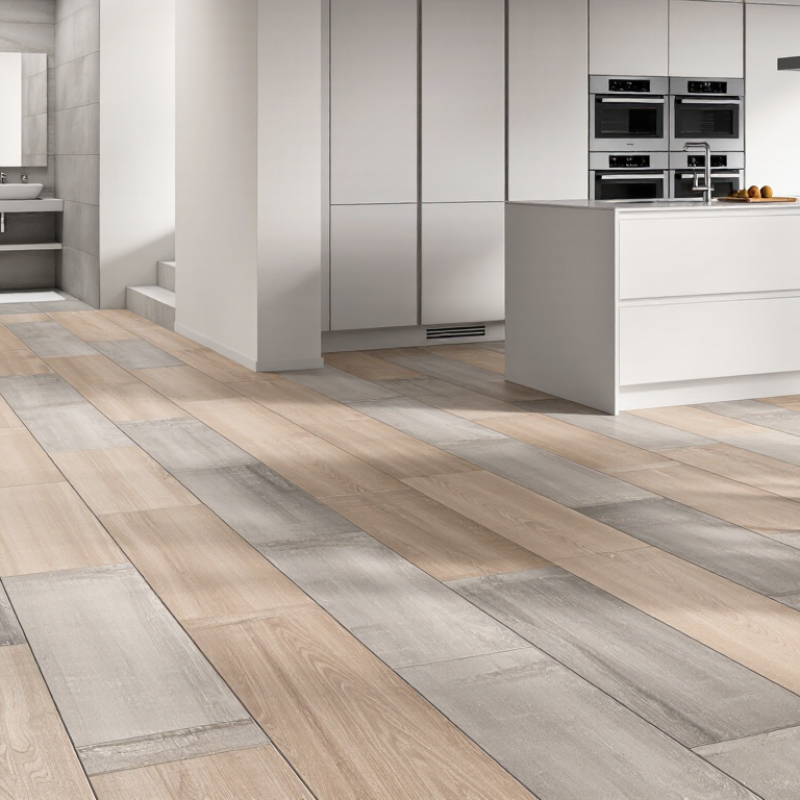
Porcelain Floor tile has become a familiar choice in kitchens, bathrooms, hallways, and commercial spaces. Its popularity comes from a practical balance of strength, low water absorption, and visual variety. A tile can resemble pale oak, worn limestone, or quiet concrete while remaining easier to maintain than many natural materials.

Bill Griese, a tile standards expert associated with the Tile Council of North America, explains, “Porcelain tile is a tile that has a water absorption rate of 0.5% or less.” This technical benchmark matters. It helps explain why porcelain performs well near sinks, entry doors, and other areas exposed to moisture. Still, low absorption does not make every surface automatically safe or suitable. Slip resistance, tile thickness, installation quality, and grout selection deserve equal attention.

It looks simple.

In practice, a successful Porcelain Floor depends on details often missed during shopping. A polished finish may reflect light beautifully but become challenging near wet entrances. A textured finish can offer better traction, yet its small grooves may hold dust. Large-format tiles create fewer grout lines, although uneven subfloors can make installation more demanding. These trade-offs make the material popular, but not perfect. That is worth admitting. This guide examines what porcelain floor tile is, how it differs from ceramic tile, and why homeowners and designers continue choosing it despite its practical limitations. Expect clear standards, realistic maintenance advice, and observations that connect product specifications with everyday use.
What Is Porcelain Floor Tile and Why Is It Popular?

What Porcelain Floor Tile Is

Porcelain floor tile is a dense ceramic tile made from refined clay, minerals, and natural pigments. Manufacturers press this mixture under high pressure, then fire it at very high temperatures. The process creates a hard, compact surface with water absorption of 0.5% or less under common tile standards. That low absorption makes porcelain suitable for kitchens, bathrooms, entryways, and some outdoor areas.

It is not simply “strong ceramic tile.” Its density affects cutting, drilling, weight, and installation technique. A porcelain tile may resist scratches and moisture, but poor subfloor preparation can still cause cracks. Flat, stable support matters.

So does the grout joint. Narrow joints can look clean, yet they leave less room for slight size variation.

The surface can imitate stone, wood, concrete, or woven fabric. Some designs carry the pattern through much of the tile body, while others mainly print it on top. A textured finish may improve traction, but it can collect dirt around raised details. I would check the slip rating, thickness, wear classification, and maintenance instructions before choosing a style. Appearance can be persuasive. It is not always practical. A dark, polished tile may show every footprint near a bright doorway, and a very large tile may demand more careful leveling during installation.


How Porcelain Floor Tile Is Made

What Is Porcelain Floor Tile and Why Is It Popular?

Porcelain floor tile begins with carefully refined clay, feldspar, silica, and mineral pigments. These materials are mixed with water until they form a consistent powder. The powder is pressed under strong pressure into tile-shaped molds. This step creates a dense body with fewer internal gaps.

The pressed tiles are dried to remove moisture before firing. They usually enter a kiln at temperatures above 1,200°C. Heat changes the raw materials into a hard, compact surface. Some tiles receive a glaze, while others keep a natural, through-body finish. Digital patterns can imitate stone, concrete, or wood, but the printed layer still depends on accurate kiln control. Small variations can happen. That is not always a defect, though it can affect shade matching. Manufacturers test water absorption, strength, surface wear, and size accuracy. Porcelain is generally defined by very low water absorption, often 0.5% or less under recognized testing standards.

Tips: Check the tile’s technical rating, not only its appearance. For bathrooms or outdoor areas, confirm slip resistance and frost suitability. Keep tiles from the same production batch when possible. Measure the room carefully, and buy extra pieces for future repairs. A dense tile can be difficult to cut, so professional installation may prevent chipped edges. Porcelain is popular because it handles moisture, heavy foot traffic, and routine cleaning well. Yet grout joints still need care. They can collect dirt, even when the tile itself looks almost unchanged.

Key Features That Define Porcelain Tile

What Is Porcelain Floor Tile and Why Is It Popular?

Key Features That Define Porcelain Tile

Porcelain tile is made from refined clay and fired at extremely high temperatures. This process creates a dense, hard surface with very low water absorption. Industry standards commonly define porcelain as absorbing 0.5 percent water or less. That detail matters in bathrooms, kitchens, and entryways. Moisture has fewer pathways to enter the tile. Cold-weather areas also benefit when the product carries a suitable frost-resistance rating.

Its durability comes from density, not magic. Grit can still scratch a polished finish. A textured surface usually offers better traction, but it may collect more dirt. Slip resistance depends on the finish, tile size, grout joints, and surrounding moisture. Large formats create fewer joints and a calmer visual field. However, they demand a flatter subfloor and more careful handling. Small mistakes become obvious.

Porcelain also resists many household stains and needs limited sealing. The grout still requires attention. A practical cleaning routine uses a neutral cleaner, clean water, and a soft brush for joints. Strong chemicals can damage some finishes or discolor grout. It is tempting to call porcelain maintenance-free. That description is too simple. Even a high-quality tile can fail when installers ignore movement joints, uneven surfaces, or the room’s drainage pattern.

Common Uses of Porcelain Floor Tile

What Is Porcelain Floor Tile and Why Is It Popular?

Common Uses of Porcelain Floor Tile

Porcelain floor tile is a dense ceramic tile fired at high temperatures. Under ANSI A137.1, it typically absorbs no more than 0.5% water by weight. That low absorption helps it handle splashes, stains, and heavy household traffic. It is durable, but not maintenance-free. Grout still needs regular cleaning.

In kitchens, porcelain tile creates a firm surface beneath cooking areas, refrigerators, and dining tables. In bathrooms, installers use it for floors, shower walls, and vanity surrounds. Smaller formats can improve grip, although texture and drainage matter more than appearance alone. A 2024 National Kitchen & Bath Association design report identifies durable, easy-care surfaces as continuing priorities in kitchen and bath projects. Practicality clearly influences tile selection.

Porcelain also suits entryways and hallways, where grit can scratch softer materials. Outdoor-rated porcelain works on patios and balconies when installers confirm frost resistance and proper drainage. The U.S. Green Building Council’s LEED guidance recognizes durable materials as a way to reduce replacement waste, but tile’s environmental value depends on transport and installation choices. Larger tiles may reduce grout lines, yet they demand flatter subfloors and more careful handling. That trade-off is easy to underestimate. Surface rating, slip resistance, substrate preparation, and professional installation should guide the final choice, not color alone.

Why Porcelain Floor Tile Is Popular

What Is Porcelain Floor Tile and Why Is It Popular?

Porcelain floor tile is a dense ceramic material made from refined clay and fired at very high temperatures. This process creates a hard, low-absorption surface suitable for kitchens, bathrooms, hallways, and outdoor areas. In practical use, a sealed porcelain tile can handle muddy shoes, spilled coffee, and frequent cleaning without absorbing stains quickly. It also resists scratches better than many softer flooring materials.

Its popularity comes from durability and design flexibility. Modern porcelain can resemble pale oak, rough stone, or smooth concrete, while offering more consistent sizing than many natural materials. A matte finish can hide small marks near an entryway. Large formats can also reduce visible grout lines. That creates a calmer visual effect. However, large tiles demand a very level subfloor and careful installation.

Porcelain is not perfect. It can feel cold under bare feet, especially over concrete in winter. Polished surfaces may become slippery when wet, so textured options are safer near showers or exterior doors. Cutting the tile also requires proper tools because its density makes it difficult to shape. From installation experience, uneven adhesive coverage can cause cracking later. Regular sweeping, mild cleaning products, and correctly maintained grout usually keep the floor attractive for years. Yet color, texture, room moisture, and walking habits should guide the final choice, rather than appearance alone.

Request Quote

Sign Up