What is PPR Pipe and Why You Should Consider It for Your Next Project
PPR pipe, short for Random Copolymer Polypropylene pipe, has emerged as a popular choice in the construction and plumbing industries due to its numerous advantages. This innovative piping material is renowned for its excellent durability, resistance to corrosion, and long lifespan, making it a reliable option for both residential and commercial projects. As the demand for efficient and sustainable solutions grows, the adoption of PPR pipe is becoming increasingly relevant for modern construction methods.
Moreover, PPR pipe offers significant benefits such as ease of installation and low maintenance costs, which can be crucial factors in determining the overall budget and timeline of a project. Its lightweight nature not only simplifies transportation and handling but also allows for a more flexible approach to design and layout in various applications. In this introduction, we will explore what PPR pipe is, its features, and the compelling reasons to consider it for your next project, ensuring that you make an informed decision about your plumbing needs and overall construction goals.

What is PPR Pipe? A Comprehensive Overview of Its Composition and Types
PPR (Polypropylene Random Copolymer) pipe has quickly gained esteem within the plumbing and construction industries due to its unique composition and versatile properties. Composed mainly of polypropylene, PPR pipes boast superior resistance to temperature fluctuations and corrosion, making them an ideal choice for hot and cold water systems. According to a report by the International Association of Plastics in the Environment, PPR pipes have a lifespan that exceeds 50 years, contributing to their cost-effectiveness over the long term.
There are different types of PPR pipes available, categorized primarily by their pressure rating and application. The two main types are PPR pipes for hot water distribution, which typically require a higher pressure tolerance, and those designed for cold water systems. The flexibility in design and application allows engineers and construction professionals to choose the appropriate type based on specific project requirements.
**Tips:** When considering PPR pipes for your next project, evaluate the temperature and pressure requirements of your system to select the right type effectively. Additionally, consult industry guidelines for installation techniques to ensure optimal performance and longevity. Regularly reviewing technical specifications during the project phase can help avoid common installation mistakes that might compromise the pipe's integrity.
Key Benefits of Using PPR Pipe in Construction Projects and Infrastructure
PPR (Polypropylene Random Copolymer) pipe has gained significant attention in the construction industry due to its distinctive properties and advantages. One of its key benefits is its exceptional resistance to corrosion and chemical reactions, making it suitable for a wide range of applications, including hot and cold water distribution. Unlike traditional metal pipes, PPR pipes do not rust or corrode over time, ensuring longevity and reliability in infrastructure projects. Additionally, their lightweight nature makes installation easier and reduces transportation costs.
Another major advantage of PPR pipes is their thermal insulation properties. This characteristic minimizes heat loss in hot water applications, improving energy efficiency and lowering heating costs. Furthermore, PPR pipes are known for their low friction coefficient, which enhances water flow and reduces energy consumption in pumping systems. Their durability and flexibility also allow for easier handling and installation, adapting well to different site conditions. For those embarking on construction projects, considering PPR pipes can lead to significant cost savings and improved system performance over time.
What is PPR Pipe and Why You Should Consider It for Your Next Project
| Dimension |
Description |
Benefits |
| Material |
Polypropylene Random Copolymer |
Durability and resistance to chemicals. |
| Applications |
Hot and cold water supply systems |
Versatile for plumbing and heating projects. |
| Temperature Range |
Up to 95°C (203°F) |
Suitable for various temperature conditions. |
| Lifespan |
Over 50 years |
Long-lasting performance reduces replacement costs. |
| Weight |
Lightweight |
Easy to handle and install. |
| Installation |
Welded joints |
Provides strong, leak-proof connections. |
| Cost |
Competitive pricing |
Cost-effective for large-scale projects. |
PPR Pipe vs. Traditional Pipe Materials: Durability, Cost, and Performance
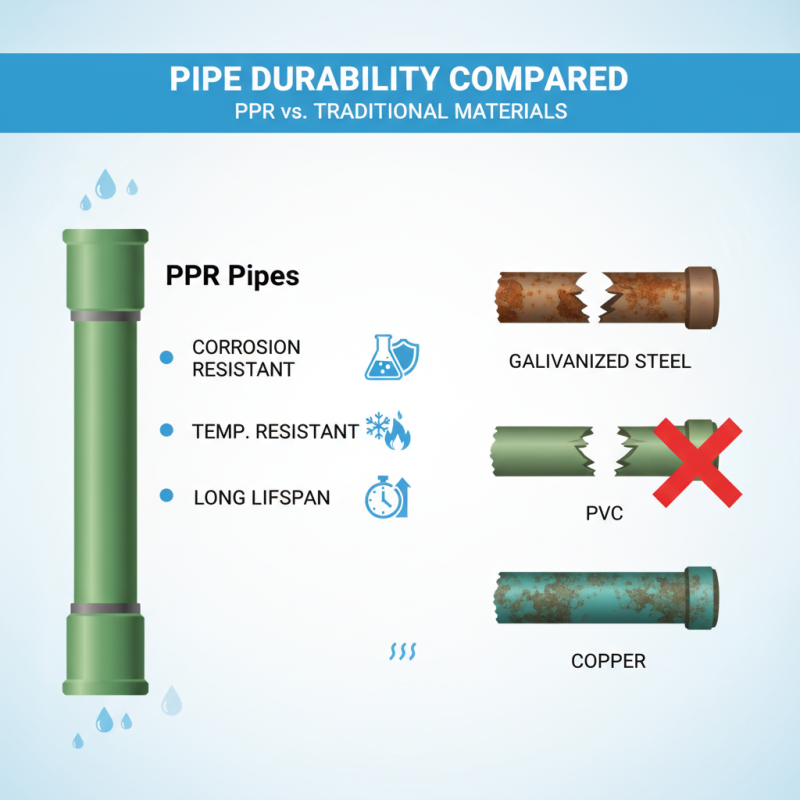
When comparing PPR pipe to traditional pipe materials like PVC, copper, or galvanized steel, durability is one of the standout features of PPR. PPR pipes are resistant to corrosion, which means they can withstand harsh chemicals and compounds that often lead to degradation in other materials. This longevity makes them an ideal choice for water supply and heating systems. Moreover, PPR has a high resistance to temperature changes, maintaining performance in both cold and hot conditions without the risk of cracking or breaking.
Cost-effectiveness is another critical factor when evaluating pipe materials. While the initial investment in PPR may be slightly higher than that of traditional options like PVC, its durability translates to lower maintenance and replacement costs over time. With PPR's impressive lifespan and minimal wear and tear, project managers can save significantly in the long run, making it a wise economic choice for construction.
Tips: When planning your project, consider the specific demands of your application. For high-temperature systems, PPR is more efficient compared to PVC, which can warp under heat. Additionally, ensure proper installation techniques to maximize the lifespan and effectiveness of the PPR piping system, as well-installed pipes can further enhance overall project performance.
Understanding the Installation Process of PPR Pipe and Its Industry Standards
The installation process of PPR (Polypropylene Random Copolymer) pipe is essential to ensure efficiency and durability in various water supply and industrial systems. PPR pipes have gained popularity due to their resistance to corrosion, low thermal conductivity, and high impact strength. According to a report by the International Plastics Pipe Association (IPPA), the global market for PPR pipes is growing at a compound annual growth rate (CAGR) of over 5%, reflecting their increasing adoption in construction and plumbing applications.
When considering installation, it’s crucial to follow established industry standards to ensure the integrity and longevity of the piping system. The installation generally involves cutting the pipes, chamfering the edges, and using a heat fusion technique to join them securely. According to the ASTM F2389 standard, proper alignment and fusion parameters are vital for achieving a strong, leak-proof connection. Incorrect installation can lead to failures, which could result in costly repairs and downtime, emphasizing the importance of skilled labor and adherence to these guidelines.
Ensuring compliance with industry standards like ISO 15874 also helps to maintain the quality and safety of the piping systems, making PPR a reliable choice for contractors and engineers alike.
Market Trends: The Growing Popularity of PPR Pipe in Plumbing Solutions
The growing popularity of PPR (Polypropylene Random Copolymer) pipe is increasingly evident in modern plumbing solutions, as it offers a range of advantages that appeal to both residential and commercial projects. One of the key market trends driving its adoption is the heightened focus on sustainable building practices. PPR pipes are not only recyclable, but they also have a long lifespan, reducing the need for frequent replacements and thereby minimizing environmental impact. Their lightweight nature makes them easier to handle and transport, which can lead to reduced labor costs and quicker installation times.
Additionally, PPR pipes exhibit excellent resistance to corrosion and chemical damage, making them particularly suitable for hot and cold water applications. As more construction professionals seek efficient and durable plumbing options, the shift toward PPR pipes reflects a broader understanding of their long-term cost-effectiveness. The rise in awareness regarding water security and management further enhances the appeal of PPR as a reliable choice for plumbing infrastructure. This increased recognition among builders, contractors, and consumers is expected to continue shaping market dynamics in the coming years, emphasizing the importance of innovative materials in efficient plumbing solutions.