What Is Schedule 80 PVC Pipe Used For?
Schedule 80 PVC pipe is often chosen when a piping system needs a thicker wall than Schedule 40 provides. Its heavier construction can support higher pressure ratings in comparable sizes, though the exact rating depends on pipe diameter, temperature, and manufacturer specifications. The thicker wall also leaves a smaller inside diameter, which can affect flow. That detail is easy to overlook.
You may see schedule 80 pvc in industrial water lines, equipment connections, irrigation systems, and some chemical-handling applications. Its smooth interior and resistance to corrosion can make it practical in suitable conditions. But “chemical resistant” does not mean compatible with every chemical. Check the fluid, concentration, temperature, fittings, and seals before choosing a system. Small details matter.
Schedule 80 is not automatically the best choice just because it looks more robust. It can cost more, weigh more, and reduce flow compared with a thinner-walled pipe of the same nominal size. For a real installation, compare the manufacturer’s pressure charts and confirm that the pipe, fittings, and valves share the required rating. Local codes and project specifications may also affect the choice. A quick visual check is not enough. The right answer depends on the job.
What Schedule 80 PVC Pipe Is
What Is Schedule 80 PVC Pipe Used For?
What Schedule 80 PVC Pipe Is
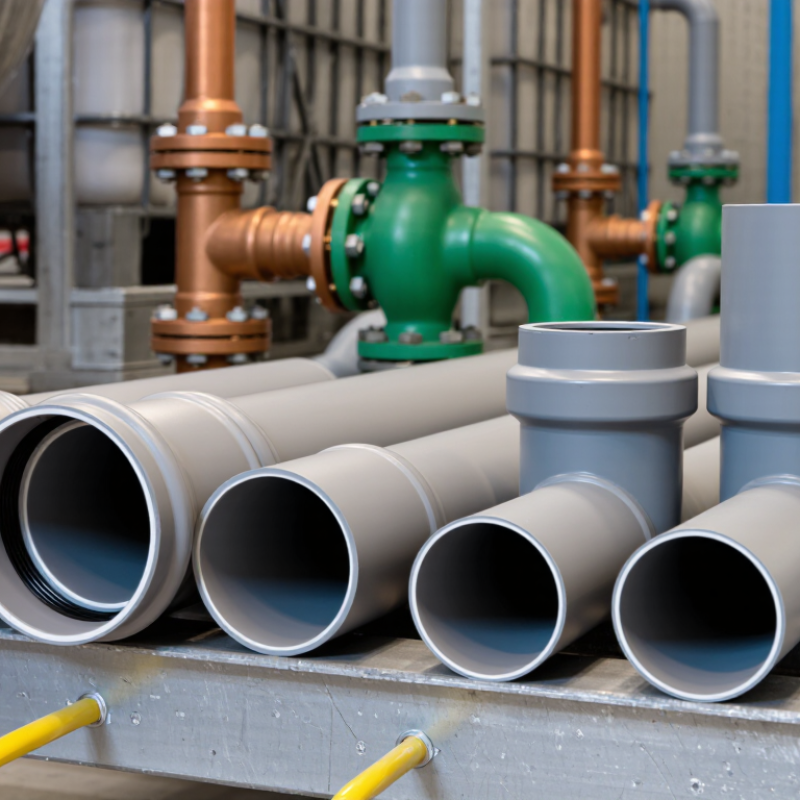
Schedule 80 PVC pipe is a rigid thermoplastic pipe with thicker walls than Schedule 40 pipe of the same nominal size. The schedule describes wall thickness, not a universal pressure rating. Its gray appearance is common, but color alone does not confirm its material or suitability. It is often selected for industrial fluid lines, equipment connections, and locations where added wall thickness is useful.
ASTM D1785 lists a 1-inch nominal Schedule 80 pipe with a 1.315-inch outside diameter and a 0.179-inch wall. The comparable Schedule 40 wall is 0.133 inch, according to the standard’s dimensional tables. That thicker wall leaves less room inside: the approximate inside diameter drops from 1.049 to 0.957 inch. The Plastics Pipe Institute’s Handbook of PVC Pipe Design and Construction also emphasizes that design depends on operating conditions, not schedule alone. The trade-off is easy to miss. Flow may be affected.
Tips: Check fluid compatibility, temperature, pressure, and connection ratings before specifying pipe. Pressure capacity changes with temperature and installation details. When unsure, consult the applicable standard and a qualified designer.
What Is Schedule 80 PVC Pipe Used For?
Schedule 80 PVC is commonly used in industrial process lines, water treatment, and other piping systems that require a thicker pipe wall. This chart shows standard wall thicknesses for selected nominal pipe sizes; the dimensions are based on ASTM D1785. Actual pressure suitability depends on pipe size, temperature, fluid, fittings, and applicable codes.
How Its Wall Thickness Affects Strength and Flow
What Is Schedule 80 PVC Pipe Used For?
How Its Wall Thickness Affects Strength and Flow
Schedule 80 PVC is commonly selected for pressurized water and process lines where a thicker wall helps resist internal pressure and physical damage. The thicker wall does not change the PVC material itself, and it does not guarantee a specific working pressure. Pressure limits depend on pipe size, temperature, material grade, and installation conditions. ASTM D1785 lists the dimensions for Schedule 80 pressure pipe. For nominal 2-inch pipe, its table gives a 0.218-inch wall and a 1.939-inch inside diameter. The corresponding Schedule 40 dimensions are 0.154 inch and 2.067 inches.
That difference matters. At the same flow speed, the smaller Schedule 80 bore provides about 12 percent less cross-sectional area. In a real system, flow also depends on pipe length, fittings, pump capacity, and fluid properties, so the reduction is not a direct prediction of flow rate. The Plastics Pipe Institute’s Handbook of PVC Pipe Design and Construction explains that hydraulic performance should be evaluated using system conditions, not schedule alone. A thicker wall can be useful. But it also means more friction may occur for a given flow, and some fittings or threaded connections can further restrict the passage. Check the inside diameter and pressure rating before specifying a line; it is easy to focus on wall strength and overlook flow.
Where Schedule 80 PVC Pipe Is Suitable
Schedule 80 PVC pipe is suitable where a piping system needs thicker walls than Schedule 40, such as exposed utility lines, equipment connections, and some industrial water or chemical-handling runs. Its thicker wall can help resist impacts and mechanical stress, but it is not immune to damage. A dropped tool can still crack a fitting.
It is often used in pump rooms, treatment equipment, and workshop process lines, where pipes may face vibration or occasional knocks. The thicker wall also reduces the inside diameter, which can limit flow compared with the same nominal size in Schedule 40. Check pressure ratings at the actual operating temperature; heat can lower allowable pressure. Chemical compatibility matters, too. PVC handles many fluids, but not every solvent or cleaning agent.
For buried service, confirm the pipe and joints are rated for the installation, and use suitable bedding to prevent point loads from rocks. Use compatible fittings and solvent cement, following the pipe manufacturer’s instructions. Small details matter. Schedule 80 is not automatically the best choice: if space, flow, or temperature is critical, compare dimensions and ratings before specifying it. Even experienced installers can miss that trade-off.
Key Installation and Compatibility Considerations
Schedule 80 PVC is commonly used in pressurized water lines, chemical transfer, and utility runs where thicker walls provide added mechanical strength. It is not automatically the right choice for every system. ASTM D1785’s dimensional tables list a 1-inch Schedule 80 wall thickness of 0.179 inch. Its smaller bore can affect flow and pump selection. Check actual inside diameter, pressure, and temperature—not just the schedule label.
For joints, use pressure-rated PVC solvent cement that meets ASTM D2564. Cut the pipe square, remove burrs, and keep the pipe and fitting aligned while the joint sets. Small details matter. Threaded connections need extra care because threading removes wall material. Use them only when the system’s pressure rating and fitting instructions allow it. Follow the cement manufacturer’s cure-time guidance before testing, especially in cold or humid conditions.
Chemical compatibility is not a simple yes-or-no chart. Concentration, temperature, exposure time, and stress can all affect performance. Check compatibility data for the specific chemical and operating conditions. For potable-water applications, verify NSF/ANSI/CAN 61 certification for the specific pipe and fittings; PVC alone does not guarantee suitability. Standards set useful limits, but a site-specific review still matters.