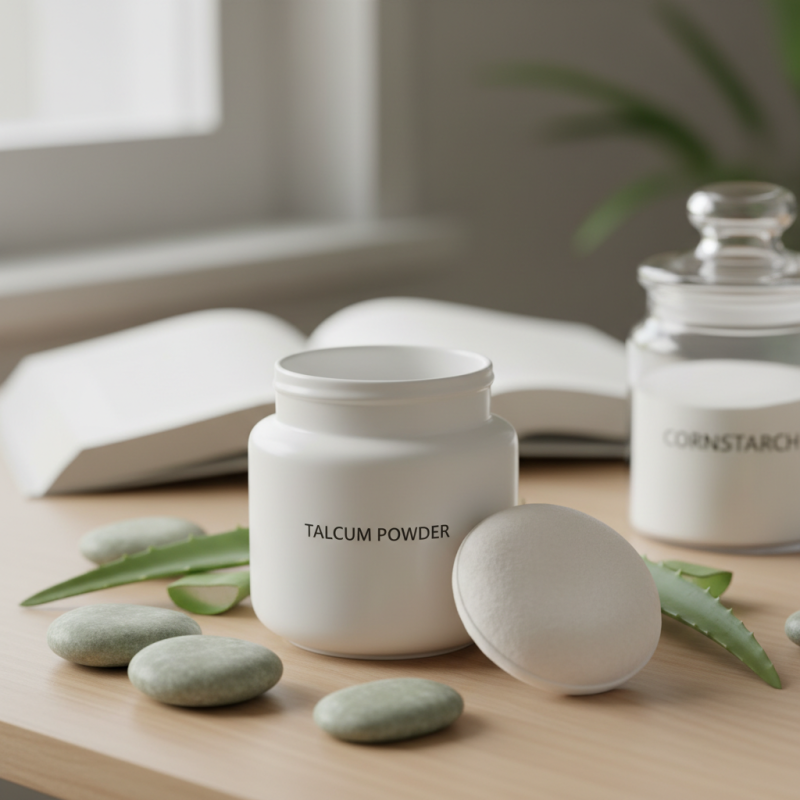
Talcum Powder Tips for Safe Usage and Risks to Consider?
talcum powder is a common household product. Many use it for personal hygiene and comfort. However, the safety of talcum powder has come under scrutiny in recent years. Concerns about potential health risks have sparked important conversations.
This article aims to explore tips for safe usage of talcum powder. It also addresses the potential risks associated with regular use. Users should be aware of these issues. For instance, inhaling talcum powder can irritate lungs. Additionally, there have been links to certain health problems. These connections deserve reflection and caution.
Using talcum powder safely involves being informed. Choose products that contain pure talc and avoid additives. Look for brands that ensure quality and transparency. Users should also consider alternatives if risks feel concerning. Awareness and smart choices can make a difference in everyday use.
Understanding Talcum Powder: Composition and Uses
Talcum powder is made from talc, a mineral composed of magnesium, silicon, and oxygen. Many people use it for its moisture-absorbing properties. It is commonly applied in personal care products like body powders and baby powders. However, awareness of its composition is essential for safe usage.
While using talcum powder, remember a few tips. Always apply it in well-ventilated areas to reduce inhalation risks. Avoid using it on broken skin to prevent irritation. Consider alternatives if you have sensitive skin. It's vital to look for signs of irritation or allergic reactions. Monitoring these can help minimize risks.
Understanding talcum powder's uses is important, yet caution is crucial. Not all products containing talc are created equal. The mining process can introduce impurities, potentially leading to health concerns. Always check product labels and research the sourcing. Knowing where your talc comes from helps ensure safer usage.
Potential Risks Associated with Talcum Powder Usage
Talcum powder has been a staple in personal care for decades. However, concerns over its safety have emerged. Studies show that talc can sometimes be contaminated with asbestos. This is a known carcinogen. According to the American Cancer Society, there's ongoing research linking talcum powder use and ovarian cancer. This connection raises significant concerns.
Another report highlights that nearly 30% of women may use talcum powder regularly. Yet, only a small percentage are aware of the potential health risks. Many users overlook the importance of checking product labels. Some opt for talcum powder as a body freshener without understanding its implications. The lingering questions remain: should you continue using it? Are the risks worth taking?
It’s essential to consider safer alternatives. Cornstarch-based powders have gained popularity as an effective substitute. They provide similar benefits without the associated risks. As awareness grows, many are rethinking their choices. They ponder the safety of everyday products they once trusted. Exploring these options can lead to safer personal care routines.
Guidelines for Safe Application of Talcum Powder
When using talcum powder, proper application is crucial for safety. Experts suggest keeping the powder away from the face to minimize inhalation risks. The American Academy of Pediatrics emphasizes avoiding use on infants, as they are more vulnerable to respiratory issues. Talcum powder can sometimes contain harmful substances. Some studies have indicated a potential link between talc and certain cancers, although the results are still debated in the medical community.
It's essential to apply talcum powder in a well-ventilated space. This reduces the chances of inhalation and ensures that excess powder does not linger in the air. Focus on drying areas of the body to prevent moisture buildup and irritation. Reports show that approximately 15% of users apply more talcum powder than necessary. This can lead to skin irritation and even allergic reactions.
Always check the ingredient list. Products may contain additives that can cause adverse reactions for some individuals. A simple patch test can help identify any sensitivities. Remember, while talcum powder offers benefits, its usage requires careful consideration. Balancing the convenience with potential risks is key to safe application.
Talcum Powder Tips for Safe Usage and Risks to Consider
| Aspect | Details |
| Safe Application | Apply sparingly in dry areas; ensure skin is clean and dry before use. |
| Risks | Potential breathing issues if inhaled; may cause irritation in sensitive areas. |
| Ingredients to Avoid | Avoid products containing talc with asbestos; opt for cosmetic-grade talc. |
| Alternatives | Consider cornstarch-based powders; these are often safer options. |
| Frequency of Use | Limit use to avoid excessive exposure; use only when necessary. |
| Signs of Irritation | Discontinue use if rashes, itching, or respiratory issues occur. |
Alternatives to Talcum Powder for Personal Care
When considering alternatives to talcum powder, various options exist that are both safe and effective. Cornstarch is a popular substitute, offering moisture absorption without the risks associated with talc. Studies suggest that cornstarch can effectively reduce friction and keep skin dry. It's readily available and typically less irritating.
Another option is arrowroot powder. This natural product is derived from tropical plants and has properties similar to cornstarch. Reports indicate that arrowroot can be gentler on sensitive skin. It can help with odor control and is easily applied.
It's wise to remember that even natural alternatives can cause reactions in some individuals. Always conduct a patch test before widespread use. For those who prefer a liquid format, consider using organic body lotions. Look for formulations with aloe vera or coconut oil, as they hydrate skin effectively.
When using any body powder, apply a light, even layer. Excess powder can lead to clumping or irritation. Ensure to keep areas dry and clean to minimize any risk. Always listen to your body and adjust your routine as needed.
Cleaning and Storage Tips for Talcum Powder Products
Talcum powder has a long history of use in personal care. However, safety precautions are necessary. Proper cleaning and storage can help mitigate risks while maintaining the product's effectiveness.
Store talcum powder in a cool, dry space. The American Academy of Dermatology suggests avoiding humidity to prevent clumping. Always check the expiration date on the packaging. Old products may not perform as well and could pose risks. Keep it away from children's reach. Safety is paramount, especially when it comes to little ones.
Cleaning the area where you use talcum powder is essential. Dust and residue can accumulate, leading to potential inhalation issues. Wipe down surfaces regularly. Consider using a damp cloth for thorough cleaning. Some studies show that prolonged exposure could have long-term health effects, even if the evidence isn’t conclusive. Always err on the side of caution.
Avoid leaving containers open. Closing lids promptly can prevent contamination. Additionally, make sure your hands are clean before handling. Safe practices are vital when using talcum powder. Keeping these simple tips in mind can help you navigate its usage more wisely.
Talcum Powder Usage Statistics and Safety Considerations
This chart illustrates the percentage of users based on their frequency of talcum powder usage. Understanding the distribution of usage can help highlight the need for safe practices and inform users about potential risks.