Top 10 Schedule 80 PVC Fittings for Your Next DIY Plumbing Project
In recent years, the demand for durable and efficient plumbing materials has surged, prompting a closer look at the benefits of Schedule 80 PVC fittings. According to industry reports, the global PVC pipe market is expected to reach approximately $82 billion by 2025, with Schedule 80 variants gaining significant traction for their enhanced pressure ratings and thicker walls. These fittings are particularly favored in commercial and industrial applications where high durability and chemical resistance are paramount.
As DIY plumbing projects become increasingly popular, homeowners and enthusiasts alike are recognizing the value of Schedule 80 PVC fittings. Their ability to withstand higher pressures and harsh environments makes them an ideal choice for a variety of applications. In fact, a recent study revealed that projects utilizing Schedule 80 fittings could reduce maintenance costs by up to 30%, highlighting their long-term benefits. Whether you're planning a simple home renovation or a comprehensive plumbing overhaul, selecting the right fittings can make all the difference in ensuring a reliable and lasting installation. In this article, we will explore the top 10 Schedule 80 PVC fittings that can elevate your next DIY plumbing project to new heights.

Choosing the Right Schedule 80 PVC Fittings for Your Project
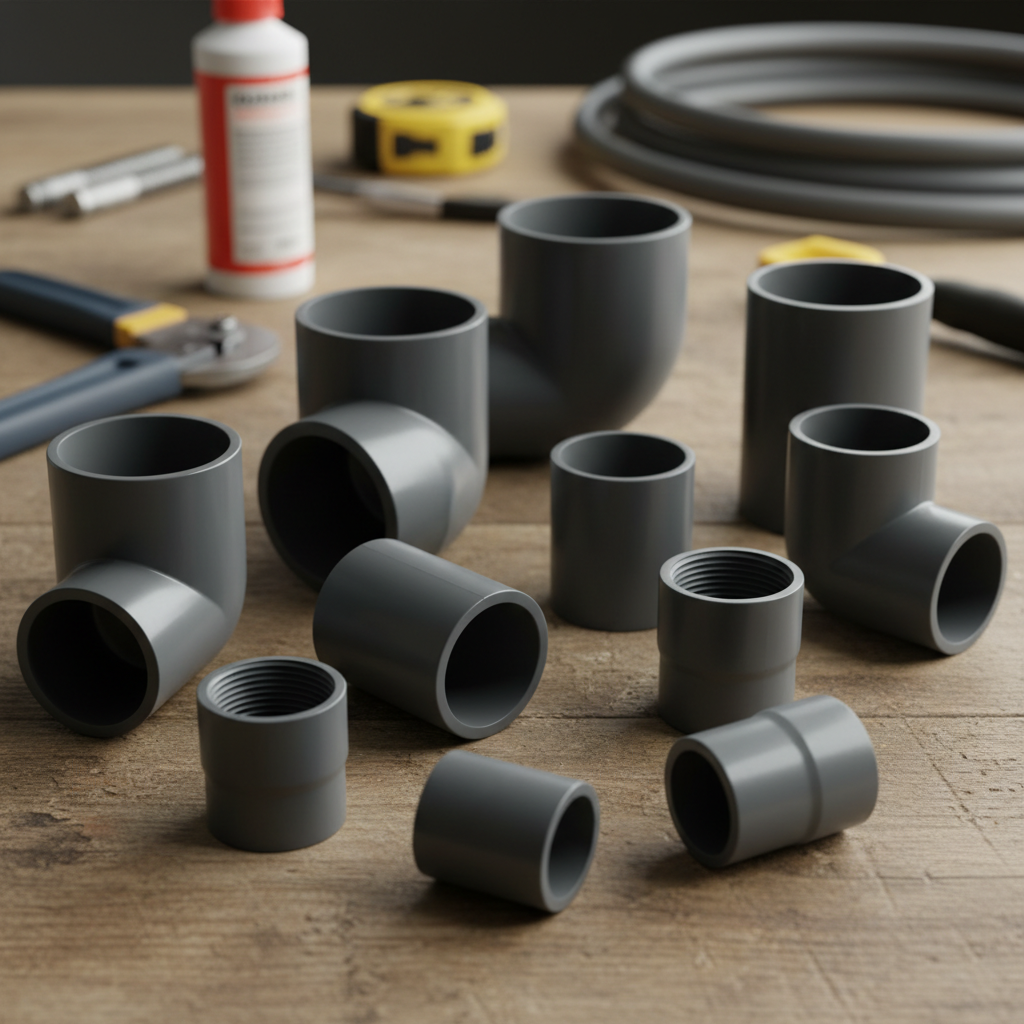
When embarking on a DIY plumbing project, choosing the right Schedule 80 PVC fittings is crucial for ensuring durability and performance. Schedule 80 PVC is known for its higher pressure rating compared to Schedule 40, making it suitable for various applications, particularly in industrial or high-temperature environments. According to a report from the Plastics Pipe Institute, Schedule 80 PVC can handle pressures up to 280 psi at 73°F, which provides a significant safety margin for many plumbing needs.
When selecting fittings, it's essential to consider the specific requirements of your project, including the type of fluids you'll be transporting and the environment in which they'll be used. For instance, if you're dealing with corrosive substances or higher temperature applications, Schedule 80 PVC fittings will outperform their Schedule 40 counterparts. Additionally, a survey conducted by the American Society of Plumbing Engineers states that using PVC fittings can lead to a reduction in installation time by up to 30%, highlighting their efficiency for DIY enthusiasts. Choosing fittings that match the pipe size and application requirements will lead to a more effective and long-lasting plumbing system.
Essential Tools and Materials Needed for DIY Plumbing
When embarking on a DIY plumbing project, gathering the essential tools and materials is crucial for success. A basic toolkit should include a tape measure, a hammer, a variety of screwdrivers, and wrenches, as these are fundamental for most plumbing tasks. A utility knife and a level also come in handy, providing the precision necessary for accurate measurements and cuts. Investing in a reliable stud finder can make locating existing pipes or wiring easier, ensuring a smoother installation process.
Additionally, new DIYers should consider exploring cost-effective tool options. For example, stores often provide useful tools that cater to both the budget-conscious and the experienced handyman. By starting with these essential tools, even novices can feel empowered to tackle their plumbing projects with confidence. As the demand for home repairs continues to rise, having a well-equipped toolkit enables homeowners to save time and money, transforming simple projects into satisfying accomplishments.
Top 10 Schedule 80 PVC Fittings: Features and Benefits
When embarking on a DIY plumbing project, choosing the right fittings can make a significant difference in the overall durability and functionality of your system. Schedule 80 PVC fittings are designed to endure higher pressures and are thicker than their Schedule 40 counterparts, making them ideal for industrial applications and scenarios where water temperature and pressure fluctuate. Their robust construction ensures that they can handle serious wear and tear, offering peace of mind for any plumbing enthusiast.
One of the standout features of Schedule 80 PVC fittings is their resistance to corrosive chemicals and environmental factors, allowing for versatile use in both indoor and outdoor applications. Additionally, they are lightweight, making them easy to handle and install without compromising strength. These fittings come in various shapes and sizes, providing flexibility in designing your plumbing layout. Furthermore, their smooth interior surface allows for superior fluid flow, reducing the risk of clogs, which is essential for any efficient plumbing system.
Installation Tips for Optimal Performance with PVC Fittings
When embarking on a DIY plumbing project with Schedule 80 PVC fittings, proper installation is crucial for ensuring optimal performance and longevity. First, always ensure you have a clean, dry surface before starting. Use a pipe cutter or a saw to obtain clean cuts on your PVC pipes, as jagged edges can hinder proper sealing. After cutting, deburr the edges to eliminate any rough spots that might interfere with the joint fit. For an effective bond, clean the pipe and fitting surfaces with PVC cleaner, which removes debris and prepares them for cement application.
Next, apply PVC cement generously to both the fitting and the pipe, ensuring full coverage. Time is of the essence—once the cement is applied, fit the two pieces together with a twisting motion to evenly distribute the cement. Hold them in place for a few seconds to allow the initial set before releasing them. Finally, allow adequate curing time as recommended by the manufacturer before testing the system under pressure. By following these installation tips, you can enhance the durability and performance of your plumbing system, ensuring a successful DIY project.
Common Mistakes to Avoid When Working with Schedule 80 PVC
When embarking on a DIY plumbing project using Schedule 80 PVC fittings, it's essential to be aware of common pitfalls that can lead to costly issues down the line. A report from the Plastics Industry Association indicates that improper installation is one of the leading causes of plumbing failures, with over 30% of DIY plumbing repairs requiring professional intervention due to initial mistakes. One frequent error is the mishandling of cuts. Ensuring clean, straight cuts is vital for achieving a proper seal, as any irregularities can cause leaks.
Another prevalent mistake is underestimating the importance of using appropriate solvent cement and primer. According to a study by the American Society for Testing and Materials (ASTM), inadequately primed joints can decrease tensile strength by up to 60%, leading to potential system failure. Moreover, not allowing sufficient curing time after applying the cement can result in joint failure, as the materials need time to bond effectively. It's crucial for DIY enthusiasts to adhere to manufacturer guidelines and industry standards to ensure a successful plumbing project with Schedule 80 PVC fittings.
Top 10 Schedule 80 PVC Fittings for Your Next DIY Plumbing Project
The chart above represents the usage frequency of the top 10 Schedule 80 PVC fittings in DIY plumbing projects. Understanding which fittings are most commonly used can help you select the right components for your next project and avoid common mistakes.