Top Plastic Pipe Fittings Types for Your Plumbing Needs?
When it comes to home plumbing, choosing the right materials is crucial. Plastic pipe fittings are growing in popularity. They are lightweight, durable, and often more cost-effective than metal options. Their versatility makes them ideal for various plumbing applications.
Choosing the appropriate type of plastic pipe fitting can feel overwhelming. Many options are available, and each has distinct features. Some homeowners may focus too much on price, neglecting other important factors. It's essential to consider the specific needs of your plumbing system.
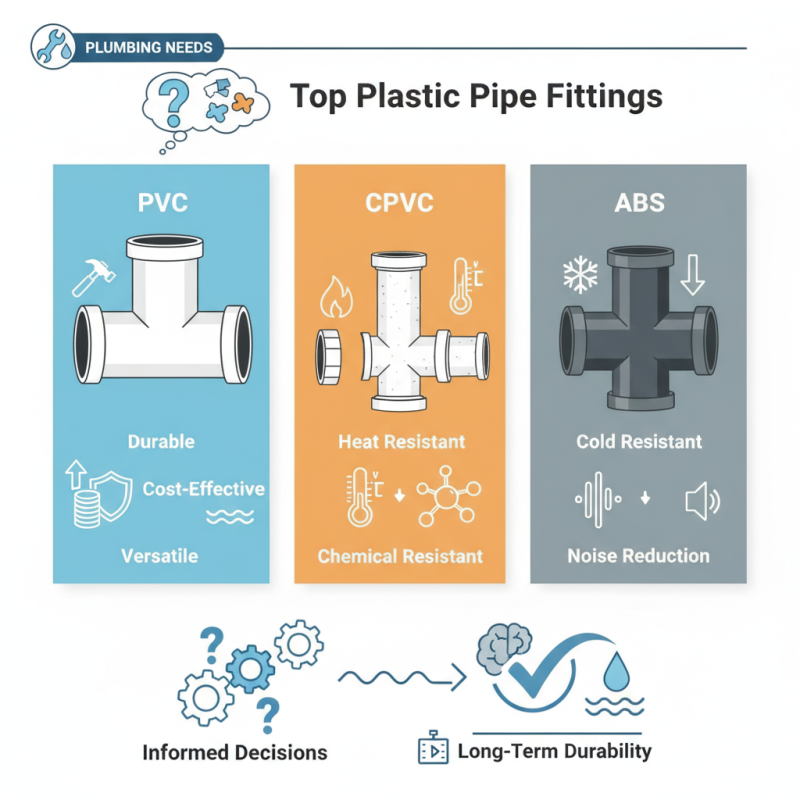
Understanding types like PVC, CPVC, and ABS is key. Each material has unique benefits and limitations. When selecting plastic pipe fittings, reflect on long-term durability and impact on water flow. Making informed decisions now can prevent future issues.
Types of Plastic Pipe Fittings Commonly Used in Plumbing
When it comes to plumbing, choosing the right plastic pipe fittings is crucial. PVC fittings are among the most common types used. They are lightweight, resistant to corrosion, and easy to install. Many plumbers prefer them for residential projects. However, improper glue application can lead to leaks.
CPVC fittings are another popular option, designed for hot water applications. They can handle higher temperatures than PVC, making them ideal for hot water lines. Still, maintaining the correct temperature during installation is vital. Missed steps may cause issues later on.
ABS fittings, known for their strength, are also common in certain plumbing systems. They are often used for drainage applications. However, they can be more challenging to work with compared to PVC and CPVC. This leads to frustrating installation processes if not approached carefully. Always remember to double-check connections and fittings to avoid potential mishaps down the road.
Key Features and Benefits of Plastic Pipe Fittings
Plastic pipe fittings are gaining popularity in plumbing systems. They offer many advantages over traditional materials. One notable feature is their resistance to corrosion. Unlike metal, plastic doesn’t rust or degrade over time. This quality ensures a longer lifespan for plumbing systems, reducing replacement costs.
Another benefit is their lightweight nature. Plastic fittings are easy to handle, making installation more manageable. This can save time and labor, especially in large projects. Additionally, they come in various shapes and sizes, allowing for versatile applications in residential and commercial settings.
Tips: When choosing plastic fittings, consider the specific needs of your project. Always check compatibility with existing pipes. Sometimes, plastic may not suit high-temperature applications. Ensure you understand the limitations of the materials you choose. They can be great, but they aren't perfect.
Top Plastic Pipe Fittings Types for Your Plumbing Needs
This chart illustrates the popularity of different types of plastic pipe fittings commonly used in plumbing. PVC fittings are the most popular choice, followed by CPVC and PP fittings. Understanding these trends can help you make informed decisions for your plumbing needs.
Installation Process for Plastic Pipe Fittings
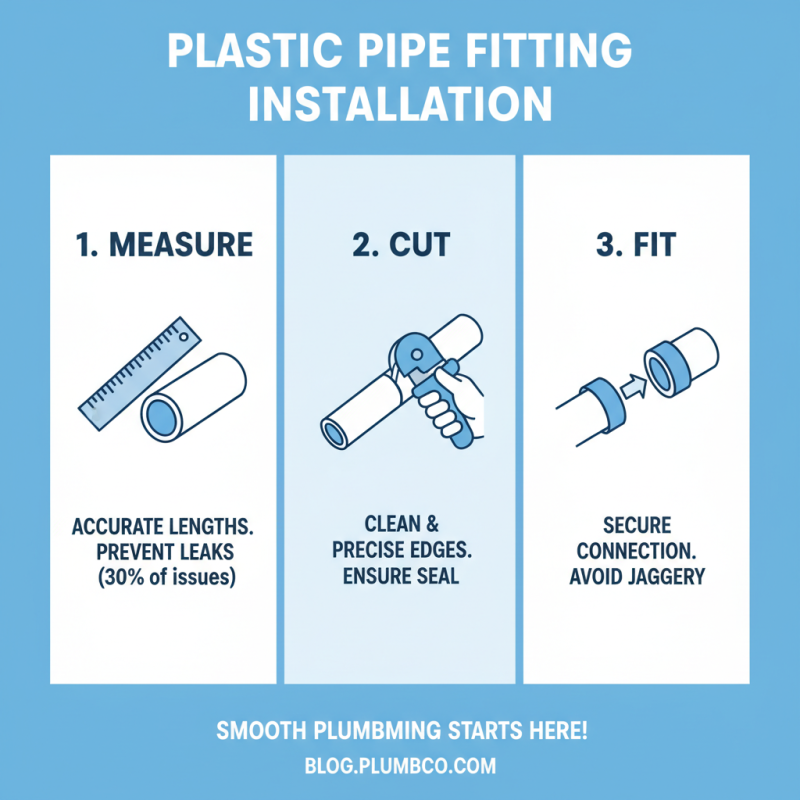
When installing plastic pipe fittings, the process can seem straightforward. Yet, there are nuances to consider. Begin by measuring the pipe lengths accurately. A mistake can lead to leaks. According to industry reports, improper measurements account for about 30% of plumbing issues. Ensure that each cut is clean and precise. A jagged edge can cause the fitting to not seal properly.
Tips: Always wear safety gear. Don’t underestimate the importance of gloves and goggles.
Next, ensure that the fittings are compatible with your pipes. Use a suitable solvent cement for PVC or CPVC pipes. Each type may require different drying times. Inadequate time can lead to future failures. Observing a curing period of 24 hours is recommended by experts.
Tips: Conduct a dry fit before applying any adhesives. This practice can help identify any issues before committing to the installation.
Finally, after installing, check for leaks. This is often overlooked. A quick pressure test can save future headaches. Remember, diligence in these small steps ensures long-lasting results.
Comparing Plastic Fittings to Other Materials
When it comes to plumbing, choosing the right fittings is crucial.
Plastic fittings have gained popularity for their lightweight nature
and resistance to corrosion. They are easy to install and often less expensive than metal options. However, their strength
can vary. Not all plastics are created equal, and some may degrade over time when exposed to certain chemicals.
Comparing plastic fittings to metal is essential.
Metal fittings, like copper or stainless steel,
offer durability and longer life spans. They can withstand higher temperatures and pressures. Yet, they may corrode, especially
in moist environments. The installation process for metal can also be more complicated, requiring specific tools and skills.
Ultimately, each material has its drawbacks. Plastic fittings are prone to cracking
under extreme temperatures, while metal can rust.
Contractors often weigh these factors before making a choice. It's important to assess your specific plumbing needs
before deciding.
Maintenance Tips for Enhancing Longevity of Plastic Pipe Fittings
Maintaining plastic pipe fittings is crucial for their longevity. Regular inspection is key. Look for any signs of wear or leaks. Small cracks can escalate into bigger problems. It’s better to address them early.
Over time, plastic can become brittle. Changes in temperature can accelerate this.
Cleaning is another important aspect. Use mild soap and water to remove dirt. Avoid harsh chemicals that could damage the fittings. They can build up over time.
Remember to rinse thoroughly. This simple step can save you from costly repairs.
Mind the fittings' exposure to sunlight. UV rays can weaken plastic over time. If possible, shield them from direct sunlight. Regularly tightening connections can also prevent leaks. A loose fitting can worsen issues.
Check connections often and ensure they are secure. These small habits can enhance the lifespan of your fittings significantly.