Top Types of PPR Pipe for Your Plumbing Needs?
When choosing piping for plumbing, many options exist. One popular choice among experts is the PPR pipe. Jeremy Collins, a plumbing industry expert, states, “PPR pipes provide durability and versatility for various plumbing needs.” This highlights the increasing relevance of PPR pipe in modern installations.
PPR pipes are known for their strength and resistance to corrosion, making them ideal for both hot and cold water systems. However, not all PPR pipes are created equal. Different grades and types can influence their performance, leading to potential pitfalls if not researched thoroughly. An informed decision can save time and money in the long run.
Many homeowners overlook the importance of selecting the right type of PPR pipe. This oversight can lead to problems, including leaks or early degradation. Understanding your specific plumbing requirements is key to choosing the appropriate PPR pipe. Therefore, engaging with knowledgeable professionals in the field is crucial for reliable results.
Understanding PPR Pipe and Its Benefits for Plumbing
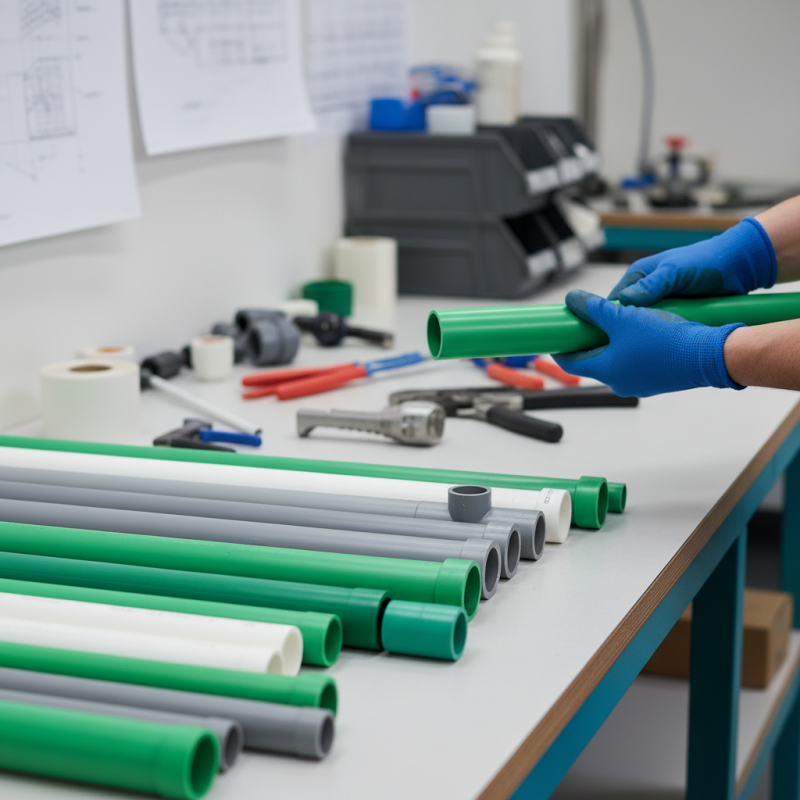
PPR (Polypropylene Random Copolymer) pipes have gained popularity in plumbing due to their numerous advantages. They are lightweight yet incredibly strong, making them suitable for both residential and commercial applications. Reports indicate that PPR pipes can last over 50 years with proper installation, significantly reducing the need for frequent replacements. This durability is a major selling point, especially in areas prone to corrosive water.
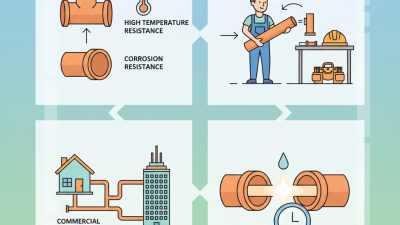
The benefits of using PPR pipes extend beyond durability. They resist scale and corrosion, reducing maintenance costs for homeowners. According to industry studies, PPR pipes have a lower thermal conductivity than metal pipes, which helps to maintain water temperature effectively. This efficiency can lead to lower energy expenses. Surprisingly, many still hesitate to switch from traditional materials. The initial costs may deter some, but lower lifetime expenses often outweigh initial investments.
PPR pipes also support eco-friendly practices. With a resistance to chemical leaching, they ensure that drinking water remains uncontaminated. This aligns with the growing demand for safe and sustainable plumbing solutions. However, understanding their correct application remains vital. Improper installation can lead to issues, despite the material’s benefits. Addressing installation challenges can enhance the performance of PPR systems significantly.
Different Types of PPR Pipes: An Overview
PPR pipes, made from polypropylene random copolymer, are popular for plumbing systems. They offer advantages like corrosion resistance and a long lifespan. Different types of PPR pipes cater to various plumbing needs, ensuring flexibility and reliability.
One common type is the standard PPR pipe. It is suitable for cold and hot water supply. This pipe type has good thermal insulation. Users often appreciate its ability to handle varying temperatures. Another variant is the PPR pipe with a fiberglass or aluminum core. This type provides added strength and reduces thermal expansion. However, it's essential to consider the installation process. It can be more complex than using standard pipes.
Many contractors prefer choosing the right pipe size for plumbing systems. This decision impacts water flow and pressure. A common mistake is selecting a pipe without considering its specific application. It’s crucial to understand the environment where you plan to use the pipe. Each type has its pros and cons, so detailed research is vital. This approach ensures optimal performance for your plumbing needs.
Top Types of PPR Pipe for Your Plumbing Needs
| Type of PPR Pipe |
Size (mm) |
Pressure Rating (MPa) |
Applications |
| Standard PPR Pipe |
20 - 160 |
1.0 - 2.5 |
Cold and hot water supply |
| PPR Pipe with Fiber |
20 - 110 |
1.0 - 1.6 |
HVAC systems |
| PPR Pipe for Heating |
25 - 140 |
1.6 - 4.0 |
Radiant heating systems |
| Anti-corrosive PPR Pipe |
32 - 90 |
1.0 - 2.0 |
Chemical transportation |
| PPR Pipe with UV Protection |
20 - 50 |
1.0 |
Outdoor installations |
Choosing the Right PPR Pipe for Various Applications
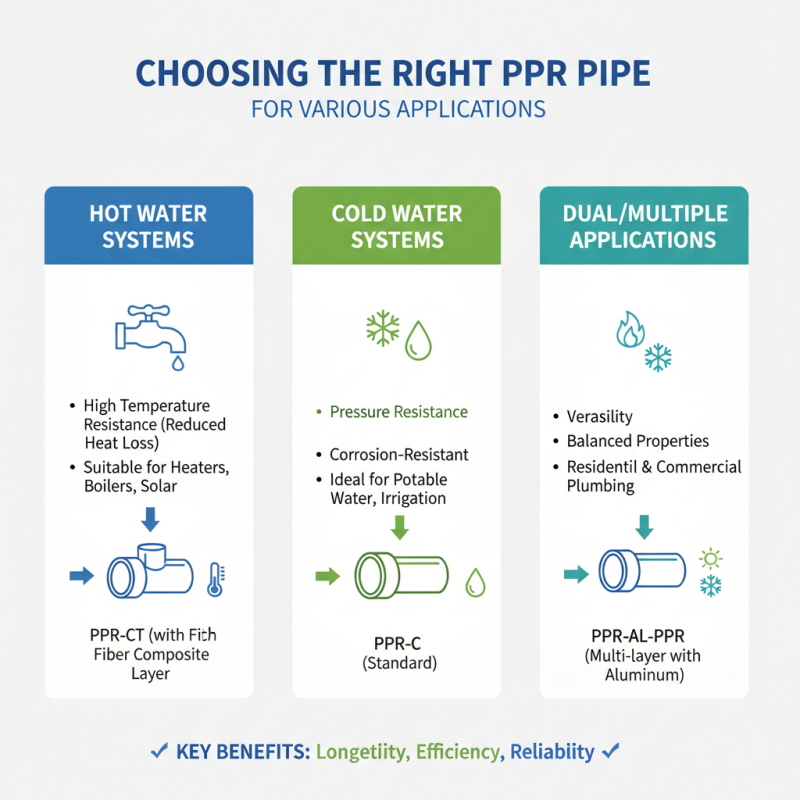
Choosing the right PPR pipe is crucial for effective plumbing. Different applications may require specific types of PPR pipes based on their properties. For example, some pipes are better suited for hot water systems, while others excel in cold water applications. Understanding these differences can lead to better performance and longevity.
Tips: Consider the temperature range of your application. High-temperature systems need pipes that can handle the heat without deforming. Also, evaluate the pressure requirements. Not all PPR pipes can withstand high pressure. Selecting the wrong type can lead to leaks and costly damages.
When choosing PPR pipes, always factor in installation conditions. Some pipes are easier to install in tight spaces, while others may require specific tools. Furthermore, consider plumbing codes in your area to ensure compliance.
Do not overlook the importance of verifying the pipe's specifications. A quick check can save you time and money. Remember, not all PPR pipes are created equal. Reflection on your specific needs can guide you to the most suitable choice.
Installation Techniques for PPR Pipes: A Guide
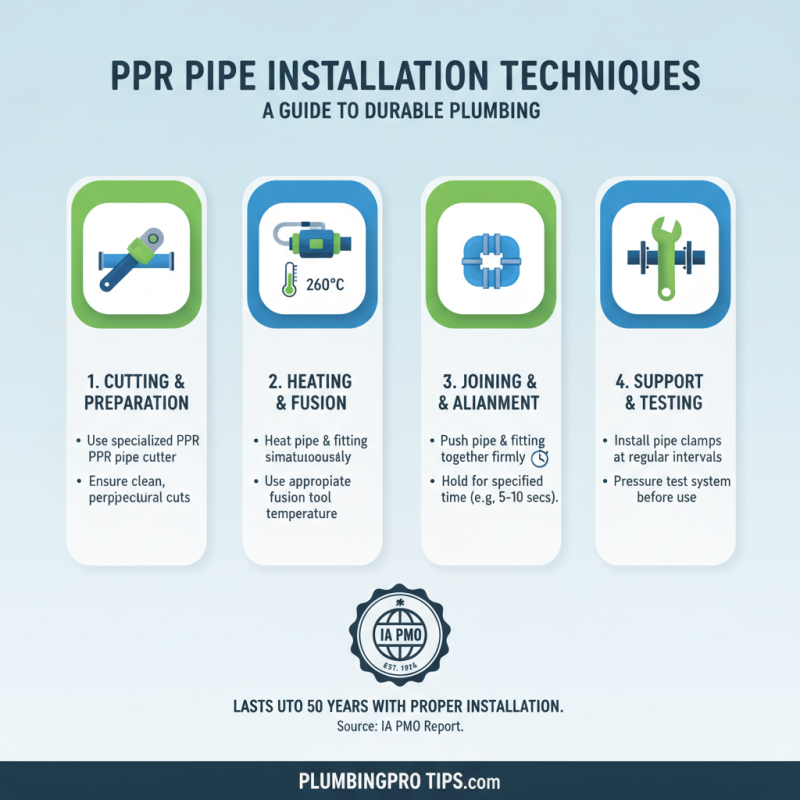
PPR pipes have gained popularity due to their durability and resistance to corrosion. To install these pipes effectively, understanding the proper techniques is crucial. A report by the International Association of Plumbing and Mechanical Officials stated that PPR pipes can last up to 50 years with proper installation.
One common method is the heat fusion technique. This involves heating both pipe ends to a specific temperature, then joining them quickly. Precision is key; idle time can lead to poor joints. Many professionals suggest using quality heat fusion tools that provide accurate temperature control. Such measures ensure long-lasting connections and reduce the risk of leaks.
Another technique is the use of socket fittings. This method offers ease of installation, especially for those new to plumbing. However, it requires meticulous measurement. Improperly cut or misaligned pipes can lead to future complications. A report from the World Health Organization indicates that improperly installed plumbing can affect water quality, highlighting the importance of correct practices.
Maintenance Tips for Ensuring Longevity of PPR Plumbing Systems
When it comes to maintaining your PPR plumbing systems, regular care is essential. Over time, even the best materials can show wear. Simple maintenance can extend the life of your pipes significantly.
One key tip is to check for leaks frequently. Even small leaks can lead to significant damage or water waste. Inspect joints and fittings regularly. If you notice damp areas, address them quickly to prevent mold growth. Keep your PPR pipes free of debris. Blockages can cause pressure buildup, increasing the risk of damage.
Temperature fluctuations can also affect PPR pipes. Avoid exposing them to extreme heat or cold. Insulating your pipes can help mitigate these risks. High temperatures can cause the material to soften. Conversely, freezing temperatures may lead to cracking. Regularly monitoring your plumbing system can help you catch issues early. Investing time in simple checks can pay off in long-term reliability.
Top Types of PPR Pipe for Your Plumbing Needs
This chart illustrates the different types of PPR pipes commonly used in plumbing applications, along with their estimated usage rates based on industry data.