How to Use CPVC Pipes for Your Plumbing Projects?
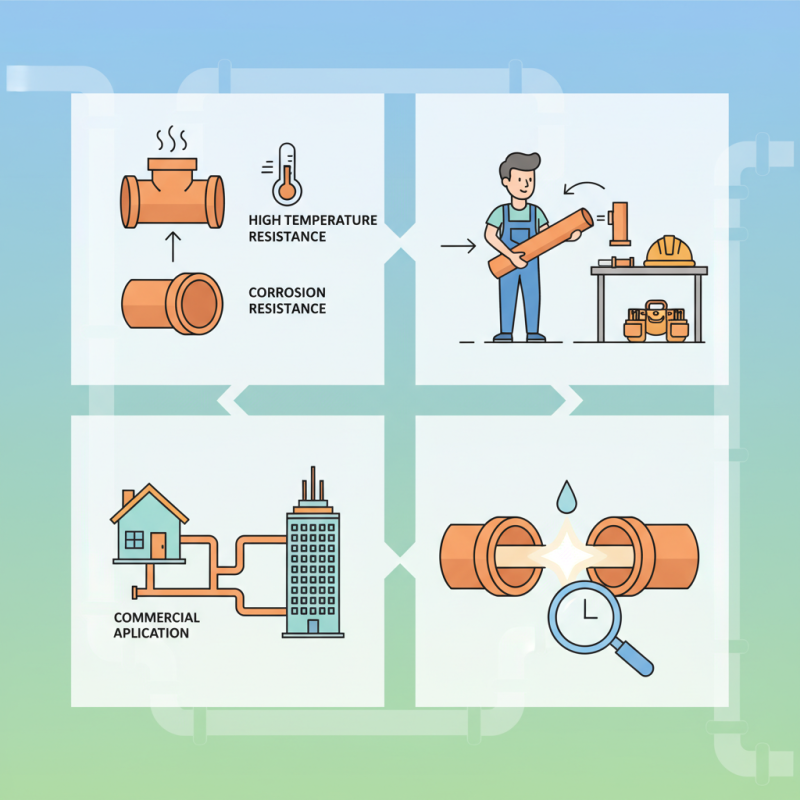
CPVC pipes have gained popularity in plumbing projects due to their durability and resistance to corrosion. Choosing CPVC means you're opting for a material that withstands high temperatures. This characteristic makes CPVC ideal for hot water systems.
When planning a plumbing project, understanding how to use CPVC pipes is essential. They are lightweight and easy to install, which is a significant advantage for DIY enthusiasts. However, proper installation techniques are crucial. Failing to do so can lead to leaks and other issues.
The versatility of CPVC allows it to be used in various applications. You can use it for both residential and commercial plumbing needs. Keeping up with best practices ensures your project stands the test of time. Remember, while working with CPVC, it's important to take your time and pay attention to details.
Introduction to CPVC Pipes and Their Benefits
CPVC pipes have become a popular choice in plumbing projects. They offer a range of benefits that make them appealing to both professionals and DIY enthusiasts. One key advantage is their resistance to corrosion. Unlike metal pipes, CPVC does not rust over time. According to industry reports, over 60% of plumbing failures are linked to corrosion in pipes. This makes CPVC a smart long-term investment.
Another notable benefit of CPVC is its ease of installation. The lightweight nature of these pipes reduces the physical strain during handling. It also allows for faster assembly processes. A report from the Plastic Pipe Institute indicates that CPVC pipes can be installed up to 30% faster than traditional metal systems. However, it's crucial to ensure proper fittings and connections, as improper installation can lead to leaks.
CPVC pipes also hold up well under extreme temperatures. They can handle hot water systems efficiently, providing service at temperatures up to 200°F. Despite these advantages, some users may overlook the thermal expansion properties of CPVC. If not accounted for, this can lead to stress on joints. Understanding the entire system is vital for maximizing the benefits of this piping option.
Essential Tools Required for Working with CPVC Pipes
Working with CPVC pipes can be rewarding, but you need the right tools. Essential tools include a pipe cutter, which provides a clean and precise cut. An adjustable wrench makes it easier to tighten fittings. These tools ensure you have a seamless installation process.
Safety gear is just as crucial. Gloves protect your hands from sharp edges. Safety goggles shield your eyes from debris. They are small additions that make a big difference. Inadequate preparation can lead to mistakes. A simple oversight might result in leaks, which waste time.
You might also consider a deburring tool. Smooth out the edges of cut pipes to prevent damage. Measuring tape is another must-have. It ensures accurate pipe lengths and placements. Without proper measurements, projects can go awry. Avoid rushing through these steps. Take a moment to double-check your work before proceeding.
How to Use CPVC Pipes for Your Plumbing Projects? - Essential Tools Required for Working with CPVC Pipes
| Tool |
Description |
Purpose |
| Pipe Cutter |
A tool designed to cut CPVC pipes cleanly and accurately. |
Used to achieve a straight and smooth cut on pipes. |
| Deburring Tool |
A tool used to remove burrs and sharp edges from cut pipes. |
Prepares the pipe for proper fitting and joins. |
| PVC Primer |
A solvent used to soften the surface of the pipe. |
Prepares the pipe for adhesive bonding. |
| CPVC Cement |
A strong adhesive for bonding CPVC joints. |
Used for joining CPVC fittings and pipes securely. |
| Measuring Tape |
A tool for measuring lengths of pipe accurately. |
Ensures correct sizing for installation. |
| Safety Gear |
Includes safety glasses and gloves for protection. |
Ensures safety while working with tools and materials. |
Step-by-Step Guide to Cutting and Fitting CPVC Pipes
When working with CPVC pipes, precision is key. Start by measuring the area where you plan to install the pipes. Use a tape measure for accuracy. Mark the cutting points clearly with a pencil. While cutting, maintain a steady hand to ensure a clean edge. Remember, rough cuts can lead to leaks later on.
For fitting, a proper adhesive is crucial. Apply the adhesive evenly on both the pipe and the fitting. Make sure to press them together firmly. It’s important to hold them in place for a few seconds. During this process, you might encounter some resistance. Don't rush; take your time to get it right.
After fitting, check for gaps. Any small openings can be potential issues down the line. It may feel tedious, but thorough inspections save time and money later. Mistakes happen. If a mistake did occur, consider the option of using couplings or joiners as a fix. Always reflect on your work to learn and improve for the next project.
Techniques for Joining CPVC Pipes: Solvent Welding Process
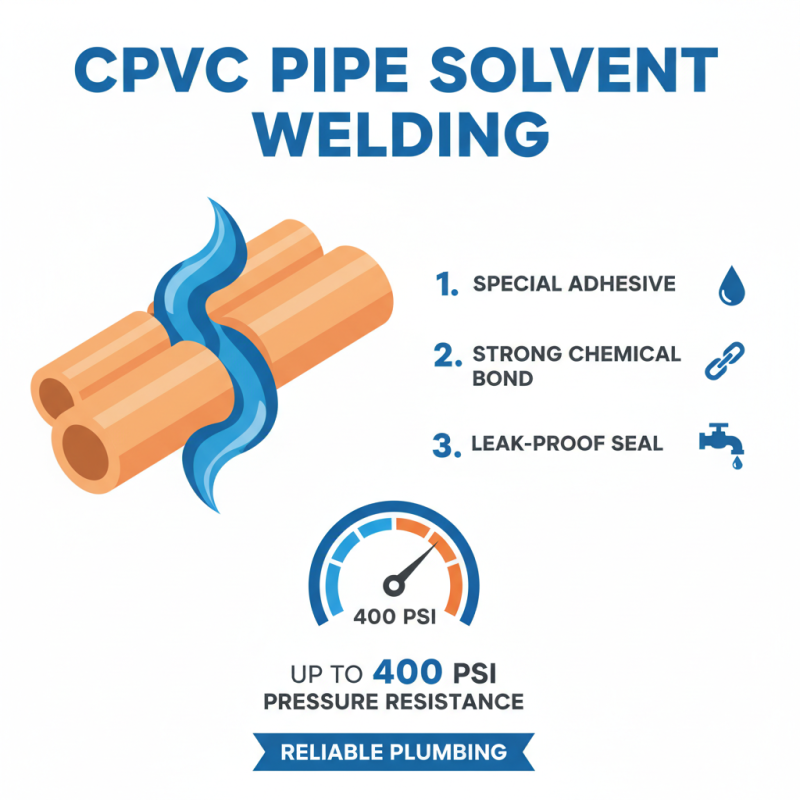
When working with CPVC pipes, the solvent welding process is critical. This method uses a special adhesive to bond the pipes and fittings. The adhesive creates a strong chemical bond, ensuring a leak-proof seal. According to industry reports, a properly solvent-welded joint can withstand pressures up to 400 PSI. This strength is vital for plumbing systems under high demand.
Preparation is essential before applying the solvent. Clean the pipe and fitting surfaces thoroughly. Any dust or debris can weaken the joint. Apply the adhesive evenly and promptly. The bonding process starts immediately. Wait for the specified curing time, typically 24 hours, before pressurizing the system. Missing these steps can lead to leaks or joint failure.
It's also crucial to choose the right solvent. Many users may overlook this detail. The wrong solvent can compromise the joint. For instance, some solvents are not suitable for CPVC applications. This misstep can result in costly repairs and increased frustration. A little attention to detail can save time and resources.
Tips for Proper Maintenance and Troubleshooting of CPVC Plumbing
CPVC (Chlorinated Polyvinyl Chloride) pipes are popular in plumbing due to their resistance to corrosion and high temperatures. However, proper maintenance is vital to ensure their longevity. A study from the Plastic Pipe and Fittings Association shows that over 70% of CPVC pipe failures occur due to improper installation or lack of maintenance. Regular inspections can help identify issues early.
Look for signs of leaks or visible damage. CPVC can become brittle over time, especially when exposed to UV light. If you notice cracks, it’s essential to replace the affected section promptly. Using proper adhesives during installation is also crucial, as subpar glues can lead to joint failures down the road. Adhering to manufacturer guidelines can increase the lifespan of your plumbing system.
It's important to note that while CPVC is designed to withstand hot water, prolonged exposure to extreme temperatures may weaken the pipes. Ensure water temperatures do not exceed recommended limits. Some homeowners overlook the impact of chemical cleaners on CPVC. Strong chemicals can degrade the material, leading to failures. Be mindful of what you use to clean your plumbing system.
CPVC Pipes Usage and Maintenance Statistics
This bar chart illustrates the various aspects of CPVC pipes including installation ease, maintenance frequency, troubleshooting challenges, average lifespan, cost efficiency, and overall usage popularity within plumbing projects. Each parameter is rated on a scale from 0 to 100.