
For businesses, appearance is part of the customer experience. A welcoming reception desk, carefully styled product shelf, or bright café table can make a space feel more considered. Artificial Flowers offer a practical way to maintain that look across changing seasons and busy schedules. They do not need watering, and they can be arranged before an event without worrying about wilting during the day. That helps teams keep displays consistent across multiple locations.
They are not magic. Dust collects on petals, sunlight can fade some materials, and a poorly made stem may look flat under bright shop lighting. Choosing well means checking color, texture, finish, and how the arrangement looks from several angles. A soft fabric bloom may suit a boutique, while a simpler design might work better in a modern office. Maintenance still matters: regular dusting and occasional reshaping help arrangements stay presentable. Artificial Flowers may also be less suitable where fresh fragrance or seasonal variation is central to the atmosphere. There is a trade-off.
For owners and designers, the useful question is not whether artificial or fresh flowers are always better. It is which option fits the space, budget, and care routine. A small sample tested beside the window or under the store’s lighting can reveal details that photographs miss. With thoughtful selection, these flowers can provide dependable decoration while leaving staff more time for daily operations.
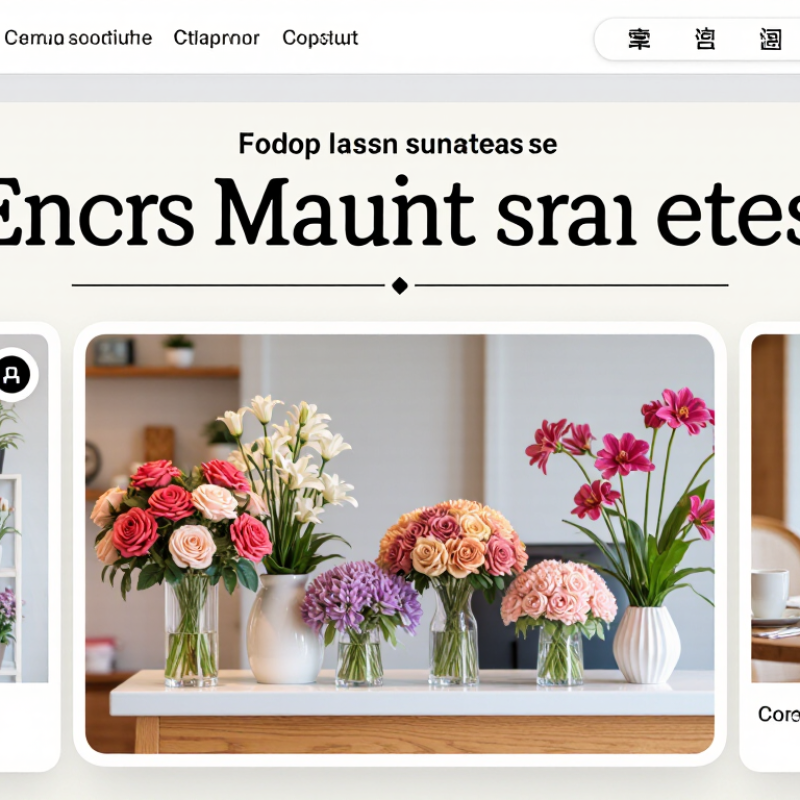
Understanding Artificial Flowers and Their Role in Business
Artificial flowers are crafted from materials such as polyester, plastic, or latex to resemble fresh blooms. For businesses, their main value is consistency: a lobby arrangement can keep its color and shape through changing seasons, warm lighting, and long display hours. They also avoid daily watering and routine replacement. That matters.
Grand View Research estimated the global artificial plants market at USD 1.68 billion in 2022 and forecast a 4.5% compound annual growth rate from 2023 to 2030. This is a market estimate, not proof that every business benefits equally. Still, it signals sustained commercial interest in durable decorative greenery and flowers. Hotels, shops, restaurants, and event venues may use them where dependable appearance is important.
Selection needs care. A glossy finish can look unconvincing under bright storefront lighting, while dust shows on pale petals. Not everywhere. Compare samples in the actual space, check how stems hold their shape, and consider cleaning access before ordering. Artificial flowers can support a polished display, but they do not provide the scent or changing character of fresh blooms. A small flaw. That trade-off is worth weighing against replacement frequency, staff time, and the visual standard each space requires.
Typical vase life of popular fresh-cut flowers
Fresh flowers have a limited display life and need regular replacement. These approximate vase-life figures vary by variety and care; artificial flowers can help businesses maintain a consistent display without routine floral replacement.
Reference: UC Davis Postharvest Research and Extension Center floral-care resources.
Artificial flowers offer commercial spaces a dependable way to add color without daily watering or frequent replacement. In a hotel lobby, a full arrangement can soften a stone reception desk; in a clinic, a small vase can make a waiting room feel less stark. They also work in interior corners where sunlight is limited. That matters.
For busy teams, predictable upkeep is a practical benefit. Staff can wipe leaves and petals with a soft cloth, then adjust the display as needed. Quality varies, though, and inexpensive materials may look shiny under bright lights. Artificial flowers also lack fragrance and the subtle changes of fresh blooms, so they may not suit every setting.
Tips: Choose colors that complement your furnishings, and check how the arrangement looks under your actual lighting. Keep displays away from heat sources. Dust settles quickly. Inspect stems and containers regularly, especially in high-traffic areas where arrangements may be bumped.
Consider the full maintenance picture before choosing. Artificial flowers can reduce routine care, but they are not completely hands-off. A quick cleaning schedule helps preserve their appearance. In restaurants, select arrangements that leave tables and walkways clear. For a more natural look, vary stem heights and avoid overly symmetrical placement. Small details make a difference.
For a business, the real comparison is not purchase price alone. Fresh flowers need regular ordering, trimming, clean water, and removal when stems wilt. The U.S. Bureau of Labor Statistics reported a median annual wage of $35,880 for floral designers in May 2023. That figure is not a measure of flower-care time, but it helps put staff hours in context. Artificial arrangements remove daily stem care, though someone still needs to dust them and check for fading or loose petals. Small tasks. They still take time.
Longevity changes the cost calculation. A fresh arrangement may look tired within days, depending on the flower, room temperature, and handling. Artificial flowers can stay on display for months, but strong window light may fade colors, and dusty leaves can make them look less convincing. The USDA’s 2023 Floriculture Crops report put U.S. grower sales at about $6.7 billion, showing the scale of the fresh-flower trade; it does not predict what one business will spend. Compare actual invoices over a season, including replacements, cleaning, and staff time. I would not assume artificial flowers always cost less. A cheap arrangement that looks plastic under bright reception lighting may need replacing sooner than expected.
Artificial flowers can help a business express its identity in spaces customers see every day. A café with a relaxed, natural feel might place muted blooms beside its counter. A boutique with a sharper style could use sculptural stems in a clean-lined entrance display. These choices become part of the room’s visual language, not just decoration. Small details matter.
A consistent palette can connect displays with wall colors, menus, packaging, or staff uniforms. Repeating one or two flower colors across different areas creates recognition without making every arrangement identical. Before choosing stems, check how they look under the venue’s actual lighting. Some materials appear vivid in a showroom but dull beneath warm bulbs. Dust still gathers. Regular gentle cleaning helps displays look cared for, while direct sunlight may fade some colors over time.
Artificial arrangements also make it easier to keep a chosen look through busy seasons, without relying on fresh deliveries. Still, they are not right for every setting. Guests may prefer the scent and changing character of real flowers, and a poorly matched arrangement can feel artificial in the wrong way. Test a small display first, then notice what customers respond to. The fit may need adjustment.
Why Choose Artificial Flowers for Your Business?
Factors to Consider When Choosing Artificial Flowers
Start with where the flowers will sit. A bright shop window can fade some materials, while a dim reception desk may make glossy petals look especially artificial. Check samples under the actual lighting, not just a supplier’s studio lamps. Test a sample.
Look closely at construction. Petals should hold their shape, stems should feel secure, and leaves should not detach during gentle handling. For a hotel lobby or restaurant, choose arrangements that can be dusted without delicate parts bending out of place. Ask how to clean them and whether replacement stems are available. Small details matter. A realistic color can still look flat if every flower has the same size and angle.
Consider scale, palette, and upkeep together. A tall arrangement may suit a wide entrance, but crowd a narrow counter and obstruct sightlines. Compare the cost of the display with the time staff can realistically spend maintaining it. Artificial flowers reduce watering needs, yet they still collect dust and may need occasional reshaping. I would not assume the most lifelike option is always best; a slightly simpler arrangement can look more convincing from across a busy room. And samples can mislead. Evaluate the full arrangement before ordering several.
| Factor | What to Consider | Business Benefit or Trade-Off | Practical Check Before Buying |
|---|---|---|---|
| Long-term cost | Compare the purchase price with the expected use period, replacement needs, care, and storage costs. | Reusable arrangements can reduce repeat purchasing, especially in spaces that need consistent displays. The initial outlay may be higher than a single fresh-flower purchase. | Estimate total cost over the intended display period and include containers, installation, cleaning, and replacement of damaged stems. |
| Appearance and realism | Check petal shape, color variation, leaf detail, stem finish, and how the arrangement looks from normal viewing distances. | A convincing display can support a polished customer-facing space. Less realistic finishes may be more noticeable in close-up settings. | Inspect samples in the actual lighting and view them both up close and from across the room. |
| Maintenance and storage | Ask how the flowers should be cleaned, whether they can be reshaped, and how they should be packed between seasonal displays. | Artificial flowers do not need watering or routine replacement due to wilting, but they can collect dust and may need careful cleaning and storage. | Follow the supplier’s care guidance; test cleaning on a small, inconspicuous area before treating a full arrangement. |
| Light and placement | Consider direct sunlight, heat, moisture, and whether the display will be indoors or outdoors. | Indoor arrangements generally avoid weather-related wear. Sunlight and outdoor exposure can fade or degrade some materials over time. | Confirm whether the product is intended for indoor or outdoor use and ask about any UV-resistance testing or care limitations. |
| Material and construction | Artificial flowers may use materials such as polyester fabric, polyethylene, or PVC, with wire or plastic stems. | Material affects texture, flexibility, weight, appearance, and cleaning requirements. Construction quality also affects how well stems hold their shape. | Review the material specification, bend a sample gently, and check that petals and leaves are securely attached. |
| Color and seasonal consistency | Consider whether replacement stems or matching arrangements will be available later, and whether color variation between batches matters. | Reusable flowers make it easier to repeat a display scheme, but product colors and availability can change over time. | Order enough for the planned project and keep product details and a sample for future matching. |
| Fire and venue requirements | Check applicable building, venue, and event rules, especially for displays near lighting, exits, or heat sources. | Requirements vary by location and use. Some venues may request documentation for flame-retardant treatment or restrict certain materials. | Ask the venue or relevant authority what documentation is required; do not assume a product is flame-retardant without verification. |
| Environmental considerations | Consider product lifespan, packaging, material composition, repairability, and local disposal or recycling options. | Reuse may help avoid frequent replacements, but many artificial flowers contain mixed materials that can be difficult to recycle. | Choose durable designs, reuse arrangements where possible, and check local waste guidance before disposal. |
| Fit for the business setting | Match size, color, style, and placement to the space, customer expectations, and frequency of display changes. | Artificial flowers can suit reception areas, retail displays, restaurants, and event décor where a maintained look is useful; they may not meet every client’s preference for fresh flowers. | Test a complete sample arrangement in the intended space and gather feedback from staff or customers before ordering in quantity. |

Sign up for our mailing list to stay informed and up to date with our latest news and products!
(905) 832 – 0600
2175-A Teston Road
Maple, Ontario
L6A 1T3
(780) 451 – 0238
24790 – 117 Avenue
Acheson, Alberta
T7X 6C2
(604) 882 – 1564
9511 – 194A Street
Surrey, British Columbia
V4N 4G4
(306) 955 – 6005
3926 Arthur Rose Avenue Saskatoon, Saskatchewan
S7P 0C9
(450) 687 – 2721
2750 Rue Bernard-Lefebvre
Laval, Quebec
H7C 0A5