Why Choose a Maglev Compressor for Your Business Needs?
When considering advanced solutions for your business, a Maglev Compressor stands out. This innovative technology uses magnetic levitation to reduce friction, resulting in higher efficiency and lower energy consumption. The unique design minimizes wear and tear, offering longevity that traditional compressors often lack. This can lead to significant cost savings over time.
Choosing a Maglev Compressor also means embracing a quieter operational environment. The absence of mechanical contact reduces noise levels, which is crucial for workplaces aiming for a peaceful atmosphere. However, it's essential to evaluate whether your specific needs align with this advanced technology. While its benefits are clear, some industries may not require such high-tech solutions.
The expertise behind Maglev Compressors showcases cutting-edge engineering. Partners or suppliers should demonstrate substantial experience in the field. Not every vendor may provide the same level of reliability or support. Therefore, thorough research is vital to ensure that a Maglev Compressor is the right fit for your unique business requirements.
Advantages of Maglev Compressors Over Traditional Compressors
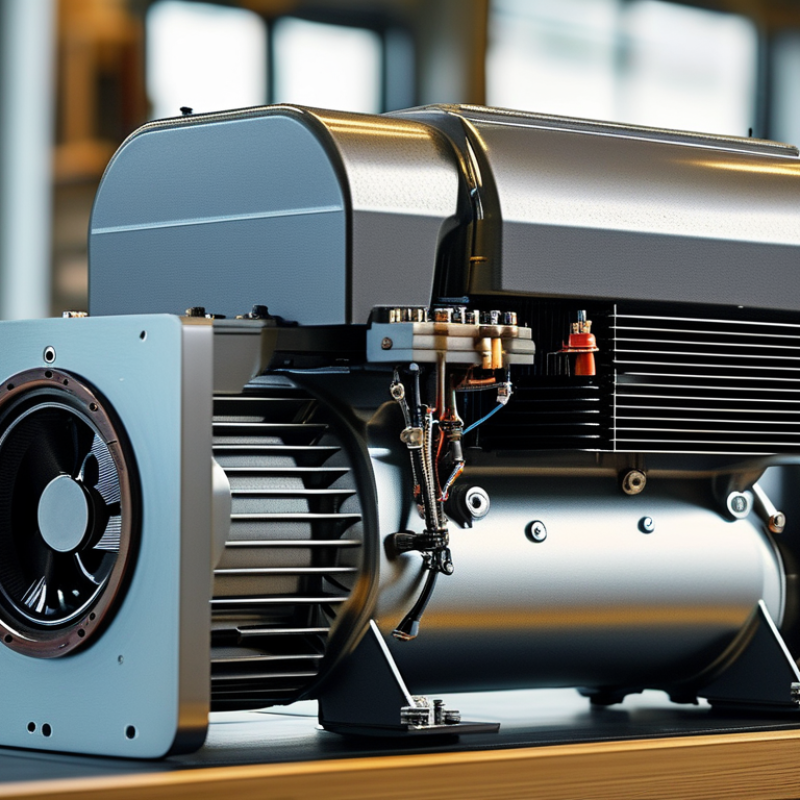
Maglev compressors stand out due to their unique design and operational efficiency. Unlike traditional compressors, which rely on mechanical components, maglev compressors use magnetic levitation technology. This eliminates friction, resulting in lower energy consumption and reduced wear over time. Businesses can achieve significant cost savings on energy bills. Moreover, they have a longer lifespan, which means fewer replacements and maintenance.
The quiet operation of maglev compressors also offers a substantial advantage. In settings like hospitals or offices, noise can be disruptive. Maglev units operate more quietly than their conventional counterparts. Reduced vibration enhances overall stability, making them ideal for sensitive environments. Companies can maintain productivity without constant noise interference.
However, transitioning to maglev technology may require an investment. Initial costs can seem high, and some may hesitate to change existing systems. Evaluating the long-term benefits against upfront expenses is crucial. Understanding that the reliability of maglev compressors leads to fewer disturbances is key. While the shift may seem daunting, the potential for improved energy efficiency and reduced operating costs is compelling.
How Maglev Technology Enhances Efficiency in Compressors
Maglev compressors utilize magnetic levitation to enhance efficiency. This technology eliminates mechanical contact, reducing friction and energy loss significantly. Reports from leading industrial research indicate that maglev compressors can achieve energy savings of up to 30% compared to conventional compressors. This efficiency not only lowers operational costs but also contributes to a reduced carbon footprint.
The precision of maglev technology allows for smoother operation. With fewer moving parts, maintenance requirements decrease, leading to longer lifespans and decreased downtime. Industry insights suggest that companies adopting maglev technology may experience a productivity boost, with reports indicating up to a 25% increase in operational efficiency. However, initial investment costs can be higher than traditional options. Businesses must weigh immediate costs against long-term savings.
Maglev compressors also provide quieter operation, which is essential in environments where noise control is critical. While some users have reported a learning curve in adapting to this new technology, the potential benefits are significant. It’s essential to approach this transition thoughtfully, considering both the financial and operational implications.
Why Choose a Maglev Compressor for Your Business Needs?
This chart illustrates the efficiency improvements provided by Maglev technology in compressors compared to traditional compressors across several key metrics.
Key Applications of Maglev Compressors in Various Industries
Maglev compressors offer innovative solutions across various industries. Their key applications include those in healthcare, food processing, and automotive manufacturing. In these sectors, minimizing vibrations and noise is essential. Maglev technology achieves this through magnetic levitation, leading to quieter and more efficient operations.
Healthcare facilities benefit from reduced noise levels in critical environments, ensuring patient comfort.
In the food processing industry, maintaining product integrity is crucial. Maglev compressors help by providing clean and reliable air, reducing the risk of contamination.
These compressors can operate in both high and low-temperature settings, which further enhances their versatility. They adapt to the strict hygiene standards required in food production.
The automotive sector also finds great value in maglev compressors. They support various manufacturing processes, from assembly lines to supply chain logistics. Their reliability leads to improved production efficiency. However, companies must consider the initial investment and maintenance aspects. Adopting such technology may require a shift in mindset, but the long-term benefits can be significant. Transitioning to maglev compressors may take time and investment, yet the potential rewards in efficiency and productivity are substantial.
Cost-Benefit Analysis of Implementing Maglev Compressors
Maglev compressors offer significant advantages for businesses. Their design minimizes friction, leading to reduced energy consumption. This can result in lower operating costs over time. Additionally, they often require less maintenance compared to traditional compressors. The initial investment might be higher, but the long-term savings can justify the expense.
When considering costs, businesses should assess potential energy savings. Implementing a maglev compressor can lead to up to 30% reduction in energy bills. This is vital for companies aiming to enhance profitability. Many organizations benefit from reduced downtime since these compressors are more reliable. However, it's essential to evaluate the specific needs of your operations.
For optimal performance, ensure proper installation and training. Seek out qualified professionals for setup and ongoing maintenance. This can mitigate long-term issues. Regularly review your energy consumption to track savings. Some companies find unexpected expenses in operational efficiency. Identifying these gaps early can help in refining your strategy for adopting new technology.
Future Trends: The Evolution of Maglev Compression Technology
Maglev compression technology is gaining traction in diverse industries. Its evolution is marked by improved efficiency and reduced maintenance costs. One of the most notable advancements is the ability to eliminate mechanical contact. This leads to lower wear and tear, increasing the lifespan of these compressors. Additionally, they operate more quietly, which is crucial for environments that require low noise levels.
Future trends indicate a rise in energy efficiency standards. Companies are increasingly looking for sustainable solutions. Maglev compressors are aligned with this shift. They use magnetic levitation to minimize energy loss, making them more environmentally friendly. However, the initial investment can be high, which raises concerns for some businesses. Balancing cost and sustainability remains a topic for reflection.
In industries like pharmaceuticals and food processing, the demand for precise and reliable operations is crucial. Maglev technology provides that precision. However, there is still a learning curve to adopt this technology fully. Training staff on new systems can take time. Companies must weigh the benefits against the challenges of implementation.