Global buyers are paying closer attention to valve reliability, lifecycle cost, and documented performance. The global industrial valves market reached approximately USD 78 billion in 2023, according to Grand View Research, with demand supported by water treatment, energy, chemical processing, and infrastructure investment. The report also identifies replacement projects as an important growth driver. That matters because a swing check valve often works quietly, hidden behind flanges, until reverse flow creates damage.
A 2024 MarketsandMarkets report also expects the industrial valves sector to expand steadily through the decade. However, market growth does not make selection easier. A 150 mm wafer valve may suit a compact pump discharge line, while a bolted-cover design may better serve high-pressure service. Hinge construction, disc weight, closing speed, pressure drop, seat material, and installation angle all influence the result. Small details matter.
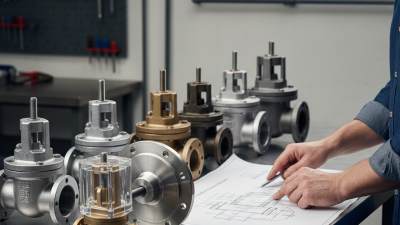
Valve engineering author Robert W. Miller once stated, “A check valve must be selected as part of the system, not as an isolated component.” That principle guides this Top 10 swing check valve comparison. The list examines wafer, flanged, tilting-disc, dual-plate, rubber-lined, silent, and specialty designs against practical buying conditions. API 6D, ASME B16.34, and MSS SP-61 provide useful reference points, but certificates alone cannot predict field performance. Real piping includes vibration, dirty fluid, water hammer, and imperfect maintenance. No ranking is perfect. Buyers should still verify flow data, materials, testing records, and supplier experience before approving a purchase.
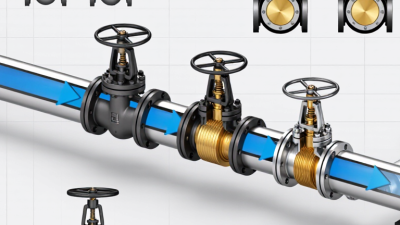
Swing check valves use pipeline flow to control the disc, without external power. Forward flow lifts the disc from its seat. Reverse flow pushes it closed. Gravity, backpressure, or a spring assists this movement.
Common designs include wafer, flanged, tilting-disc, and silent-assisted configurations. A wafer model saves space between flanges. A tilting-disc model can reduce travel and water hammer. However, no design fits every system. Oversized valves may operate slowly, while undersized valves can create excessive pressure loss. The U.S. Department of Energy’s Improving Pumping System Performance sourcebook reports that pumping systems may consume about 25% of industrial electricity. Poor valve selection can increase this burden through turbulence and repeated impact. For pressure class, face-to-face dimensions, and testing, buyers should review API 594, ASME B16.34, and ISO 5208 requirements. These references support more reliable specification decisions.
Tips: Confirm the minimum flow needed to keep the disc stable. Check installation direction and downstream clearance. Measure pressure drop under actual flow, not only catalog conditions. Ask for material certificates and test records. In cold or dirty service, inspect the hinge and seat area more frequently. Field conditions are often less clean than design drawings suggest. A small mistake here can become noise, vibration, or leakage.
Top 10 Swing Check Valve Types for Global Buyers
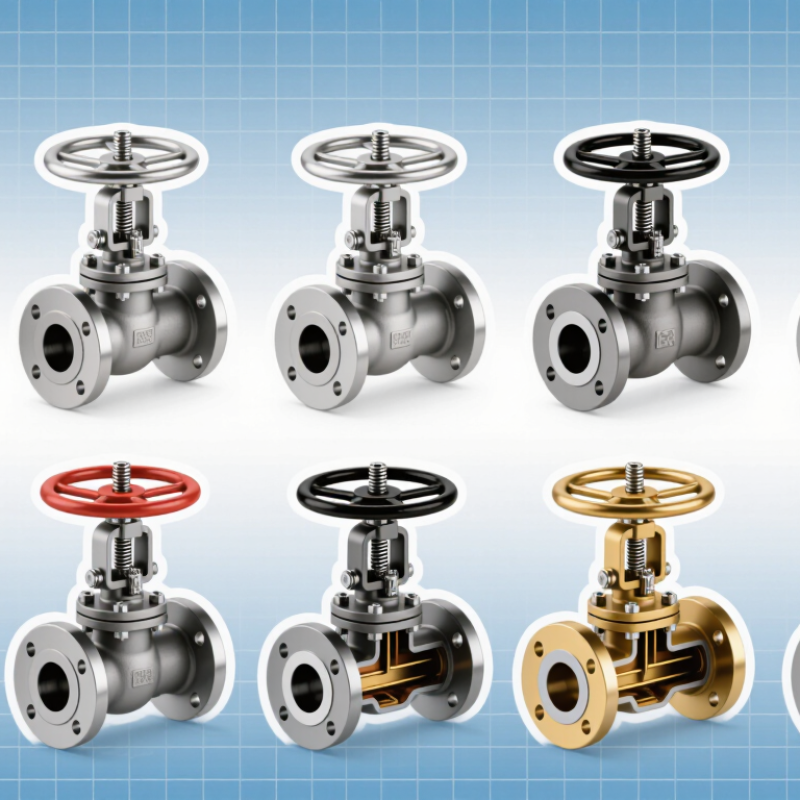
The ten main swing check valve types are best understood as overlapping designs, not ten separate machines. A conventional single-disc valve uses a hinged plate for general water and process service. A tilting-disc valve pivots near the disc center, reducing travel and potential water hammer. Wafer swing check valves fit between flanges and save installation space. Flanged versions provide stronger connections for larger pipelines. Threaded models suit smaller, lower-flow systems. Lug-style bodies help with limited pipe access. Rubber-seated valves improve bubble-tight shutoff, while metal-seated valves tolerate higher temperatures and abrasive media. Damped swing check valves add controlled closing. Pipeline swing check valves, often specified under API 6D practices, emphasize pressure integrity and inspection.
Selection should match velocity, pressure class, temperature, and reverse-flow risk. A 2024 Fortune Business Insights report valued the industrial valves market at about 78.56 billion dollars in 2023, showing the scale of global demand. However, broad market growth does not prove that every swing design fits every plant. That assumption can become expensive.
Field experience shows that oversized discs may slam during low-flow operation. Small bore lines may also suffer from unstable movement. The U.S. Department of Energy highlights pumping-system efficiency as a major industrial energy concern, so pressure loss deserves attention. Buyers should compare hinge materials, seat wear, installation direction, and maintenance access. Testing against applicable standards remains essential. In practice, the “best” type is sometimes the one with fewer moving surprises.
Representative comparison of the typical upper nominal diameter commonly offered for each swing check valve type.
Tilting-disc and damped swing check valves are commonly selected for larger pipelines, while screwed-end, vertical, and foot swing check valves are more often used in smaller systems. The size ranges shown are representative industry ranges rather than universal limits; the final selection also depends on pressure class, temperature, material, flow direction, and installation requirements.
Swing check valves differ in disc movement, connection style, sealing method, and pressure capability. Common choices include conventional flanged, wafer, lug, tilting-disc, single-disc, multi-disc, rubber-seated, metal-seated, silent-assisted, and high-pressure swing designs.
A conventional flanged valve suits larger pipelines and easier maintenance. Wafer models save space between flanges. Tilting-disc designs reduce slam and respond faster during flow changes.
Small details matter.
Materials should match the fluid, temperature, and installation environment. Cast iron works for moderate water service, while ductile iron offers improved toughness. Carbon steel handles demanding industrial duty. Stainless steel resists many corrosive fluids, but not every chemical. Seat materials also change performance. EPDM suits many water systems, NBR supports oil-related service, and PTFE performs well across broader temperature ranges. Metal seats tolerate heat, though leakage may be higher. Pressure ratings often range from low-pressure utility service to high-pressure process applications. Always verify the rating at the actual operating temperature, not room temperature. A rating chart can mislead when conditions change.
Tips: Check reverse-flow risk, valve orientation, face-to-face dimensions, and flange standards before ordering. Ask for pressure-test records and material certificates. Avoid selecting by size alone. The cheapest option may create water hammer, noise, or premature seat wear. Pressure class labels are useful, but they are not the whole decision. In practice, the perfect configuration is rare; a careful review of flow velocity and shutdown behavior is more reliable.
Top 10 Swing Check Valve Types for Global Buyers
Swing check valves differ sharply in application, response, and service effort. The ten common choices include conventional swing, wafer, flanged, lug-style, tilting-disc, non-slam, rubber-lined, resilient-seated, metal-seated, and dual-plate designs. Conventional and flanged models suit water, wastewater, and moderate-flow pipelines. Wafer and lug designs save installation space. Tilting-disc and dual-plate valves react faster, reducing reverse flow in pump discharge lines. Metal seats tolerate heat and abrasive media, while resilient seats usually seal better at lower pressures.
Performance depends on more than pressure class. Disc mass, hinge friction, pipe velocity, and closing speed control water hammer risk. A 2023 MarketsandMarkets report valued the global check valve market at about USD 4.5 billion and projected growth toward USD 6 billion by 2028. That expansion reflects wider use in energy, water, and process industries, but market growth does not guarantee correct selection. The U.S. Department of Energy notes that poor pump-system design can create substantial energy losses. A valve that closes too slowly may damage pumps; one that closes too quickly may create shock. Field experience shows that both errors occur.
Tips: Match the valve to flow direction, temperature, pressure, and installation angle. Inspect hinge pins, seats, and coating during planned shutdowns. Ask for test records aligned with ISO 5208. Do not trust catalogue flow data alone. Measure actual velocity when possible. My own preference is a replaceable seat for dirty water, although frequent solids can still defeat it. Maintenance intervals should remain provisional until operating data confirms wear patterns.
| No. | Swing Check Valve Type | Typical Applications | Recommended Installation | Flow Resistance | Closing and Slam Behavior | Typical Temperature Range* | Main Advantages | Maintenance Needs | Important Limitations |
|---|---|---|---|---|---|---|---|---|---|
| 1 | Conventional Bolted-Cover Swing Check | Water transmission, wastewater, general industrial piping, process utilities, and pump discharge lines. | Best in horizontal pipelines; some designs permit vertical upward flow. | Low to moderate when correctly sized; the disc remains in the flow path. | Moderate slam potential, especially with rapid flow reversal or excessive velocity. | Approximately −20°C to 200°C for common metallic configurations; material dependent. | Simple construction, broad size availability, easy inspection, and suitability for many pressure classes. | Inspect hinge, hinge pin, disc, seat, and cover gasket; clean deposits and verify free disc movement. | Requires adequate backpressure and stable flow; may be unsuitable where water hammer must be tightly controlled. |
| 2 | Wafer Swing Check | Compact water, HVAC, fire-protection, and general utility systems where face-to-face length must be minimized. | Usually installed between flanges in horizontal lines; confirm the manufacturer's permitted orientation. | Low to moderate; compact geometry reduces installation length but not necessarily pressure loss. | Moderate slam risk unless selected for the actual flow velocity and reversal conditions. | Approximately −20°C to 180°C for common metal-body designs; elastomer seats may reduce this range. | Lightweight, space-saving, and generally lower installation cost than long-pattern flanged valves. | Requires line isolation for inspection; check disc, hinge, seat, flange alignment, and gasket condition. | Flange alignment is critical; not ideal for highly dirty service if the disc cannot move freely. |
| 3 | Lug-Style Swing Check | Industrial water, chemical utilities, cooling circuits, and piping requiring sectional removal or end-of-line access. | Installed between flanges using independent bolting; orientation must follow the flow arrow. | Low to moderate, depending on disc profile and velocity. | Moderate; optional levers, weights, or dampers can help control closure on selected designs. | Approximately −20°C to 200°C with suitable metallic materials and seats. | Individual flange bolting can simplify maintenance and support installation in confined areas. | Inspect lug integrity, disc travel, hinge wear, seat damage, and bolting torque during shutdowns. | Higher installation sensitivity than long-pattern valves; verify flange and lug dimensions carefully. |
| 4 | Tilting-Disc Swing Check | Large-diameter pipelines, power-plant cooling water, hydrocarbons, and systems sensitive to pressure surge. | Normally horizontal; installation angle and flow direction should match the valve design. | Low at design flow because the disc rotates around an offset axis and opens efficiently. | Lower slam potential than a conventional swing design when correctly sized and dynamically selected. | Approximately −29°C to 200°C for common metallic versions; specialized materials can extend this range. | Good hydraulic performance, reduced pressure surge, and suitability for high-flow services. | Check bearings, shaft, disc, seat, damper, and external leakage; service access may be required. | More complex and typically more expensive than basic swing checks; sensitive to incorrect sizing. |
| 5 | Rubber-Seated Swing Check | Potable water, irrigation, wastewater, low-corrosive liquids, and applications requiring tight low-pressure closure. | Horizontal or vertical upward flow where permitted by the design. | Moderate; the resilient seat can increase friction and resistance compared with a bare metal seat. | Generally softer closing and good sealing, but closure speed still depends on flow reversal. | Approximately 0°C to 100°C for common elastomers; exact limits vary substantially by compound. | Good bubble-tight capability at relatively low differential pressure and tolerance for minor surface imperfections. | Inspect seat for swelling, hardening, cuts, compression set, and chemical attack; replace when degraded. | Not suitable for high temperatures, incompatible chemicals, abrasive solids, or severe hydrocarbon exposure unless specifically qualified. |
| 6 | Metal-Seated Swing Check | Steam, hot oil, high-temperature process fluids, hydrocarbons, and abrasive or chemically demanding services. | Usually horizontal; vertical upward installation is design dependent. | Low to moderate, with performance influenced by disc shape and seat finish. | Moderate to high slam potential in rapidly reversing systems unless damping or suitable sizing is used. | Approximately −29°C to 400°C for selected metallic materials; pressure-temperature rating is material specific. | High temperature capability, good resistance to many chemicals, and better durability under abrasive conditions. | Inspect for seat erosion, wire drawing, galling, hinge wear, and deposits; lapping or replacement may be required. | May not provide bubble-tight shutoff; requires accurate machining and can be vulnerable to impact damage. |
| 7 | Damped or Counterweight Swing Check | Large pump discharge lines, water transmission, desalination, power facilities, and surge-sensitive systems. | Usually horizontal; damping equipment and counterweight position require correct orientation. | Low to moderate, although external mechanisms add mechanical complexity. | Low to controlled slam potential when the damper is correctly adjusted and maintained. | Approximately −20°C to 200°C for common water-service configurations. | Allows controlled closure and can reduce water hammer in high-flow or high-inertia systems. | Inspect hydraulic dampers, linkages, bearings, counterweights, seals, and adjustment settings at planned intervals. | Higher purchase and maintenance cost; incorrect damper adjustment can cause slow closure or severe slam. |
| 8 | Vertical Swing Check | Vertical risers, compact pump systems, multilevel process plants, and piping layouts with limited horizontal space. | Vertical upward flow only unless the valve documentation specifically permits another arrangement. | Moderate; gravity assists closure but the disc remains in the flow path. | Usually reliable with upward flow; reverse-flow slam remains possible at high velocity. | Approximately −20°C to 200°C for common metallic configurations. | Uses vertical space efficiently and can work where a horizontal swing check cannot be installed. | Check for disc hanging, hinge contamination, scaling, and correct installation direction during shutdowns. | Unsuitable for downward flow; dirty fluids can prevent complete disc movement and tight closure. |
| 9 | Pressure-Assisted Resilient Swing Check | Municipal water, building services, fire-water systems, irrigation, and clean-liquid distribution. | Horizontal or vertical upward flow, subject to the valve's approved orientation. | Moderate; resilient components improve sealing but may increase hydraulic resistance. | Good low-pressure closure; slam performance depends on disc mass, spring or lever assistance, and velocity. | Approximately 0°C to 100°C for common water-service elastomers. | Reliable sealing at low differential pressure and reduced leakage in clean-water services. | Inspect resilient seating elements for aging, biological growth, deposits, and chemical incompatibility. | Elastomer life is limited by temperature, chlorine, ozone, chemicals, and abrasive particles. |
| 10 | Slurry-Service Swing Check | Mining slurry, mineral processing, ash handling, dredging, and selected abrasive wastewater services. | Usually horizontal or vertical upward flow, depending on solids concentration and valve geometry. | Moderate to high because solids increase turbulence, friction, and deposition risk. | Moderate; heavy discs and solids buildup can slow closure and increase impact loads. | Approximately 0°C to 120°C for common abrasion-resistant lined or metallic configurations. | Can handle selected solids-bearing fluids when body, disc, hinge, and seat materials are properly engineered. | Frequent inspection may be necessary for erosion, liner wear, hinge plugging, seat damage, and solids accumulation. | Not suitable for every slurry; particle size, concentration, settling velocity, and flow speed must be evaluated before selection. |

Global buyers comparing the top ten swing check valve types need more than a catalog description. Selection should match pipeline duty, installation position, and local compliance requirements. Common options include conventional swing, wafer, lug, tilting-disc, damped, rubber-seated, and metal-seated designs. Each behaves differently during flow reversal.
International standards provide a reliable comparison point. API 6D is widely used for pipeline valve requirements. ASME B16.34 covers pressure-temperature ratings, materials, and testing. ASME B16.5 helps confirm flange dimensions and pressure classes. EN 12334 addresses general industrial check valve requirements. ISO 5208 supports leakage testing. These standards are not interchangeable. Always verify the latest edition and the destination market’s conformity rules. Request material certificates, pressure-test records, and a clear marking schedule. Do not rely on a single certificate.
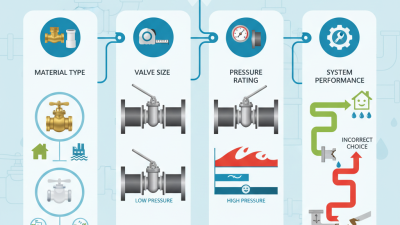
Start with the fluid, temperature, pressure, and expected flow velocity. A metal seat may suit high-temperature service, while a resilient seat can improve low-pressure sealing. Dirty fluids need careful hinge and disc clearance review. Vertical installation can exclude some conventional designs. Water hammer is another concern. A damped or tilting-disc valve may reduce disc impact, but its performance depends on sizing. Check face-to-face length, flange drilling, maintenance access, and spare-part availability. I have seen technically correct valves fail because the installed flow direction was overlooked. A perfect checklist does not exist. Supplier drawings still deserve a careful second look.

Sign up for our mailing list to stay informed and up to date with our latest news and products!
(905) 832 – 0600
2175-A Teston Road
Maple, Ontario
L6A 1T3
(780) 451 – 0238
24790 – 117 Avenue
Acheson, Alberta
T7X 6C2
(604) 882 – 1564
9511 – 194A Street
Surrey, British Columbia
V4N 4G4
(306) 955 – 6005
3926 Arthur Rose Avenue Saskatoon, Saskatchewan
S7P 0C9
(450) 687 – 2721
2750 Rue Bernard-Lefebvre
Laval, Quebec
H7C 0A5