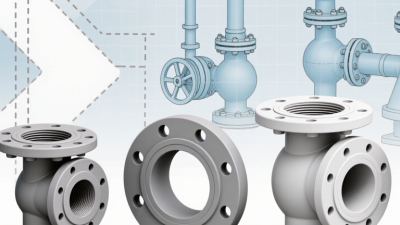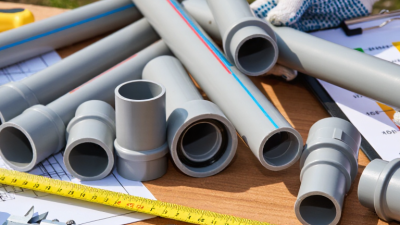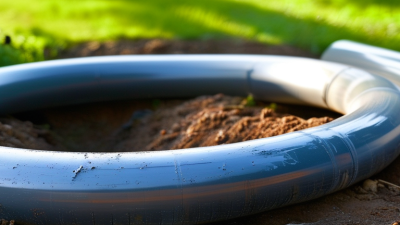
Choosing the right PVC flange supplier in China takes more than comparing prices. A polished catalog may show a wide product range, but it cannot confirm how consistently each fitting is made. A pvc flange must match the pipe material, diameter, pressure rating, and service conditions of your project. Small details matter. A slight mismatch in drilling or wall thickness can complicate installation and cause delays.
A reliable evaluation starts with clear specifications and practical questions. Ask whether the supplier can provide dimensional drawings, material information, inspection records, and samples from the intended production line. Check how the factory controls raw materials, molding, finishing, and final inspection. Photos can help, but dated inspection reports and direct answers offer stronger evidence. When possible, compare a sample with your own measurements rather than relying on a product image. Still, even a thorough review cannot remove every risk. That deserves attention.
Communication is another useful indicator. Confirm production lead times, packaging details, export experience, and how the supplier handles defects or specification changes. Request quotations that separate product costs from tooling, testing, and shipping charges. A low price may be reasonable, but unclear terms deserve a closer look. This guide explains how to compare suppliers with care, verify claims, and choose a partner suited to your project—not just the first offer that arrives.
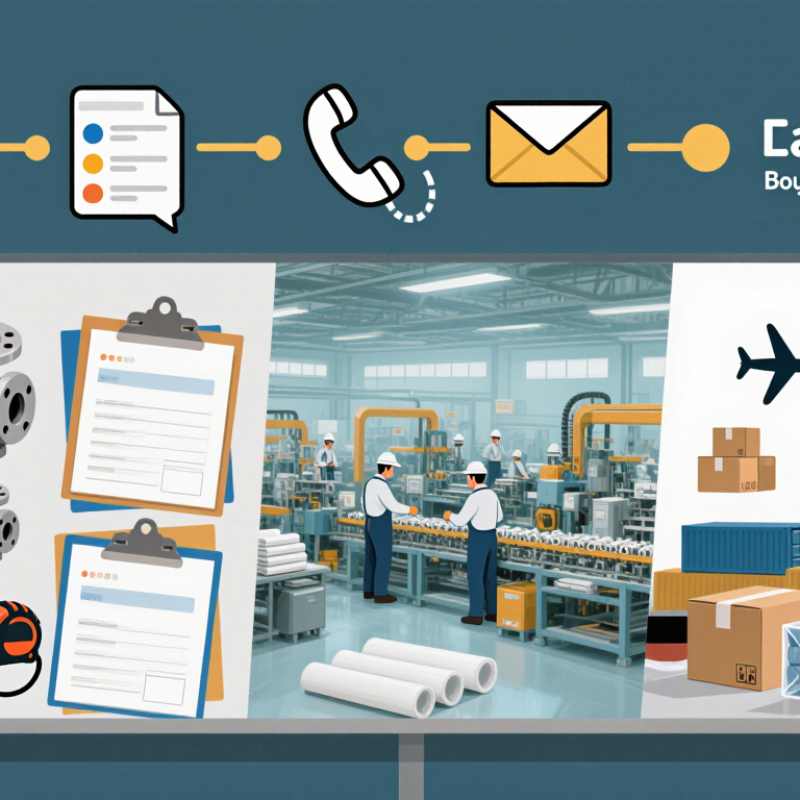
Before comparing PVC flange suppliers in China, define the service conditions. What fluid will pass through the line, and at what temperature and pressure? PVC can suit many water and chemical systems, but compatibility depends on the exact fluid and operating conditions. Pressure ratings may also change as temperature rises. Check the manufacturer’s technical data rather than relying on a general product description.
Confirm the pipe’s outside diameter, flange drilling pattern, facing, and connection type. A flange that looks right can still fail to align with existing bolts or a gasket. Details matter. For outdoor use, ask whether UV exposure affects the material’s expected service life. For frequent maintenance, consider how easily the joint can be inspected and replaced. A small oversight here can mean rework later.
Share these requirements with potential suppliers and request dimensioned drawings, pressure ratings, material specifications, and inspection records for the relevant production batch. Ask how they verify dimensions and test finished products. Do not assume every PVC flange meets the same standard; confirm the standard and edition your project requires. It is also worth checking whether the supplier can provide consistent documentation, not just a sample that fits. Some specifications may remain unclear until installation, so resolve uncertainties before ordering.
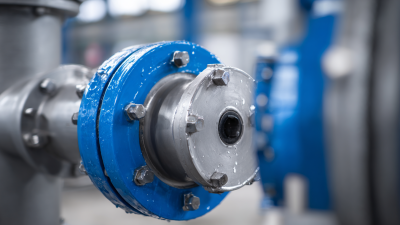
PN10 and PN16 indicate nominal pressure ratings of 10 bar and 16 bar, respectively. When selecting a flange, confirm the applicable standard and check the manufacturer’s pressure–temperature ratings against your operating conditions.
When comparing PVC flange suppliers in China, ask what resin grade is used and whether it suits your fluid, temperature, and pressure conditions. Request a batch certificate or test report, then compare its details with the quotation. A smooth surface is useful to inspect, but it cannot prove the material is correct.
Small details matter. Check the outside diameter, bore, flange thickness, bolt-hole count, and bolt-circle diameter against your mating pipe or valve. Ask for a dimensioned drawing, not just a product photo. A few millimeters of mismatch can make installation difficult. I would not rely on a sample alone; production batches may vary, and that is easy to overlook.
Ask the supplier to name the dimensional and product standards applied, including the relevant edition, and verify that they fit your project specification. Confirm pressure ratings and temperature limits in writing, since PVC performance changes with operating conditions. Request inspection records for the actual order, such as measurements and visual checks. If a supplier gives only a broad claim like “standard size,” ask for exact figures. It may feel fussy, but vague answers are not a sound basis for procurement.
A supplier’s stated output is only a starting point. Ask how many PVC flanges it can produce each month, and whether that figure reflects normal orders or peak capacity. Request a recent production schedule, not just a large number in a brochure. Check the machines, mold range, and inspection steps used for your required sizes. Can the factory handle a repeat order without changing materials or dimensions? Capacity is not the whole story. A busy plant may still miss delivery dates.
Review certificates carefully. Confirm that each document is current and covers the actual factory, product, and material you plan to buy. Ask for test records linked to a production batch, such as dimensional checks and pressure-test results where relevant. A certificate alone does not prove consistent quality. I would not treat it as a substitute for reviewing samples or inspection reports. One detail is easy to miss: the document may apply to a different product range. Ask the supplier to explain any gaps plainly. Their response can reveal as much as the paperwork.
A PVC flange supplier should be compared on more than the unit price. Request an itemized quotation showing material grade, dimensions, pressure rating, quantity, and packaging. Then compare identical specifications. A cheaper flange may use a different resin grade or omit inspection costs. Not always a bargain. Ask whether quoted tolerances match your drawing, and request a sample inspection report when available.
Lead times need clear dates, not vague promises. Confirm how many days are needed for production, inspection, and packing. Ask whether the quoted schedule depends on raw material availability. A written production plan is useful, especially for repeat orders. Allow time for unexpected delays; real schedules can slip. I would check this twice.
Shipping costs depend on carton size, gross weight, destination, and delivery terms. Ask how flanges will be packed to prevent scratches or distortion during transit. Confirm who arranges freight, provides tracking, and prepares shipping documents. Communication matters throughout. Send one drawing and a short list of questions, then note how clearly the supplier responds. If an answer about dimensions or delivery changes between emails, ask for written confirmation before approving the order. That small pause can prevent a costly mismatch.
Choosing a PVC flange supplier in China requires more than comparing quotations. Request physical samples from the production range you plan to order. Check the outside diameter, bolt-hole spacing, face finish, and wall thickness against your drawing. A caliper and a simple fit check can reveal mismatches before shipment. Ask for the material specification and any relevant inspection records, too.
Treat a sample as evidence, not a guarantee. The production batch may differ, especially if materials or tooling change. Ask how the supplier controls those changes and whether batch identification is available. Request references from buyers handling similar pipe sizes or operating conditions. Contact them directly and ask about dimensional consistency, packaging, delivery updates, and how defects were handled. Specific answers matter more than polished testimonials.
Put the agreed details into the purchase order: drawing revision, tolerances, quantity, lead time, inspection method, packing, and remedies for nonconforming goods. Clarify when the lead-time clock starts and who approves substitutions. Keep important decisions in writing. No checklist catches everything. This process takes time, and it can feel overly cautious, but skipping a clear term may cost more later. A modest trial order can help assess consistency before committing to larger volumes.
| Evaluation Area | What to Request or Check | Acceptance Criteria | Warning Signs | Record Before Ordering |
|---|---|---|---|---|
| Product specification | Confirm PVC-U or another specified PVC material, nominal size, pressure class, flange drilling, facing, dimensions, and intended service conditions. | The supplier’s drawing and datasheet match the pipe system, mating flange, applicable standard, and project specification. Do not assume flange drilling is interchangeable between standards. | Quotation gives only a size name, with no pressure class, drawing, material grade, or drilling details. | Approved drawing, datasheet, material designation, standard, and revision number. |
| Sample verification | Request a production-representative sample and inspect its markings, dimensions, hole pattern, bore, sealing face, finish, and visible defects. | Measured dimensions and workmanship meet the approved drawing and tolerances. Test assembly with the intended gasket, fasteners, and mating component where practical. | Sample is described as “similar” but differs from the quoted production design, or the supplier will not identify its material and specifications. | Sample identification, inspection results, photographs, and written approval or corrective actions. |
| Material and pressure evidence | Ask for material documentation, applicable product or system test records, and pressure-rating information, including any temperature-related limitations. | Documents are traceable to the quoted product or material batch and align with the applicable standard and service requirements. Confirm that pressure ratings are valid for the operating temperature. | Generic certificates cannot be linked to the product, or a pressure rating is stated without its test basis or conditions. | Document titles, issuing laboratory or organization, report dates, scope, and batch or product references. |
| Quality control | Review the inspection plan for incoming material, in-process checks, final dimensional inspection, marking, and nonconforming-product handling. | The supplier can explain how inspection results are recorded and how product lots are identified and traced. | Inspection is limited to an undocumented visual check, or production lots cannot be distinguished. | Inspection checklist, sample inspection report, lot-identification method, and corrective-action process. |
| Customer references | Request permission-based references from customers who purchased comparable PVC flanges or related piping components. Ask about product consistency, delivery, and issue resolution. | Reference details can be checked independently, and the product type, order context, and timeframe are relevant to your purchase. | Only unverifiable testimonials are provided, or references concern unrelated products and services. | Reference contact details, verification date, product relevance, and notes from the discussion. |
| Commercial order terms | Review the pro forma invoice and contract for specification, quantity, unit price, payment milestones, lead time, packaging, delivery terms, and cancellation or change conditions. | All terms are written clearly, consistent across documents, and agreed before payment. Define what happens if inspection results or delivery dates are not met. | Key terms are left to verbal agreement, specifications differ between the quotation and invoice, or payment is requested before essential details are confirmed. | Signed or formally accepted quotation, final specification, delivery schedule, payment terms, and change-control record. |
| Pre-shipment inspection | Agree whether the buyer or an independent inspector may check the finished order before dispatch, and define the inspection scope and sampling method. | Inspection access, timing, acceptance criteria, and responsibility for any rework are documented before production. | Inspection is refused after being offered in the quotation, or acceptance criteria are introduced only after production. | Inspection plan, approved sampling criteria, inspection report, and release-to-ship approval. |
| Packaging and shipment | Specify protection against impact, contamination, moisture, and deformation during handling and transport. Confirm carton or pallet labels and shipping documents. | Packaging suits the transport route and keeps parts identifiable; packing list, quantities, and product descriptions match the order. | Packaging details are unspecified, or shipping documents use descriptions that do not match the agreed products. | Packaging specification, packing list, shipment schedule, and agreed delivery term and named place. |
| After-sales support | Confirm the process for reporting shortages, damage, dimensional nonconformities, or other product issues, including response times and evidence required. | Responsibilities and remedies are stated in writing and consistent with the purchase agreement. | There is no documented claims process or responsibility for defects is unclear. | Warranty or claims terms, contact channel, reporting window, and agreed remedies. |
Before payment: Approve the final drawing and sample, verify references, and make sure specifications, inspection requirements, and order terms are consistent across the quotation, purchase order, and invoice. Standards and pressure ratings should be selected for the actual piping system and service conditions.

Sign up for our mailing list to stay informed and up to date with our latest news and products!
(905) 832 – 0600
2175-A Teston Road
Maple, Ontario
L6A 1T3
(780) 451 – 0238
24790 – 117 Avenue
Acheson, Alberta
T7X 6C2
(604) 882 – 1564
9511 – 194A Street
Surrey, British Columbia
V4N 4G4
(306) 955 – 6005
3926 Arthur Rose Avenue Saskatoon, Saskatchewan
S7P 0C9
(450) 687 – 2721
2750 Rue Bernard-Lefebvre
Laval, Quebec
H7C 0A5