How to Choose the Right UPVC Pipe for Your Needs?
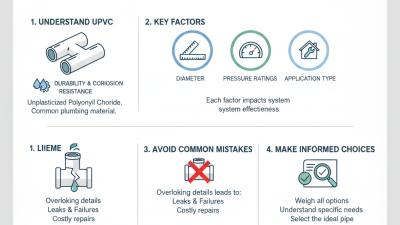
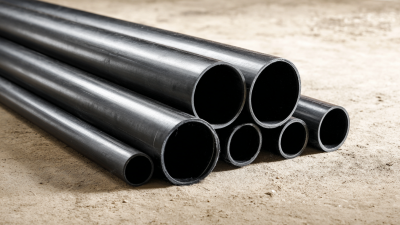
Choosing the right upvc pipe is not simply a matter of selecting the largest diameter or the lowest price. The correct choice depends on water pressure, temperature, soil conditions, installation depth, chemical exposure, and expected service life. A pipe designed for household drainage may fail when used in a pressurized irrigation system. The difference can look small on a product label, but it matters underground.
Dr. T. J. McGrath, a recognized PVC piping engineer, offers a practical reminder: “The performance of a PVC pipe system depends on the pipe, the joints, the installation, and the surrounding soil.” This principle keeps the decision realistic. A strong upvc pipe can still perform poorly when bedding is uneven, joints are contaminated, or backfilling is rushed. Check the pressure class, SDR value, wall thickness, temperature rating, and applicable certification before purchasing. Also confirm that fittings and valves match the pipe system. Compatibility is easy to overlook.
Measure the actual route.
Do not guess.
For drainage, gravity flow and slope often matter more than pressure rating. For potable water, verified material standards and clean internal surfaces deserve closer attention. For outdoor applications, ultraviolet exposure and thermal movement may influence the selection. I have seen projects focus heavily on pipe cost while ignoring transport, cutting, jointing, and testing. That approach looks efficient, but it can become expensive later. A useful choice balances technical requirements, local standards, installer skill, and long-term maintenance. The simplest option is not always the safest one.
Define the Application: Potable Water, Drainage, Irrigation, or Chemical Service
How to Choose the Right UPVC Pipe for Your Needs?
Define the application before comparing pipe sizes or prices. For potable water, choose uPVC pipe certified for drinking-water contact and matched to the system’s pressure rating. The WHO and UNICEF Joint Monitoring Programme reported that 2.2 billion people lacked safely managed drinking water in 2022. Material safety is not a minor detail. Check local approval marks, joint performance, and the expected water temperature. A pipe suitable for cold water may perform poorly in hotter service.
Drainage systems usually depend on gravity, smooth internal surfaces, and correct slope. Confirm the pipe’s stiffness, diameter, and resistance to household chemicals.
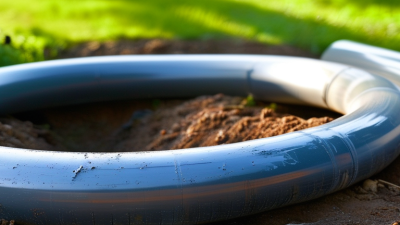
Irrigation demands another decision. FAO reports that agriculture accounts for about 70% of global freshwater withdrawals. For buried irrigation lines, consider soil loading, sunlight exposure, pump pressure, and seasonal movement. A pipe may be strong enough in a warehouse but fail after poor trench support. That part is often underestimated.
Tips: Write the fluid, temperature, pressure, burial depth, and installation location on one sheet. For chemical service, verify compatibility by concentration and temperature, not by chemical name alone. Ask for test data and installation guidance. Do not guess. One uncomfortable detail remains: even a correctly selected pipe can leak when joints are rushed, surfaces are dirty, or thermal movement is ignored. Fit follows function, but workmanship still decides the result.
Match Pressure Needs to PN6, PN10, PN16, and SDR Classifications
Choosing the right UPVC pipe starts with pressure, not appearance. PN6, PN10, and PN16 indicate nominal pressure ratings at approximately 20°C. A PN10 pipe can handle about 10 bar under reference conditions. Real systems face temperature changes, water hammer, and aging. Leave a practical safety margin. Do not select a pipe by pressure rating alone.
SDR adds another useful measurement. It compares the pipe’s outside diameter with its wall thickness. A lower SDR usually means a thicker wall and greater pressure resistance. For example, SDR 17 is generally stronger than SDR 26. However, SDR values and PN ratings should match the same standard. Check the manufacturer’s technical table and local installation requirements.
On site, measure the pump pressure during starting and stopping. Static pressure can look safe while pressure spikes damage fittings. For buried lines, consider soil movement, traffic loads, and uneven bedding. For warm fluids, reduce the allowable working pressure. I still double-check this point, because temperature corrections are easy to overlook. PN16 may sound safest, but it can be unnecessary if fittings, valves, or joints have lower ratings. Choose a compatible system, not just a stronger pipe.
How to Choose the Right UPVC Pipe for Your Needs? - Match Pressure Needs to PN6, PN10, PN16, and SDR Classifications
Verify Material Quality Through ISO 1452 and ASTM D1784 Standards
How to Choose the Right UPVC Pipe for Your Needs?
Verify Material Quality Through ISO 1452 and ASTM D1784 Standards
Choosing a UPVC pipe should begin with material evidence, not appearance. A bright, smooth surface can still hide poor formulation or inconsistent processing. ISO 1452 applies to PVC-U piping systems for water supply and pressure applications. Check whether the pipe marking identifies the relevant standard, pressure class, size, and production batch.
ASTM D1784 focuses on rigid PVC and CPVC compound classification. Its cell classification describes properties such as impact strength, tensile strength, and heat resistance. Ask the supplier for the compound classification and recent test reports. Confirm that the reported formulation matches the pipe’s intended service conditions. Documentation matters.
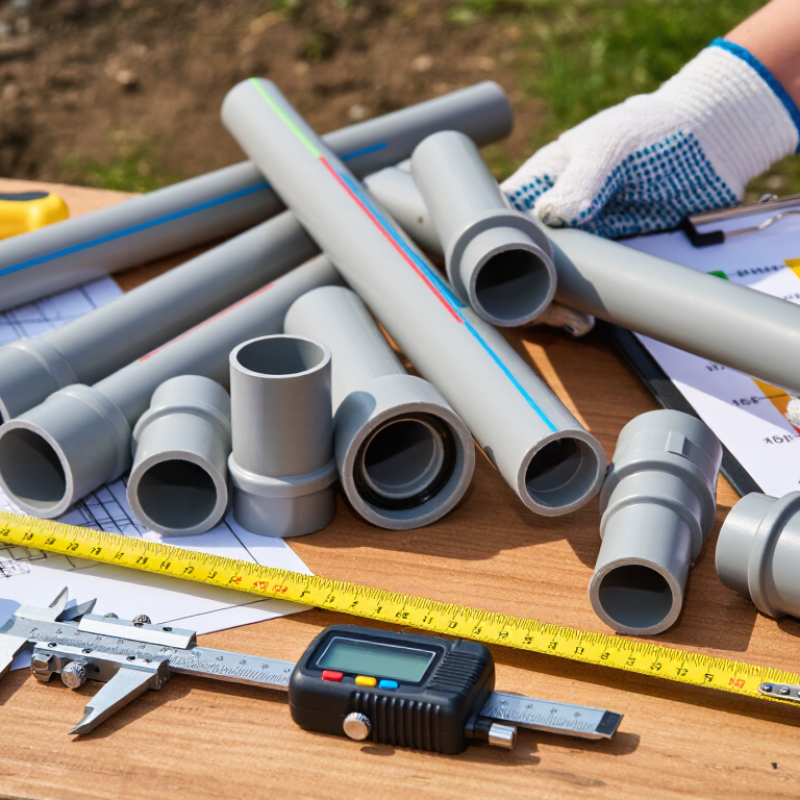
Look for traceable batch numbers. Inspect cut ends for uniform walls, clean edges, and no visible voids. A qualified inspector should also verify dimensions with calibrated tools. Do not rely on a certificate alone. ISO 1452 and ASTM D1784 support verification, but they do not remove the need for installation checks and pressure testing.
A common mistake is assuming one standard proves everything. It does not. ISO 1452 helps assess the pipe system, while ASTM D1784 helps assess the rigid plastic compound. Their roles overlap, but they are not interchangeable. Temperature, pressure, water chemistry, and burial conditions still influence the final choice. My earlier shortcut would have been trusting labels without checking batch records. That approach needs correction.